What is recorded here
Two tall crosses still stand beside the new church, marking a holy place that predates the written record and the Norman arrival. The old building vanished, but its font survives in the porch and its graveyard remains active at the eastern edge of Ballymore Eustace. What was lost is not forgotten; it is embedded in the ground, waiting to be read through stone rather than memory.
In a graveyard (KD029-011004-) at the E edge of Ballymore Eustace, a historic town (KD029-011001-). According to Bradley et al. (1986, vol. 1, 77-8), the first reference to a church occurs in 1192, although the presence two high crosses (KD029-011006- and KD029-011007-) and a cross slab (KD029-011009-) in the graveyard indicates the existence of a significant pre-Norman church site. The church was a prebend of St. Patrick’s cathedral in Dublin from before 1227 when it was valued at 20 marks. It is referred to as the ‘church of Blessed Mary of Ballymore’ in a document of 1529-34. The church was described as in good repair in the Royal Visitation of 1615, but had deteriorated by the time of Archbishops Bulkley’s Visitation in 1630. Few physical remains survive: fragments of two walls are visible to the E (L 1.8m; H 3m; T 1.05m) containing a splayed ope, and S (L 2m; H c. 1m; T 1.05m) of the present, 19th-century church. A font (KD029-011010-) in the porch of the 19th-century church presumably came from the medieval church, while a second font (KD029-011013-) in the graveyard is said to have come from Coghlanstown church (KD029-005001-).
Compiled by: Gearóid Conroy
Date of upload: 30 August 2013
The monument record does not grant public access. Check the route and ask the landowner before entering private land.
- What survives
- Recorded monument
Places near here
 Saint John's Church (Ballymore Eustace)church/chapel · 24 yd
 Font in Ballymore Eustace East (ballymore Eustace Ed)Font · 34 yd
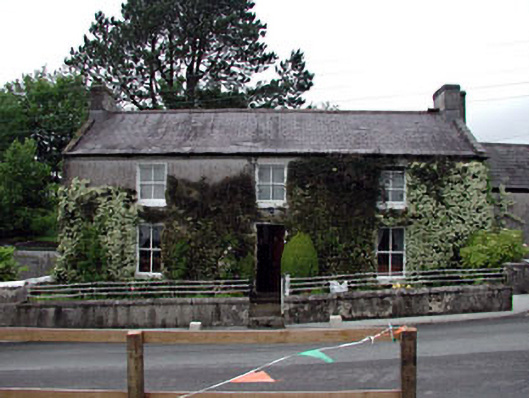 Ivy Househouse · 237 yd
 Enclosure in Ballymore Eustace WestEnclosure · 1338 yd
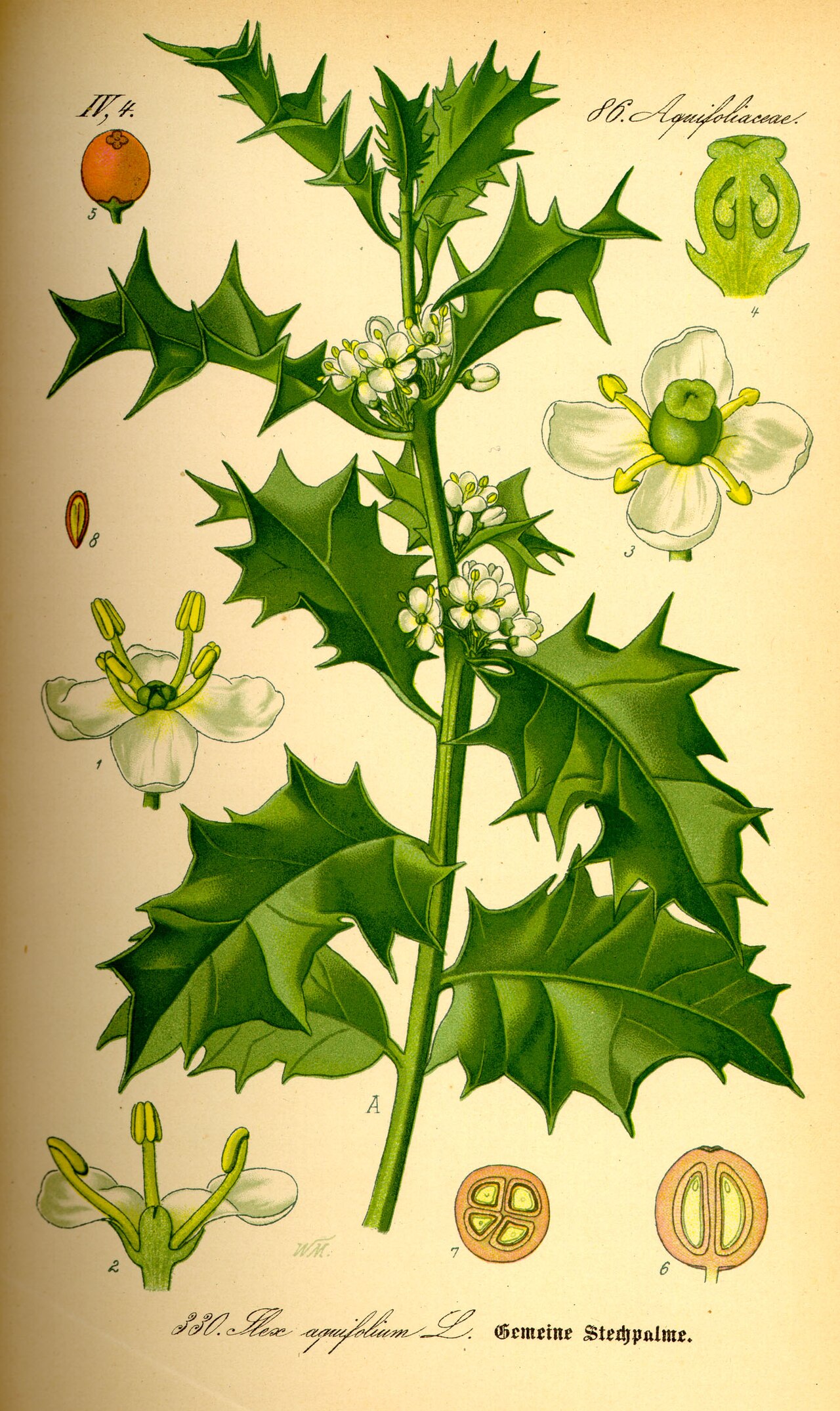 English hollyEnglish holly · 1.4 mi
 National Bird of Prey CentreHeritage attraction · 1.6 mi
 Artisans WorkshopsHeritage attraction · 1.6 mi
 The MoatCastle, motte and bailey · 2.1 mi
 Castle in ruinsCastle, unclassified · 2.5 mi
 Sillagh Bog WoodForest · 2.5 mi
 Saint Kevin's CaveMemorial · 3.0 mi
 Councillor Jim MileyMemorial · 3.8 mi