What is recorded here
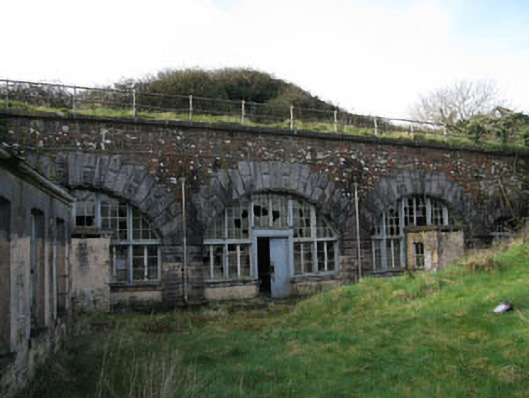
Underground U-plan four-bay single-storey soldiers' quarters and store, built c.1800, later in use as prison. Lean-to extension to side (east), and porches to east and west bays of front (north). Now disused. Earth covered roof with metal railings and limestone block eaves course. Cast-iron rainwater goods. Dressed sandstone walls. Segmental-headed arcaded openings with margined rusticated limestone piers, voussoirs, and keystones. Timber framed multiple-pane windows with red brick stall risers and limestone sills. Square-headed door opening to centre with replacement timber battened door. Red brick porches having flat roof with cornice and corbels. Square-headed window openings with concrete sills, having two-over-two pane timber sliding sash windows. Square-headed door openings to porches having battened timber doors. Single pitched slate roof to lean-to extension, having red brick chimneystack and limestone copings. Snecked sandstone walls. Camber-headed window openings with tooled limestone surrounds, sills, voussoirs and keystones having six-over-six pane timber sliding sash windows. Camber-headed door opening with square-headed timber panelled door with overlight and blind sidelights. Granite steps to side (east) and underground entrance way to north of steps with round-headed door opening having cast-iron gate. Various related structures to site.
One of the original buildings within Fort Meagher (formerly Camden Fort), its construction is similar to the main barracks located on the opposite side of the grounds. A high level of workmanship and quality materials went into its construction. The large rusticated arches forming the bays are especially interesting. Used as a convict prison from 1850-65, Camden Fort subsequently returned to military use, and together with its twin, Carlisle Fort, on the opposite side of the harbour, was redeveloped using convict labour from the adjacent Spike Island. Together with other military buildings in the harbour area, it remained in British use until 1938, at which time the Treaty Ports were transferred to the Irish State.
This does not grant access. Most recorded buildings are privately owned; view them only from public ground unless the owner allows entry.
Places near here
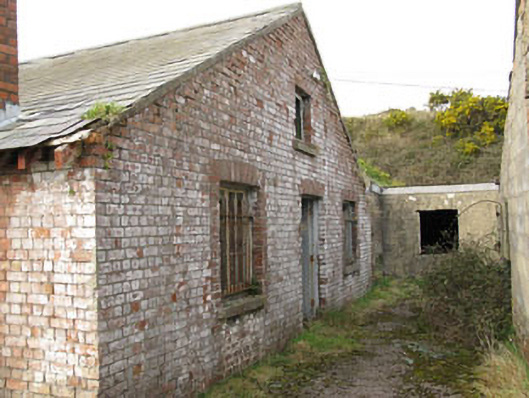 Camden Fort Meagherworkshop · 127 yd
 Camden FortFortification · 152 yd
 Historic Fort Camden Camp FieldRuins · 170 yd
 Castle (Site of)Castle, unclassified · 1093 yd
 Carlisle FortFortification · 1465 yd
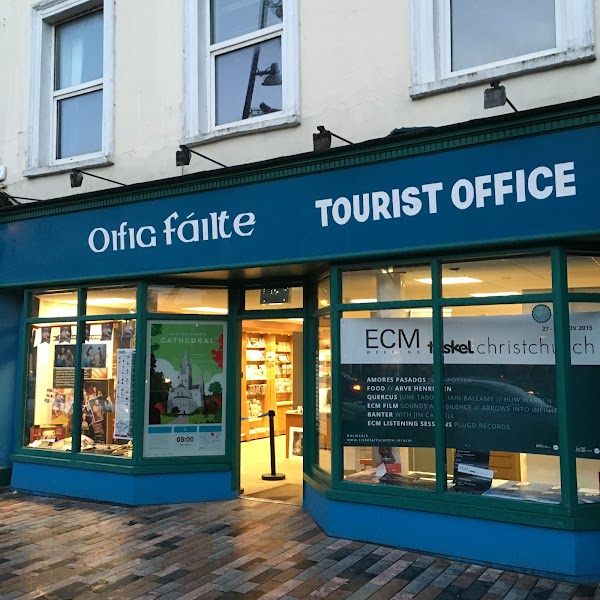 Crosshaven Tourist OfficeVisitor information · 1476 yd
 Church Bay BeachBeach / strand · 1594 yd
 The Giant's GraveMonument · 1626 yd
 Curraghbinny WoodsForest · 1658 yd
 William Warren Baldwin plaqueMemorial · 1.1 mi
 Roches PointHeadland · 1.4 mi
 Fennells Bay beachBeach / strand · 1.6 mi
Other information
Photo: National Inventory of Architectural Heritage · Website use allowed for educational or private purposes with source credit