What is recorded here
Cairn is a Bronze Age burial monument in County Louth where thirteen graves and two boulder burials formed concentric circles around a central pit. The eastern boulder burial carried a granite packing stone with a flat axe motif, while another stone displayed a seal-like animal and cup marks. People may have placed cremated ancestors, pottery vessels and copper objects along lines drawn from the centre, turning death into a map of memory.
Excavated as part of the Dundalk Western by-pass project (Excavation Licence No. 03E0873). Described as 'a cist-cairn type monument centred on a burial pit and two low kerb walls up to 5m long. Adjacent to the central pit was a possible stake-built structure and a pit. There was also a large possible quarry pit. Focused on the main burial were two concentric circles of thirteen associated burials/graves plus two 'boulder burials'. The inner cist 'circle' was approximately 16-20m in diameter, with at least ten stone-lined cist depositions, plus one boulder burial. The outer circle consisted of placed pottery vessels in unlined pits. Three placements were recovered, each one 'paired' with an 'inner ring' cist on an alignment originating from the central burial. A 'boulder burial' was placed on/near the outer ring. The outer ring defining the cist-cairn monument had a diameter of c. 42m.
The two boulder burials were 19m apart and aligned exactly east-west (the larger to the east). The eastern (outer ring) 'boulder burial' had a granite packing stone with a flat axe motif carved into it.
Finds consisted of loose cremated bone from eight burials (at least one cist contained multiple burials), nine complete pottery vessels, one broken but mostly complete encrusted urn, an animal shaped like a seal carved into a granite stone 1.5m long, a large stone with notch/cup marks in it, a smaller stone with deep 'cup' cuts in it, a hone stone, a 'sword pommel'-shaped copper alloy piece, encircled with stitching holes, filled with an iron-like substance, a copper alloy pin with a twisted faience coating and twelve pieces of struck or worked flint. A probably associated cremation/pyre pit produced one copper alloy object.'
Situated c. 50m to the N of three barrows (LH004-134002-, LH004-134003- and LH004-134004-). (Bayley 2006, 340-1; Bayley 2005, 10)
References:
Bayley, D. 2005 M1 Dundalk Western by-pass site 127: Carn More 5 chainage 24.810-25.100 NGR: 304912 / 310860, Post-excavation assessment and project design on behalf of Louth County Council and the National Roads Authority Licence. Unpublished Report, DAHG 03E0873, Irish Archaeological Consultancy.
Bayley, D. 2006 Site 127, Carn More 5, Faughart Bronze Age cemetery. In I. Bennett (ed.), Excavations 2003: summary accounts of archaeological excavations in Ireland, 340-1 (No. 1275). Bray. Wordwell
Compiled by: Claire Breen
Date of upload: 18 November 2011
Cist-cairn, dating to the Neolithic or early Bronze Age. It represents a small funerary monument associated with early burial practices in the region.
The monument record does not grant public access. Check the route and ask the landowner before entering private land.
- What survives
- Recorded monument
Places near here
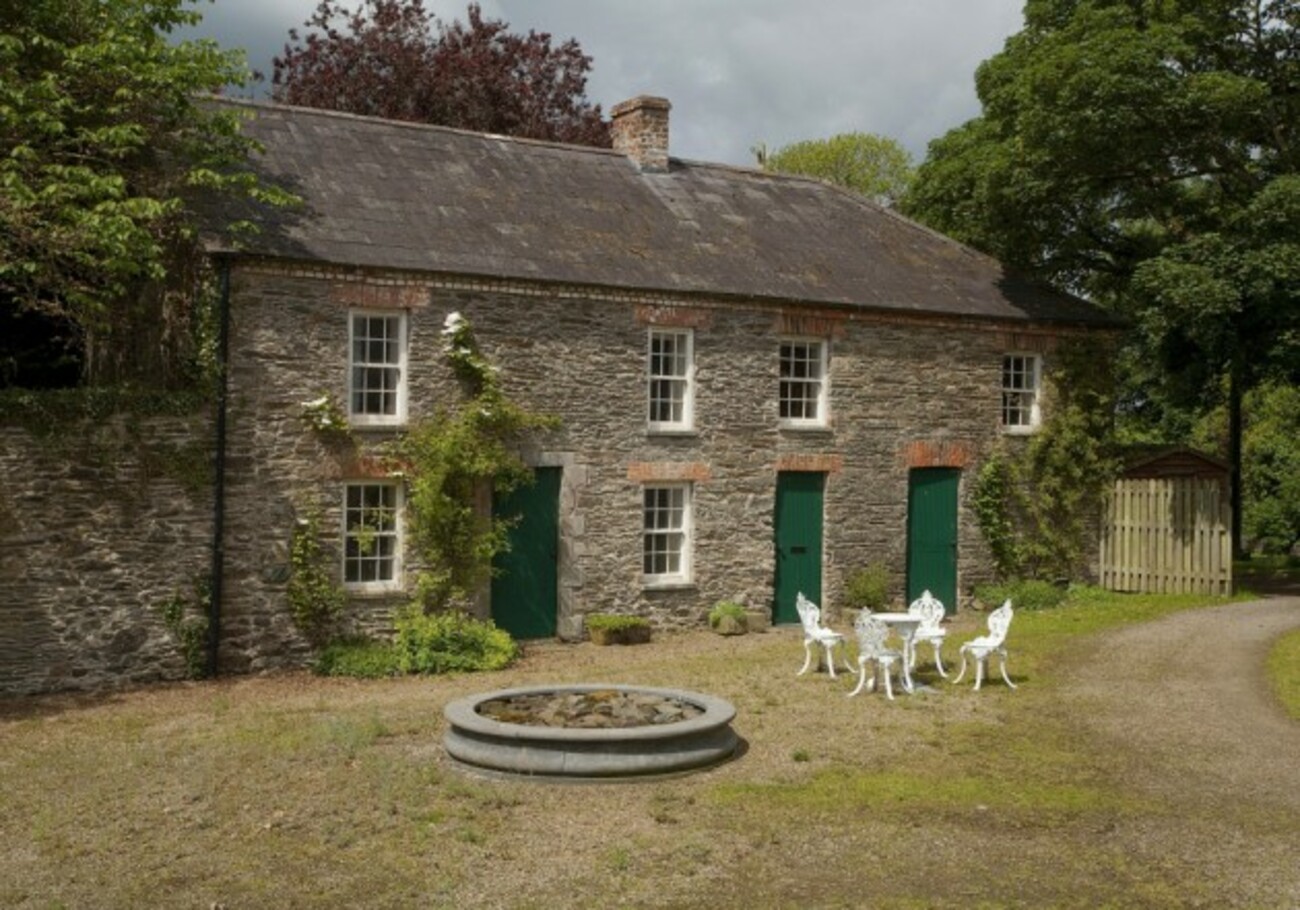 Enclosure in RedcowEnclosure · 449 yd
 Man-made underground passage in Carn MoreMan-made underground passage · 594 yd
 Battle of FaughartMajor battlefield · 1329 yd
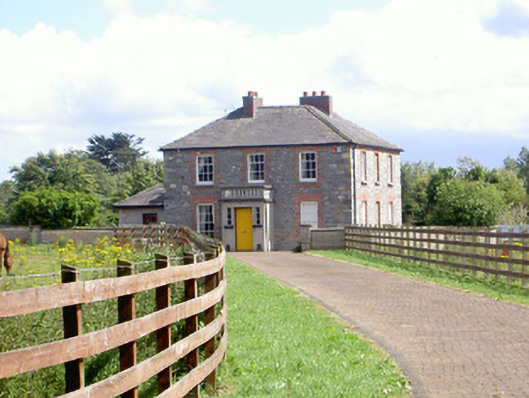 Mount Saint Franceshouse · 1700 yd
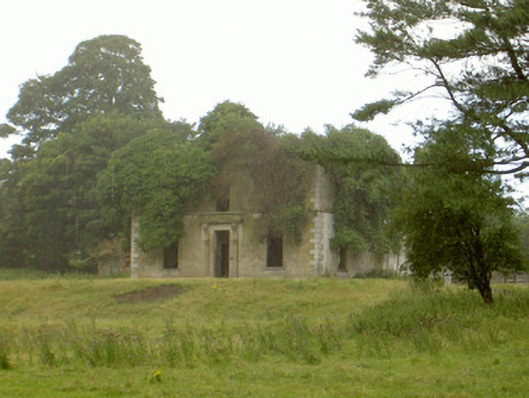 Woodlawnhouse · 1735 yd
 Raskeagh FortCastle, motte and bailey · 1.2 mi
 Faughart MoundCastle, motte · 1.2 mi
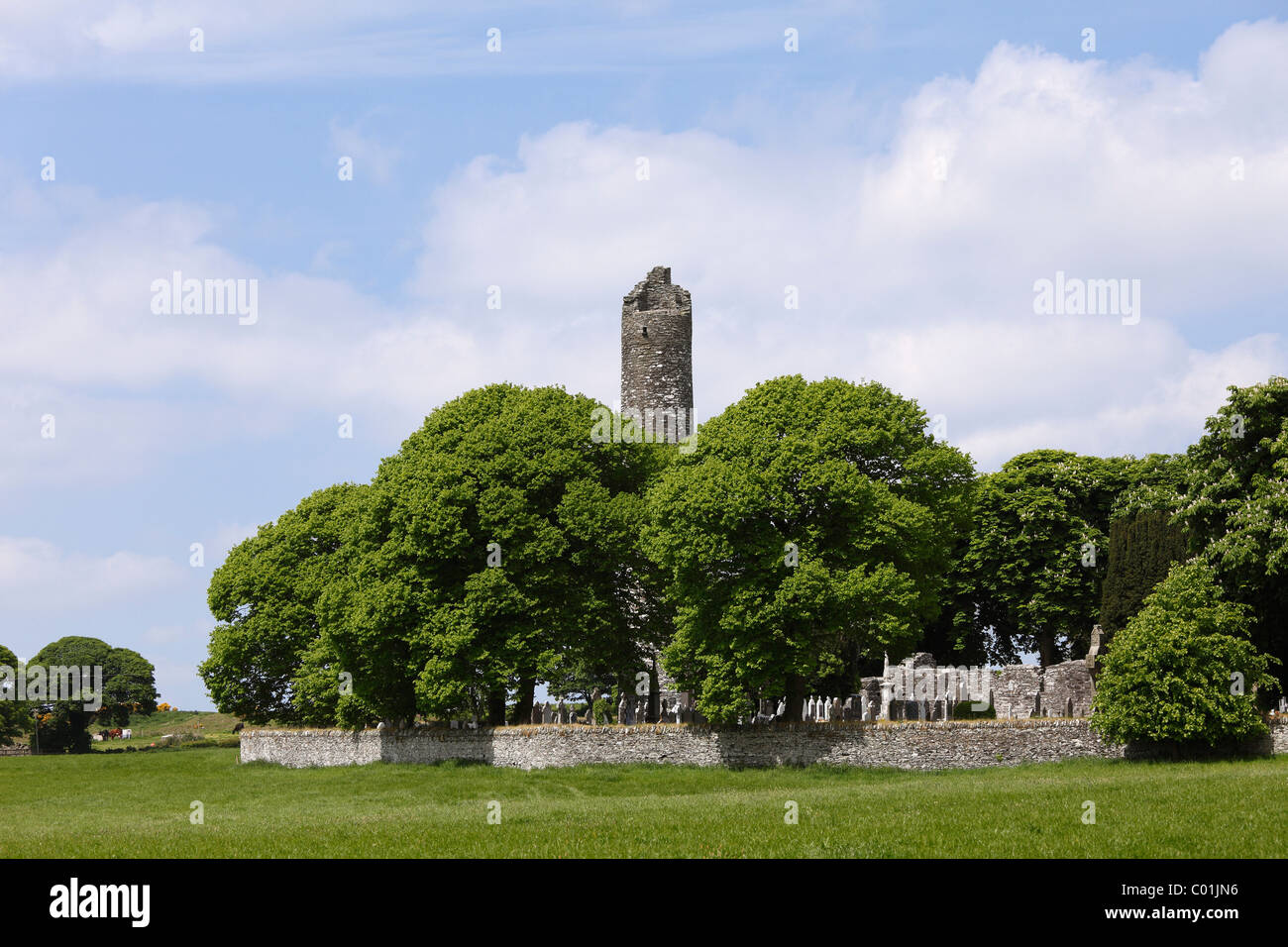 MonascreebeMountain / peak · 1.7 mi
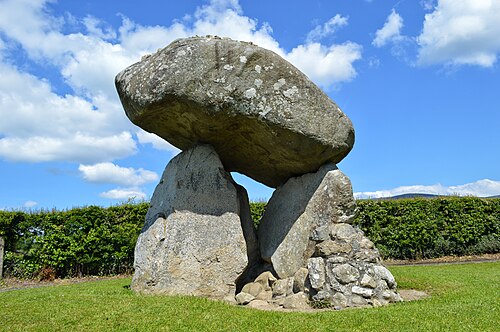 Proleek DolmenArchaeological place · 2.1 mi
 SlievenaboleaMountain / peak · 2.2 mi
 Louth County MuseumMuseum · 2.2 mi
 Maid of ErinMemorial · 2.2 mi