What is recorded here
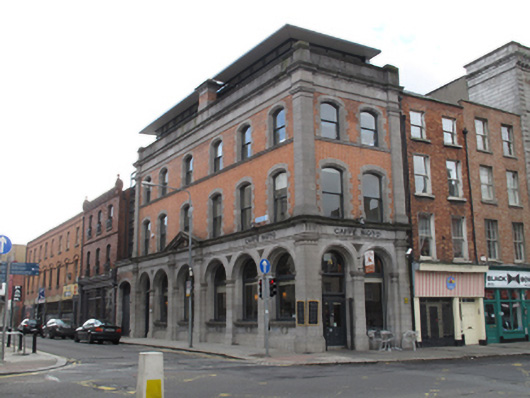
Corner-sited terraced three-storey former grocery, built c.1875, subsequently adapted as bank, having six-bay east elevation and two-bay north elevation, shopfront to both elevations. Recently extended upwards with additional storey. Now in use as café. Recent flat roof. Cut limestone parapet with carved cornice and frieze, red brick chimneystacks and cast-iron rainwater goods. Red brick laid in Flemish bond to walls, with cut limestone corner-pilasters. Segmental-headed window openings having bull-nosed limestone surrounds, one-over-one pane timber sash windows, carved limestone continuous sill course to second floor, cornice over shopfront forming continuous sill course to first floor. Carved limestone shopfront to ground floor comprising limestone pilasters supporting round arches forming arcade, decorative panels to spandrels, frieze and cornice. Pediment to cornice to east elevation, with carved Portland stone panel to tympanum. Round-headed window openings having timber framed windows, limestone sills with cast-iron spikes and panelled risers. Carved limestone plinth course. Round-headed door opening to front and east elevations, having double-leaf half-glazed timber panelled doors and overlights. Carriage arch to south of east elevation, with red brick laid in Flemish bond to wall. Segmental-headed opening having carved limestone surround and double-leaf timber battened doors.
Prominently sited at the corner of Thomas Street and Francis Street, this imposing building makes a strong impression on the streetscape. Originally built as a grocery, tea, wine and spirit shop for one Edward Burke, it was later altered for use as a branch of the Dublin Savings Bank. The use of limestone adds textural and visual contrast to the red brick walls, and the fine shopfront lends the building an air of authority which relates to its former banking use. Decorative panels to the spandrels and tympanum provide artistic interest, depicting characteristically Irish emblems such as harps and shamrocks. The Savings Bank model was established in the late eighteenth century as a means of encouraging working class people to save by providing a repository for small deposits giving this building some importance for the inhabitants of the area.
This does not grant access. Most recorded buildings are privately owned; view them only from public ground unless the owner allows entry.
Places near here
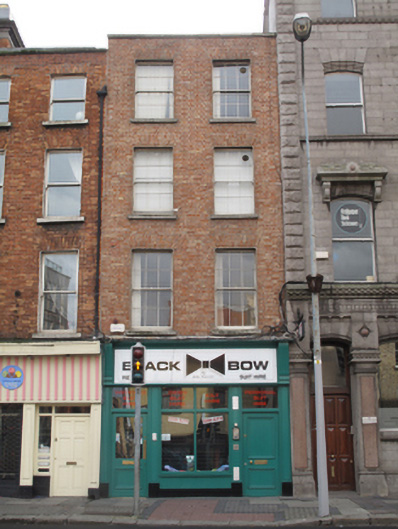 Black Bowhouse · 10 yd
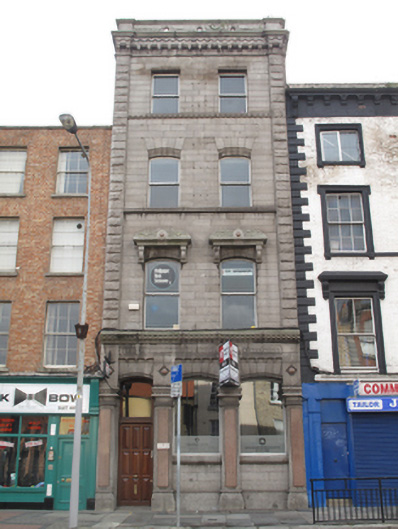 Dublin Volunteer Centrehouse · 17 yd
 Medieval DublinVisitor information · 72 yd
 Gairdín Súgartha i gCuimhne ar na Páistí a Cailleadh in 1916Memorial · 130 yd
 Cross-slab in Unknown TownlandCross-slab · 172 yd
 Font in Unknown TownlandFont · 172 yd
 St Audoen’s ChurchMuseum · 172 yd
 Medieval City Wall and St. Audeon's ArchHeritage attraction · 176 yd
 Site of Saint Patrick's wellMemorial · 462 yd
 European PearEuropean Pear · 578 yd
 CastleCastle, unclassified · 1059 yd
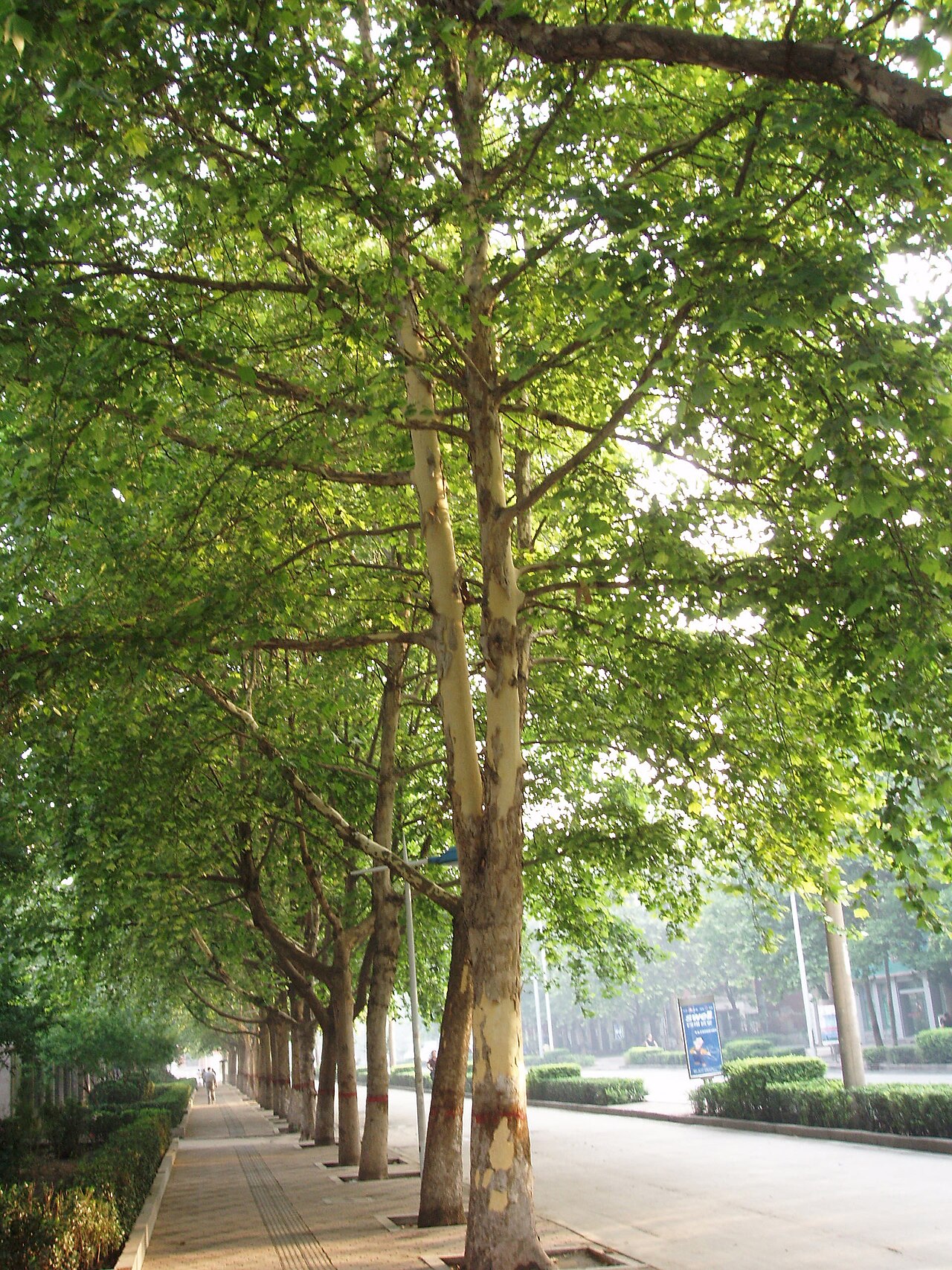 London PlaneLondon Plane · 1137 yd
Other information
Photo: National Inventory of Architectural Heritage · Website use allowed for educational or private purposes with source credit