What is recorded here
A sixteenth-century Jesuit retreat may have used the smooth basin for washing hands or pouring libations, while children buried nearby waited for mercy rather than judgement. The stone sits inside a rath that itself lies within a promontory fort, nesting human claims to the land like rings cut into wet sand. Its small size and shallow depth suggest repetition more than ceremony: a place where water was lifted, poured, wiped away, and lifted again.
Located in a rath (MA075-001008-), which is enclosed within a promontory fort (MA075-001001-). It is located to NW of a children's burial ground which occupies the SE quadrant of the rath. This bullaun stone was first recorded by Westropp (1911, 31; 1914, 315) who described it as follows: ‘a small rounded sandstone block near the north-west corner of the Killeen has a basin ground in it 16 inches [0.4m] across.’ (1914, 315). It was also noted by Casey (1999).
Compiled by: Jane O'Shaughnessy
Date of upload: 7 August 2015
Probably dates to the early Christian period, associated with ritual or ecclesiastical use. Bullaun stones were often used for hollowing out to hold holy water or for ritual purposes, and may have had spiritual or healing significance.
The monument record does not grant public access. Check the route and ask the landowner before entering private land.
- What survives
- Recorded monument
Places near here
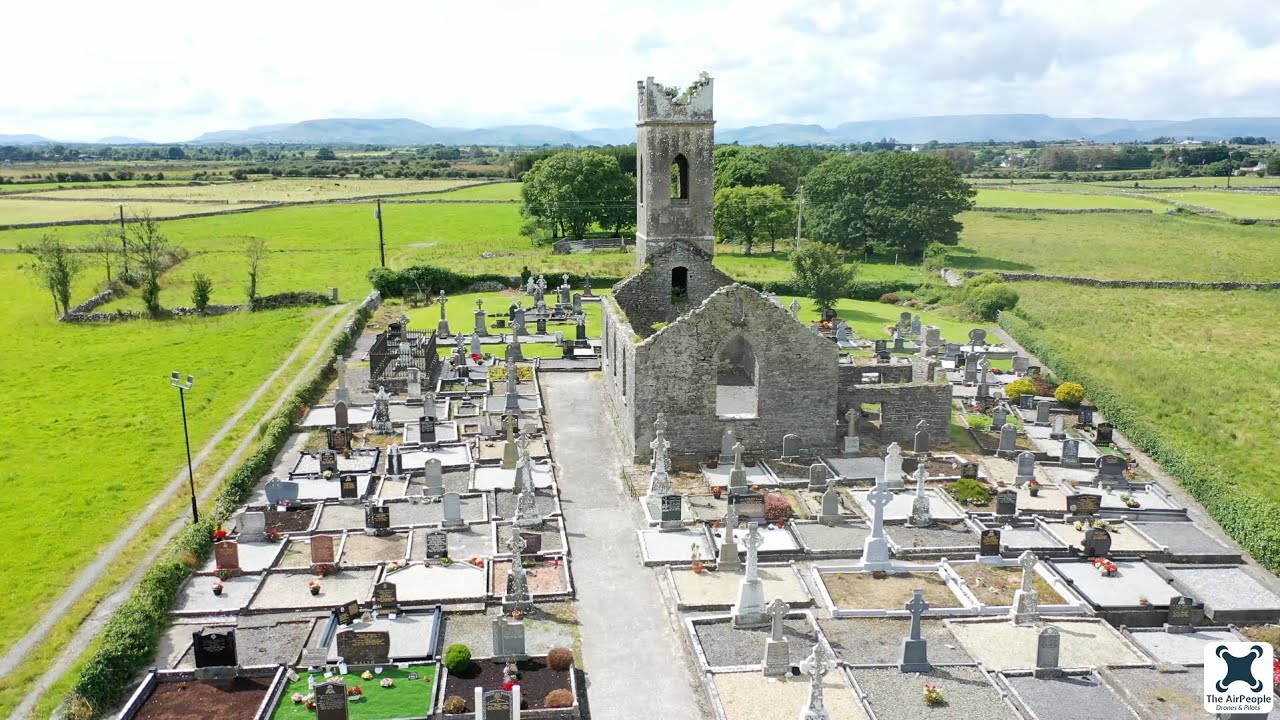 Church in Acaill BheagChurch · 3 yd
 Dun KilmorePromontory fort, coastal · 69 yd
 Old FortArchaeological place · 107 yd
 Acaill BheagIsland · 584 yd
 Achillbeg Island N TopMountain / peak · 651 yd
 Achillbeg Island S TopMountain / peak · 1039 yd
 Achillbeg LighthouseLighthouse · 1557 yd
 Kildavnet CastleCastle, tower house · 1.2 mi
 Caisle án GhráinneHeritage attraction · 1.2 mi
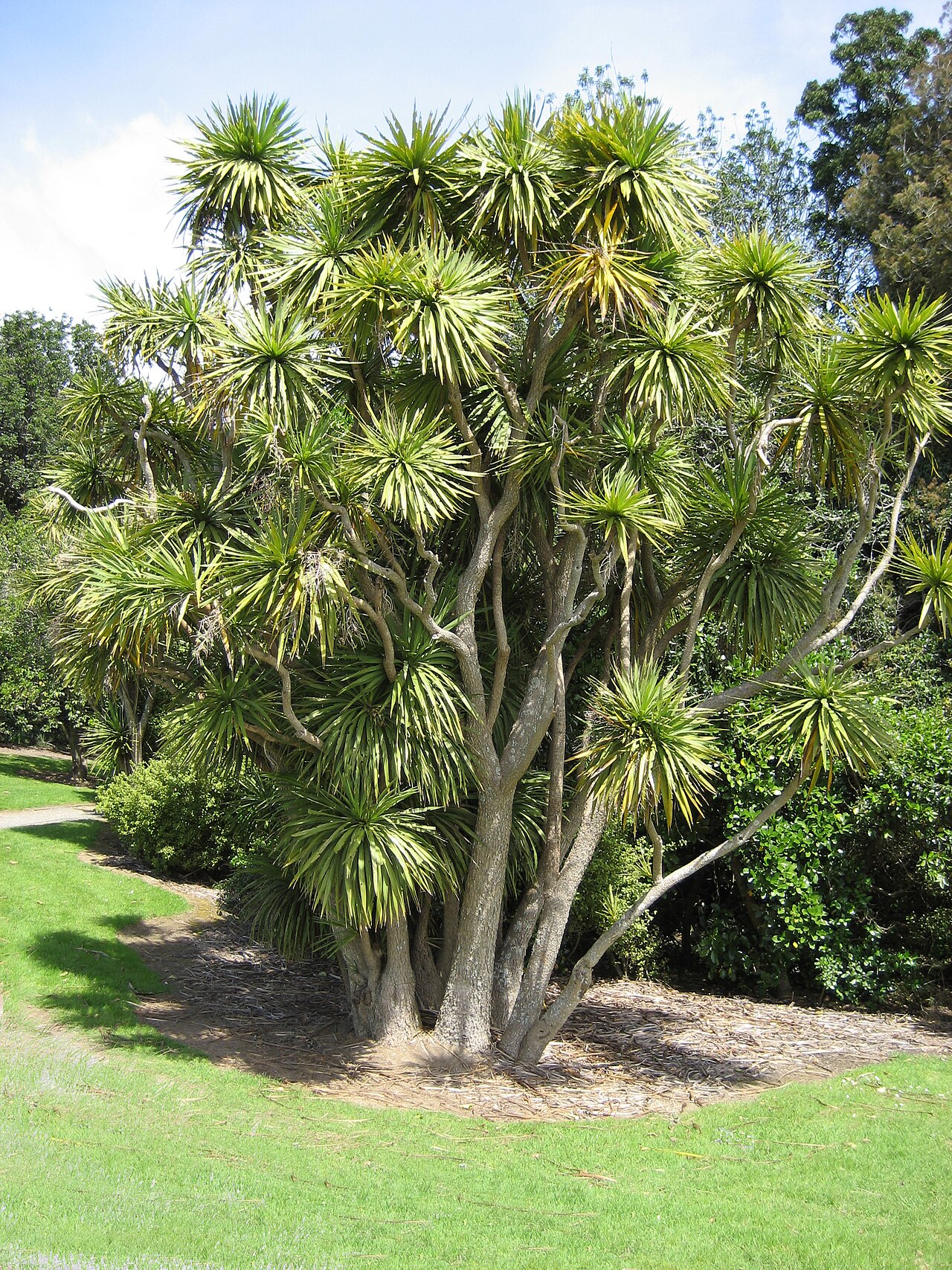 Cabbage treeCabbage tree · 3.1 mi
 Memorial Thomas PattenMemorial · 4.2 mi
 Clare IslandIsland · 4.3 mi