What is recorded here
Beggars Bush Barracks stood as a recruiting depot from 1827 before becoming an infantry garrison capable of housing nearly nine hundred men. It witnessed four executions in November 1922, including Erskine Childers, marking a brutal chapter in the birth of the new state. The guns fell silent in 1929, but the stones never stopped working; they absorbed print museums, labour courts and residential apartments. What began as a cage for soldiers became a living room for memory, proving that even the hardest military architecture must eventually learn mercy.
Beggars Bush Barracks
19th-century Beggars Bush Barracks was recorded in 2025 in the ‘Our Shared Built Military Heritage: The online mapping, inventorying and recording of the Army Barracks of Ireland, 1690-1921' a project that was funded by the North South Research Programme 2022-2024 and co-led by University College Dublin and The Open University' (Forbes and McGrath 2025). The barracks was described in the inventory of the ‘Army Barracks of Ireland - Our Shared Military Heritage, 1690-1921’ as follows; ‘Beggars Bush Barracks was constructed in or around 1827 and was initially designated as a recruiting depot. Thereafter it was put to use as an infantry barracks, with a capacity in 1867 for 29 officers, 857 infantrymen and seven horses. The barracks remained in continuous use and was one of the first to be handed over to the Irish Provisional Government on 1 February 1922. Occupied thereafter by the National Army, there were four executions at the barracks in November 1922: Erskine Childers, Joseph Spooner, Patrick Farrelly and John Murphy. The barracks was decommissioned in 1929. Thereafter the barracks served in the first instance as the location for the Gaeltacht Industries Depot, established in 1930 with a remit to market the output of Gaeltacht rural industries. Later it provided a home for the Labour Relations Commission / Court and the Geological Society of Ireland. Currently the old Garrison Chapel is the location of the National Print Museum while the Irish Labour History Society Museum is based in the former central garrison headquarters on the front square. Much of the remaining pre-existing structures have also been re-purposed as housing, with the redevelopment of the main square in the early 1990s into residential apartments being tastefully carried out with respect to the original structures and fabric of the buildings'.
Compiled by: Caimin O'Brien based on description taken from inventory of the ‘Army Barracks of Ireland - Our Shared Military Heritage, 1690-1921
Date of Compilation: 11 November 2025
The monument record does not grant public access. Check the route and ask the landowner before entering private land.
- What survives
- Recorded monument
Places near here
 National Print MuseumMuseum · 91 yd
 Lieutenant Michael MaloneMemorial · 277 yd
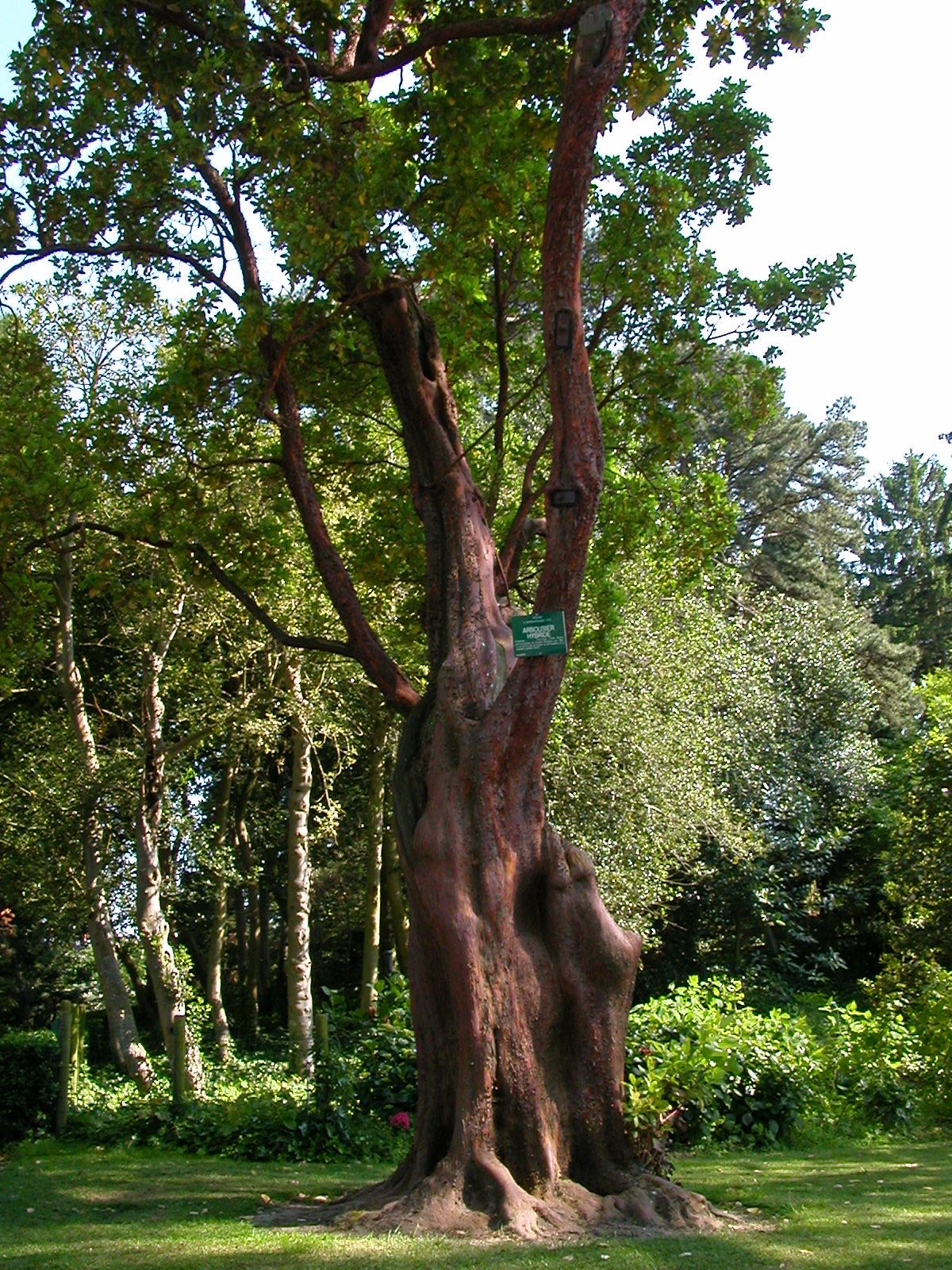 Hybrid strawberry treeHybrid strawberry tree · 360 yd
 In Honour of the Mount Street Bridge battle 1916Memorial · 447 yd
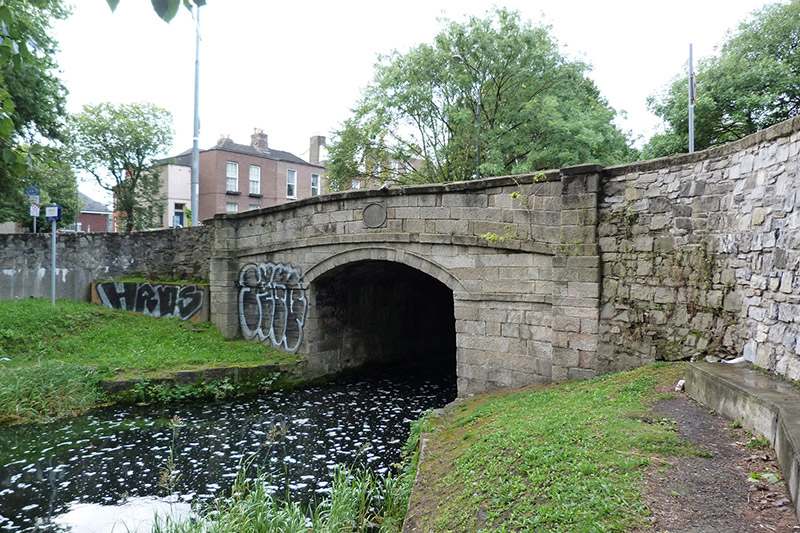 McKenny Bridgebridge · 454 yd
 McKenney Bridge Locklock · 461 yd
 St Mary's ParkVisitor information · 568 yd
 Graveslab in Unknown TownlandGraveslab · 600 yd
 Waterways Ireland Visitors CentreVisitor information · 764 yd
 Irish Architectural ArchiveMuseum · 943 yd
 Settlement cluster in Unknown TownlandSettlement cluster · 1002 yd
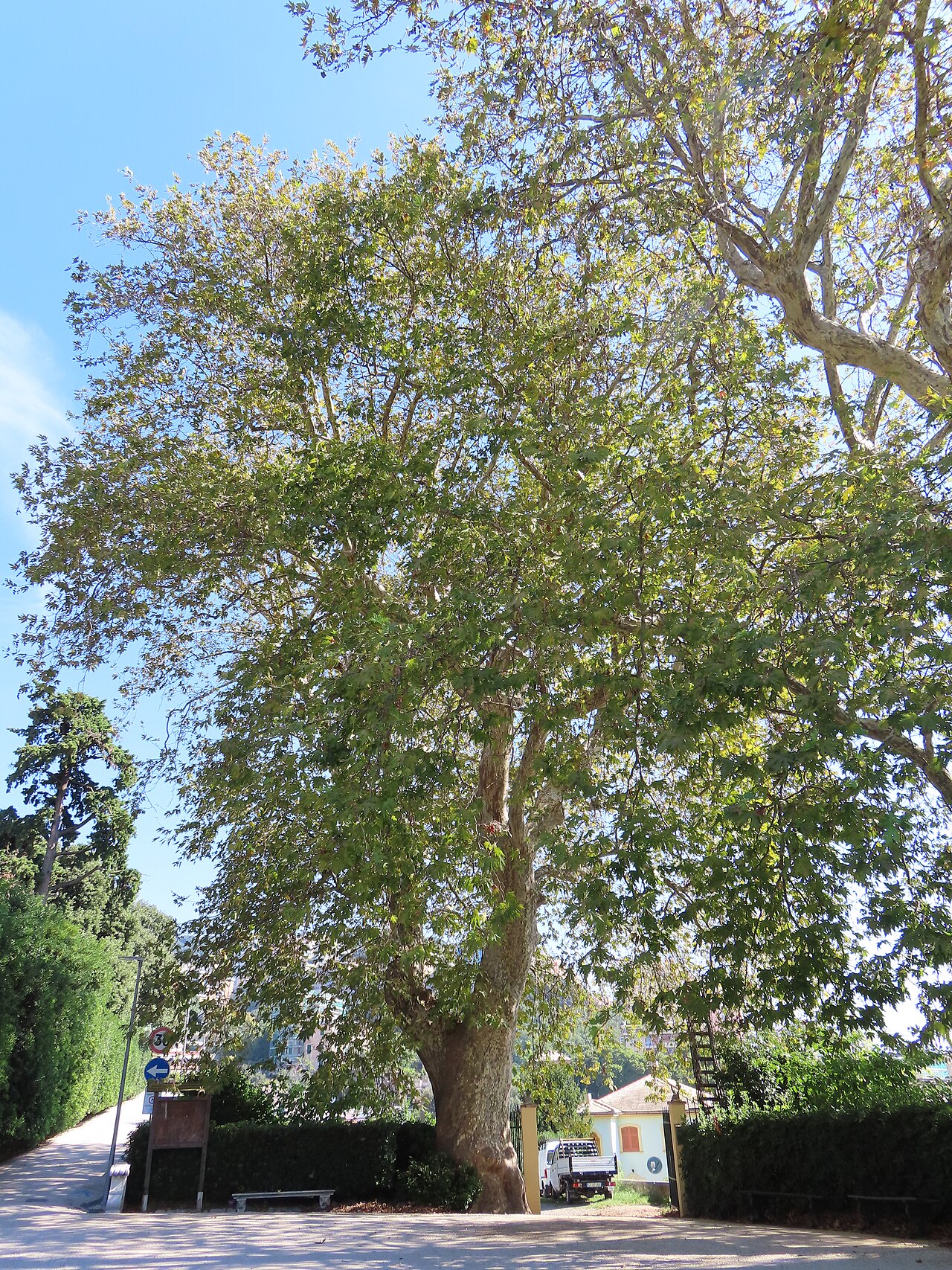 Oriental planeOriental plane · 1.0 mi