What is recorded here
Excavated as part of the Dundalk Western by-pass project (Excavation Licence No. 03E0873). A mound (diam. 26m) with an external turf bank. No evidence for a ditch. A disturbed, stone-lined burial chamber was discovered in the centre. Only the northern half survived as the southern half was truncated by the Dublin-Belfast railway embankment quarry. Finds consisted of scattered cremated bone, a few sherds of encrusted urn, a copper alloy pin, four small copper alloy ornaments or fastenings and three pieces of struck/worked flint. Situated c. 50m to the S of a burial cairn (LH004-134001-) and c. 50m to the E of two ring barrows (LH004-134003- and LH004-134004-). (Bayley 2006, 340-1; Bayley 2005, 10)
References:
Bayley, D. 2005 M1 Dundalk Western by-pass site 127: Carn More 5 chainage 24.810-25.100 NGR: 304912 / 310860, Post-excavation assessment and project design on behalf of Louth County Council and the National Roads Authority Licence. Unpublished Report, DAHG 03E0873, Irish Archaeological Consultancy.
Bayley, D. 2006 Site 127, Carn More 5, Faughart Bronze Age cemetery. In I. Bennett (ed.), Excavations 2003: summary accounts of archaeological excavations in Ireland, 340-1 (No. 1275). Bray. Wordwell
Compiled by: Claire Breen
Date of upload: 18 November 2011
A Neolithic embanked barrow, dating to approximately 3000–2500 BCE. It represents an early form of passage tomb construction and provides insight into burial practices and social organisation in the Neolithic period of Ireland.
The monument record does not grant public access. Check the route and ask the landowner before entering private land.
- What survives
- Recorded monument
Places near here
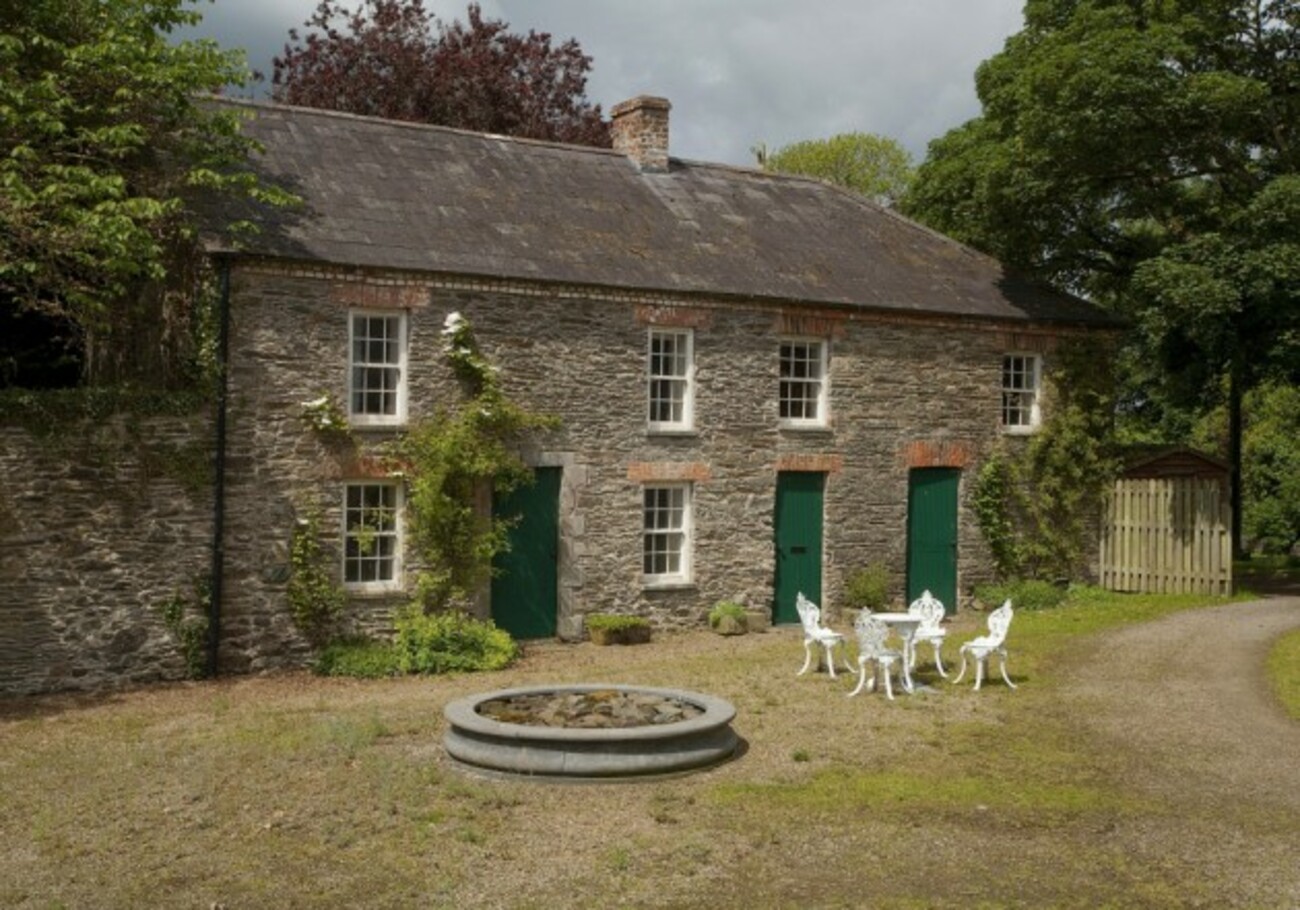 Enclosure in RedcowEnclosure · 420 yd
 Man-made underground passage in Carn MoreMan-made underground passage · 610 yd
 Battle of FaughartMajor battlefield · 1330 yd
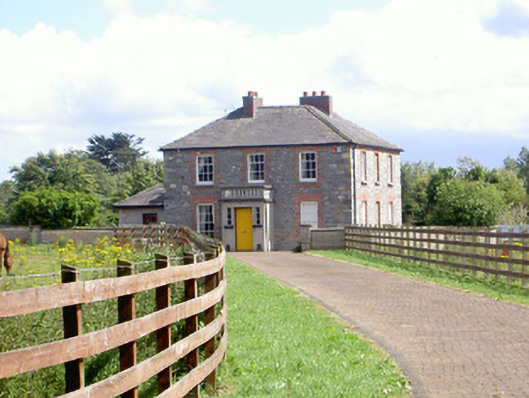 Mount Saint Franceshouse · 1684 yd
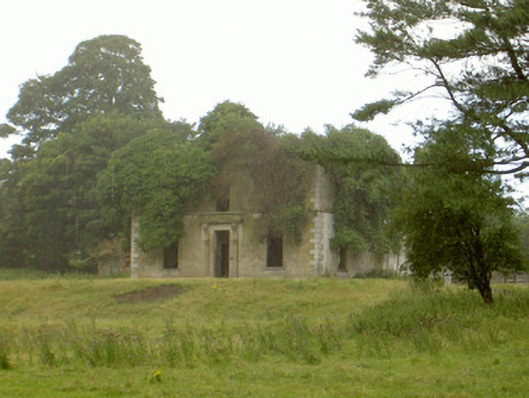 Woodlawnhouse · 1740 yd
 Raskeagh FortCastle, motte and bailey · 1.2 mi
 Faughart MoundCastle, motte · 1.2 mi
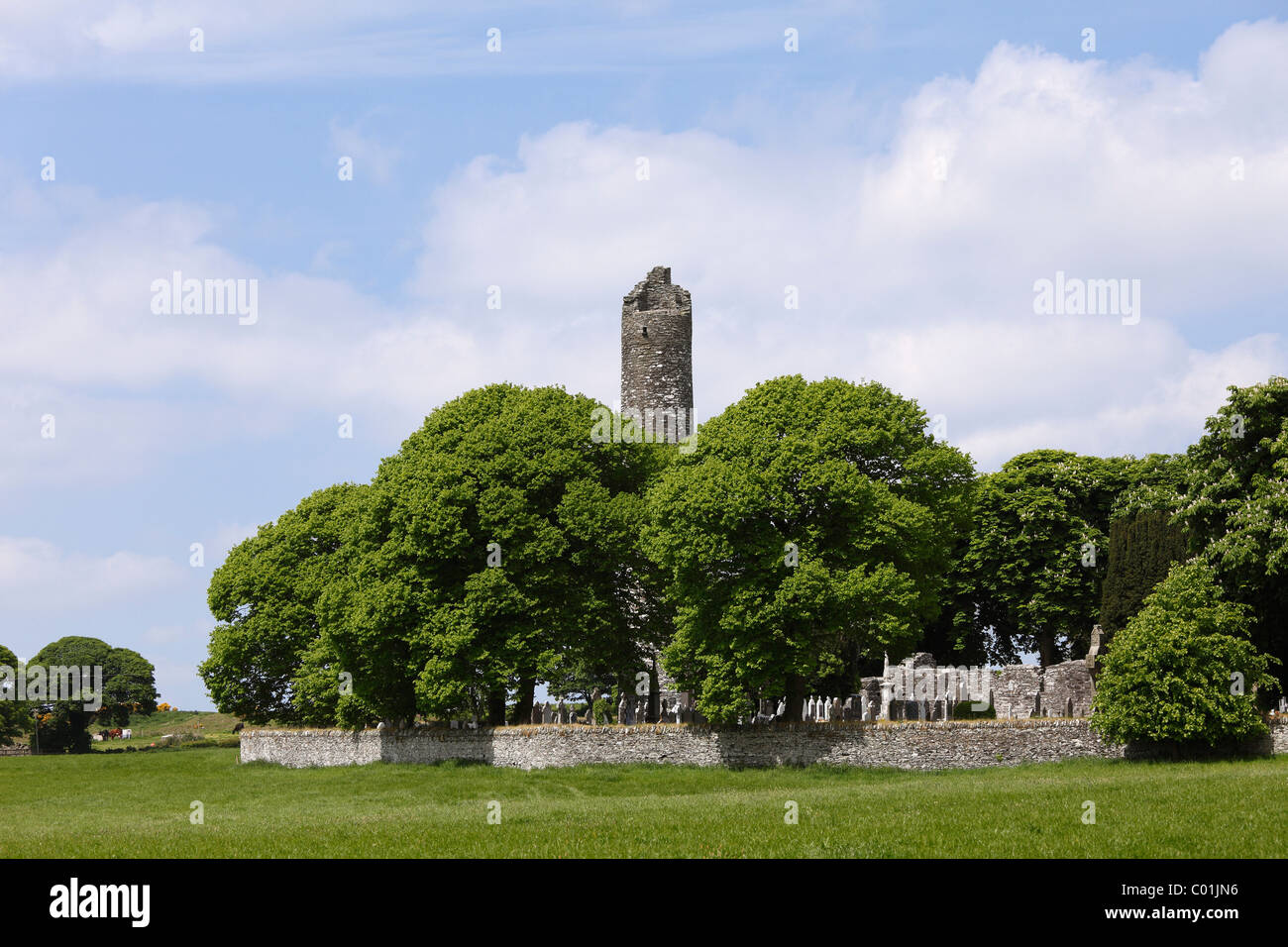 MonascreebeMountain / peak · 1.7 mi
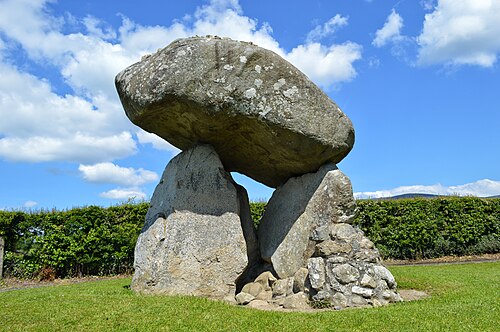 Proleek DolmenArchaeological place · 2.1 mi
 SlievenaboleaMountain / peak · 2.2 mi
 Louth County MuseumMuseum · 2.2 mi
 Maid of ErinMemorial · 2.2 mi