
What is recorded here
Pointed-segmental arch pedestrian bridge, dated 1838, having two-stage octagonal-plan tower to south-west. Formerly carrying pathway over entrance avenue to Saint Anne's House. Squared and rubble limestone walls, with squared voussoirs, stringcourse at arch impost and rebuilt parapet walls. Inscribed plaque inserted to east elevation of tower in 1926. Paired pointed arch window opening to upper stage of front (south-east) elevation of tower, with limestone lintel and sill, mullion now absent. Lancet openings to walls. Pointed arch door openings to front (south-east) elevation of tower, and to south-west and north-east elevations of upper stage, with dressed limestone voussoirs. Cantilevered steps to rear (north-east) of upper stage. Square-headed door opening to west elevation of tower, with flight of stone steps from ground stage to interior. Rendered walls to chambers to interior of tower. Situated in public park.
Benjamin Lee Guinness built this ornamental bridge over the entrance avenue of St. Anne's estate from the coast road to mark the birth of his first child, Annie Lee. A later inscribed plaque, erected by the son of its namesake, lends contextual interest. The decorative appearance of this well-executed folly belies its highly functional nature. It forms part of a wide-ranging endeavour to landscape the estate, with the construction of several walkways and avenues as well as formal planned gardens and classical and rustic follies, by Guinness. The parapet and tower walls were originally crenellated, creating a Gothic Revival appearance which remains apparent in the lancet windows which take on the appearance of arrow loops. Steps to the top of the tower, originally enclosed by a railing, created a viewing point. Built on an elevated site close to the south-eastern boundary of the estate, it is a conspicuous feature of some picturesque appeal.
This does not grant access. Most recorded buildings are privately owned; view them only from public ground unless the owner allows entry.
Places near here
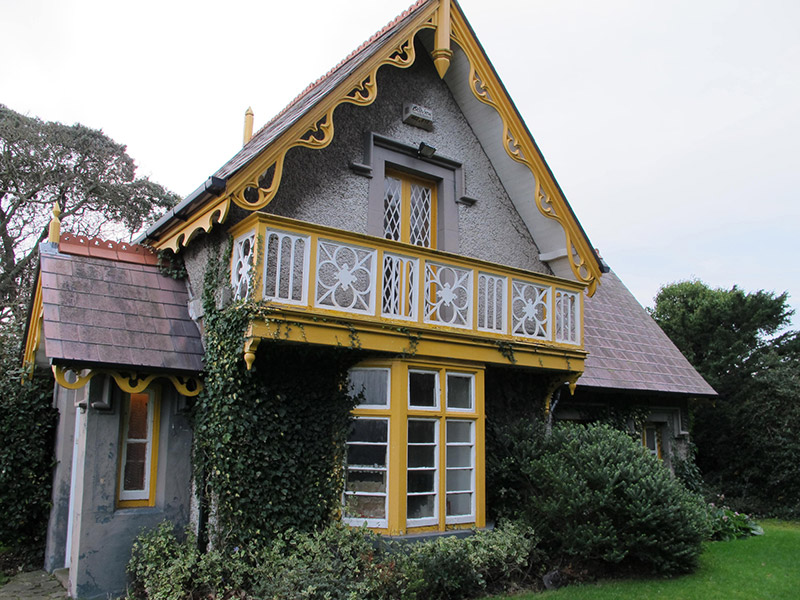 Sealawn Lodgegate lodge · 104 yd
 demesne walls/gates/railingsdemesne walls/gates/railings · 113 yd
 Rustic ArchesMonument · 284 yd
 Hermit's CaveMonument · 377 yd
 Rockwork FeatureMonument · 379 yd
 St. Annes WoodsWood · 471 yd
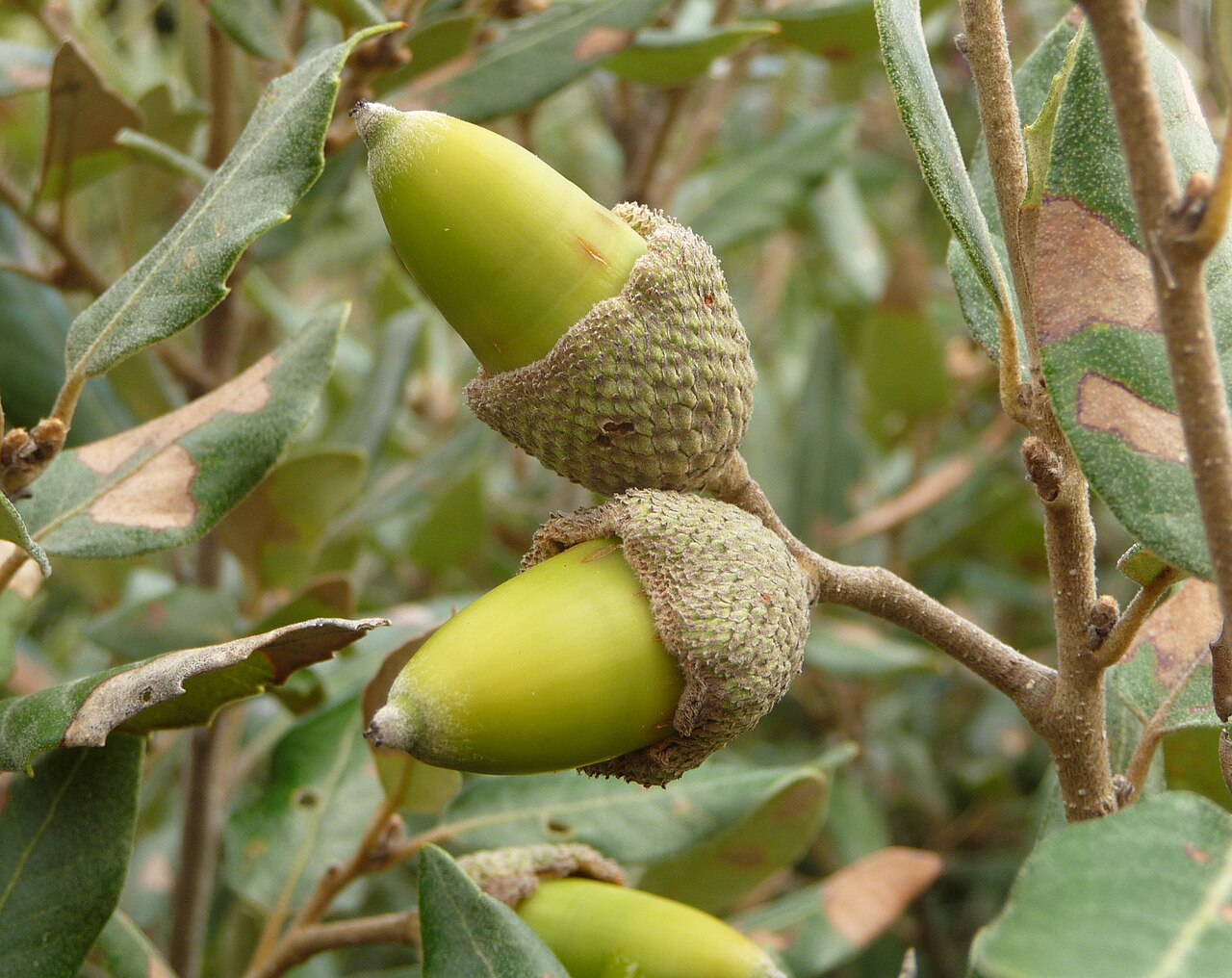 Holm OakHolm Oak · 531 yd
 Bull Island Nature ReserveVisitor information · 866 yd
 Battle of ClontarfMajor battlefield · 1.1 mi
 Clontarf War MemorialMemorial · 1.3 mi
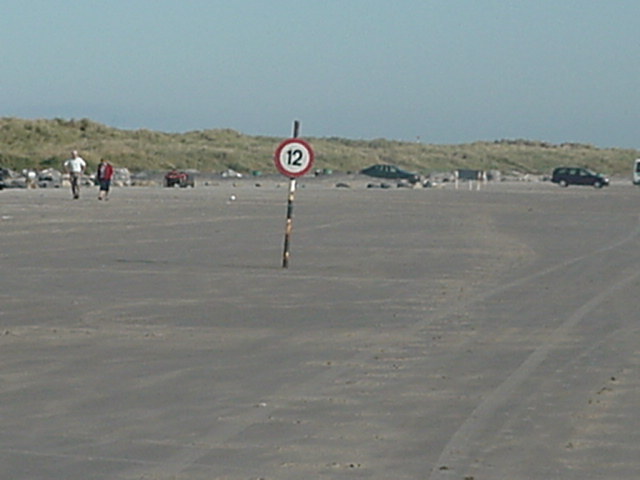 Dollymount StrandBeach / strand · 1.4 mi
 Clontarf Castle HotelVisitor information · 1.4 mi
Other information
Photo: National Inventory of Architectural Heritage · Website use allowed for educational or private purposes with source credit