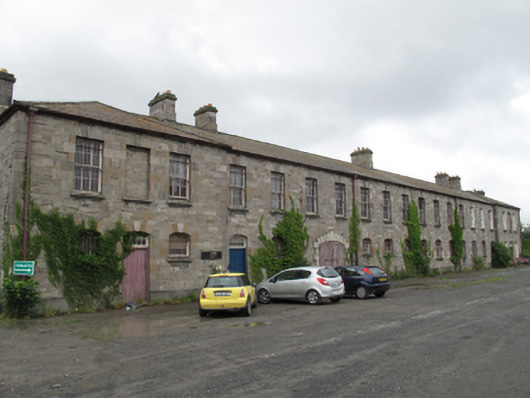
What is recorded here
Detached twenty-bay two-storey former military barracks, built 1862, having three-bay terminating breakfronts to front (south) and rear (north) elevations. Now in use as outbuilding. Hipped slate roof with tooled calp limestone chimneystacks, cast-iron rainwater goods and granite eaves course. Snecked cut calp limestone walls, tooled quoins and plinth course. Square-headed window openings to first floor, six-over-six pane timber sash windows. Some openings blocked. Segmental-arched window openings to ground floor, timber framed windows. Tooled limestone block-and-start surrounds, dropped granite keystones and granite sills throughout. Some cast-iron railings over openings. Segmental-arched door openings, tooled calp limestone surrounds, dropped granite keystones, timber battened doors and small-pane overlights. Some replacement steel doors. Segmental-arched carriage opening to front, block-and-start cut granite surround, double-leaf timber battened door. Forge to interior, brick furnace, steel flue, timber tiles to floor.
This complex at Islandbridge was an artillery barracks and by the 1830s it could house 23 officers, 547 men and had stabling for 185 horses. It also had a hospital for 48 patients. One of three similar buildings which served as ordnance repair workshops, this building was a later addition to the barracks, constructed in 1862, and reflects the ongoing development and importance of the barracks following the addition of a cavalry barracks in the mid-nineteenth century. The imposing nature of the building is enhanced by the presence of projecting breakfronts, which articulate the high quality of the stone work and the symmetry of the plan. Regularity of design and proportion is seen in the even fenestration arrangement. The use of coursed tooled calp in the walls contributes to its stoic, forbidding aspect, and is subtly enlivened by granite detailing. The complex was renamed Clancy Barracks following Independence in 1922.
This does not grant access. Most recorded buildings are privately owned; view them only from public ground unless the owner allows entry.
Places near here
 outbuildingoutbuilding · 55 yd
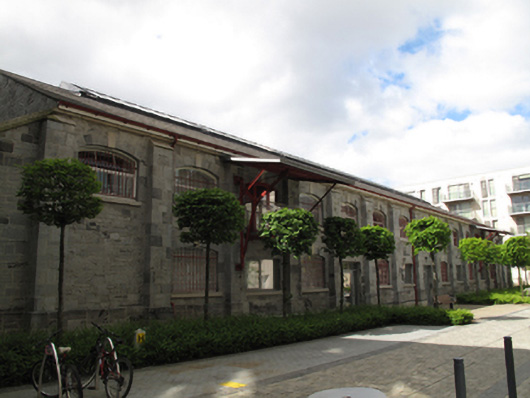 Clancy Quaystore/warehouse · 107 yd
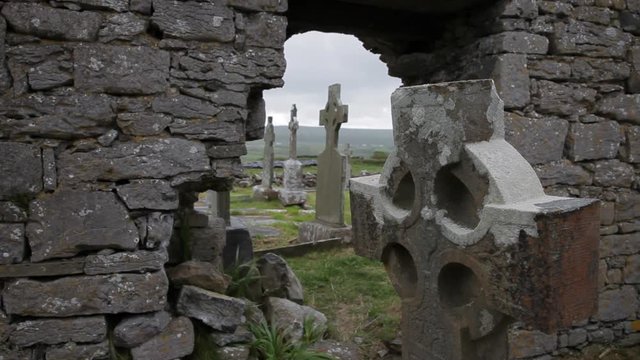 Burial in Unknown TownlandBurial · 259 yd
 St. Johns WellHoly well · 324 yd
 Royal Hospital KilmainhamHeritage attraction · 338 yd
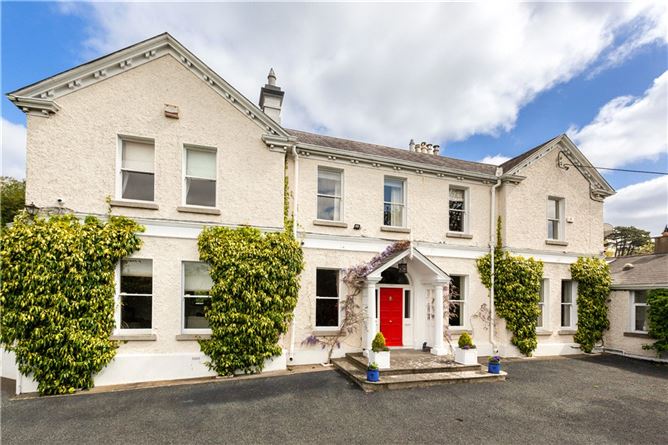 Chapelizod BypassMemorial · 340 yd
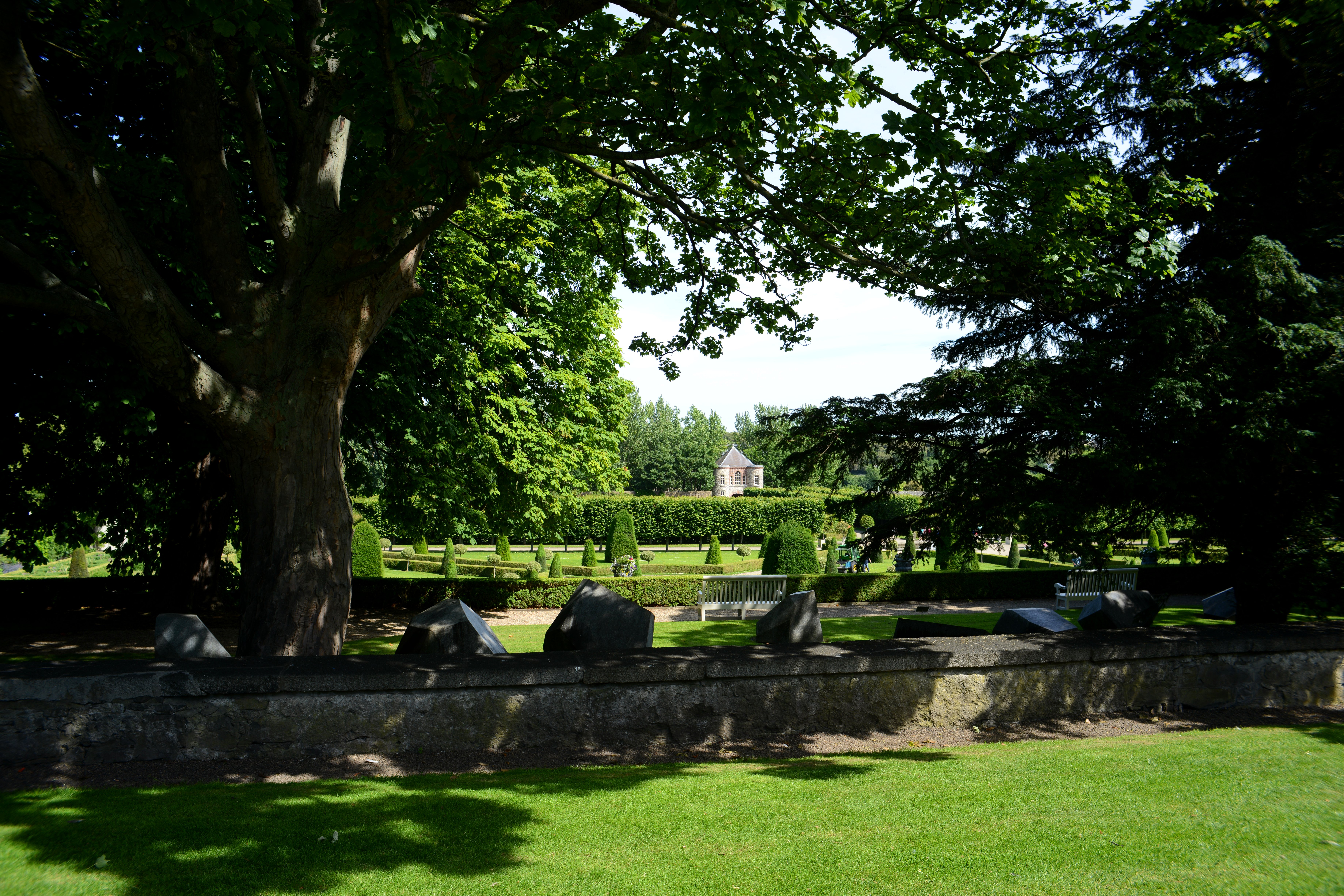 The Formal Garden at The Royal Hospital KilmainhamHeritage attraction · 390 yd
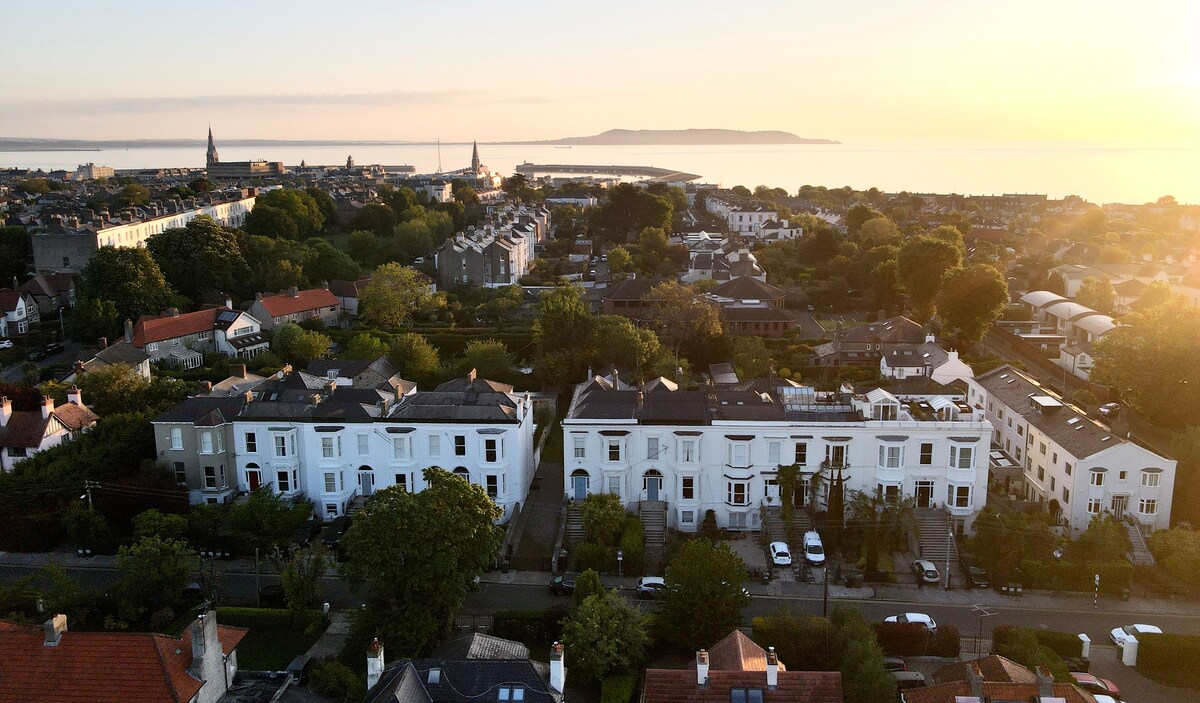 Gairdín Foirmiúil Ospidéal Ríoga Chill MhaighneannVisitor information · 454 yd
 Executions of the leaders of the 1916 risingMemorial · 561 yd
 Islandbridge LodgeVisitor information · 665 yd
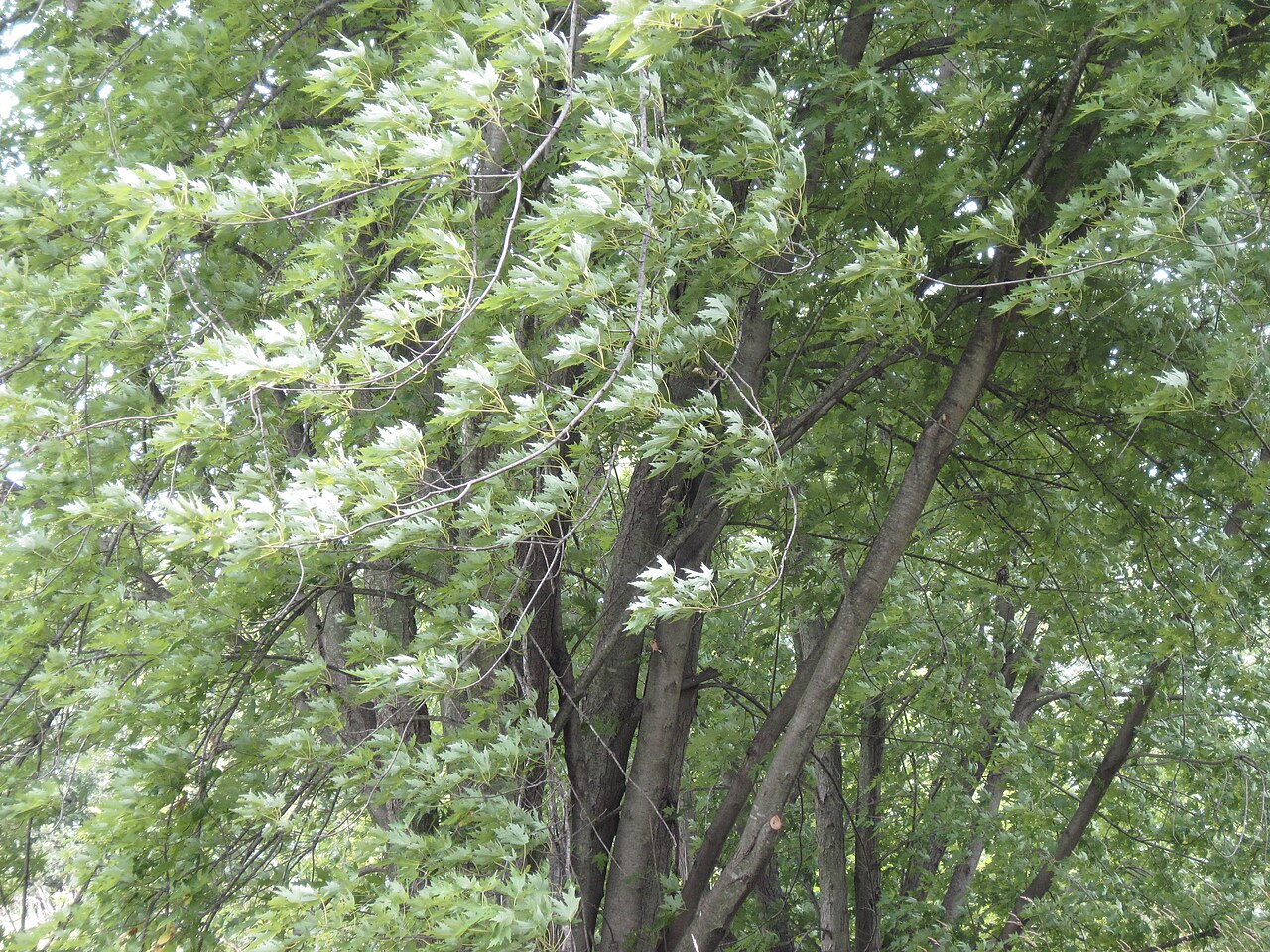 Silver mapleSilver maple · 704 yd
 Horse-chestnutHorse-chestnut · 886 yd
Other information
Photo: National Inventory of Architectural Heritage · Website use allowed for educational or private purposes with source credit