What is recorded here
Situated on flat ground in the SE sector of the town of Nenagh with a thirteenth-century castle (TN020-0370001) to the NW and a church site (TN020-037007) to the S. A Franciscan friary possibly founded around the year 1250 by Donogh O'Kennedy, bishop of Killaloe, who died in 1252 (Gwynn and Hadcock 1970, 256-7). Nenagh friary was the chief house of the Irish friars and a principal house of one of the five subdivisions of the Franciscans in Ireland (Gleeson 1943a, 157). A provincial synod of the order was held in Nenagh on the feast of St Francis in 1344 (ibid., 160). The friary was destroyed and the monks driven out during the reign of Queen Elizabeth (Gwynn and Hadcock 1970, 257). The friary became observant in 1632 and was suppressed during the Cromwellian period (Gleeson 1915, vol. 1, 150).
The OS Letters (ibid., 101) describe 'three fragments of a monumental stone, having raised on it the figure of a warrior in armour…composed of limestone' which was located near the NE inner corner. This tombstone is no longer visible inside the Franciscan Friary (TN020-037002).
Compiled by: Caimin O'Brien.
Date of upload: 22 September 2008
Effigial tomb, medieval period (13th–16th century), associated with a Franciscan friary and local ecclesiastical sites. Its presence indicates the area's historical role as a religious and burial centre in medieval Ireland.
This remains an important historical record, but the official description says the monument is no longer visible or has been destroyed. The monument record does not grant public access. Check the route and ask the landowner before entering private land.
- What survives
- No visible remains or recorded as destroyed
Places near here
 Friary (in Ruins)Religious house, Franciscan friars · 8 yd
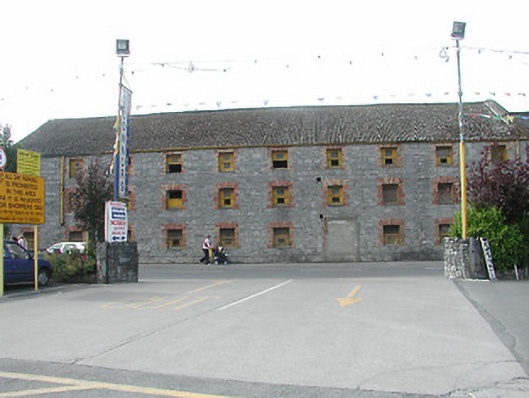 The Maltingsbrewery · 132 yd
 Town defences in Nenagh South,nenagh NorthTown defences · 208 yd
 Church (in Ruins)Graveyard · 213 yd
 CastleCastle, Anglo-Norman masonry castle · 274 yd
 Nenagh CastleCastle · 275 yd
 Nenagh Heritage CentreMuseum · 442 yd
 Old BarracksHeritage attraction · 544 yd
 Gibbet HillMountain / peak · 2.5 mi
 James Devaney MemorialMemorial · 3.4 mi
 Knigh HillMountain / peak · 4.3 mi
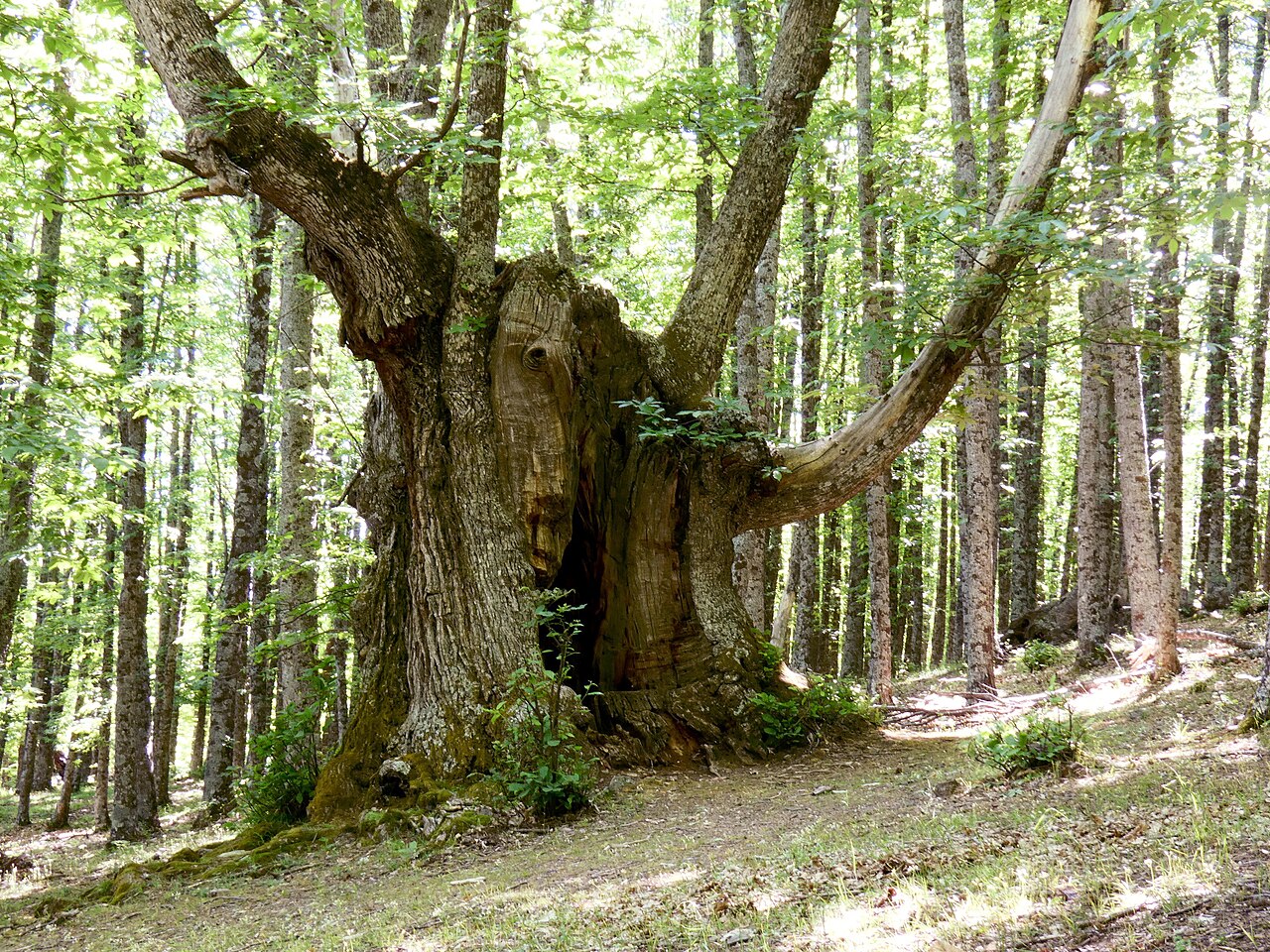 Sweet ChestnutSweet Chestnut · 4.6 mi