What is recorded here
Tobercanavore is a holy well in County Limerick where water still rushes from a cut in the mountain side. Legend says Canvore dug the hole after a flying spear fell, then received his own name in the place as reward. The stream flows north into the Morning Star, carrying that old bargain forward with every ripple.
Ó Danachair (1955, 209) recorded the following details about this holy well; 'Tobar Cinn Mhóir on 1928 edition OSNB. "Tobercanoroe, reputedly a holy well" WCL, 470. See Keating's History of Ireland, Irish Texts Society, viii, 318'. This well was also called 'Tobar Canvore' and was described by Dowd (1896, 36-7) as following; 'The well remains still under the ancient name of Tobar Ceann Moir, that is Well of the Great Head or Spring, and a river that issues from it is called Sruth Ceann Moir or the stream of Great Head. Dr. Joyce gives a version of the latter portion of the story which accounts for the name of the well in another manner. According to his reading, the great Druid called for his disciple, Canvore, and ordered him to bring his magic spear, which be cast high up in the air, directing his disciple to watch the spot where it fell and to dig there. Canvore did so and a copious stream of water gushed from the ground. Canvore on asking for his reward was told that his name would ever be connected with the spot'. He described this well as ‘it lies on the roadside, in the townland of Glenbrohane, near the boundary of Emly Grennan, three miles to the south of Knocklong, and it springs from a chasm, evidently artificial, dug in the side of Slieve Reagh (where the Munster army was posted) forming a very fine stream. The stream flows into the Morning Star after a short northerly course’.
Compiled by: Caimin O'Brien
Date of upload: 03 July 2019
Tobercanavore is associated with Saint Cinnmór, a lesser-known early Irish saint, and is traditionally believed to have healing properties. The well's reputation is linked to local folklore and early historical references, including Keating's 17th-century History of Ireland.
The monument record does not grant public access. Check the route and ask the landowner before entering private land.
- What survives
- Recorded monument
Places near here
 IndicatedEarthwork · 120 yd
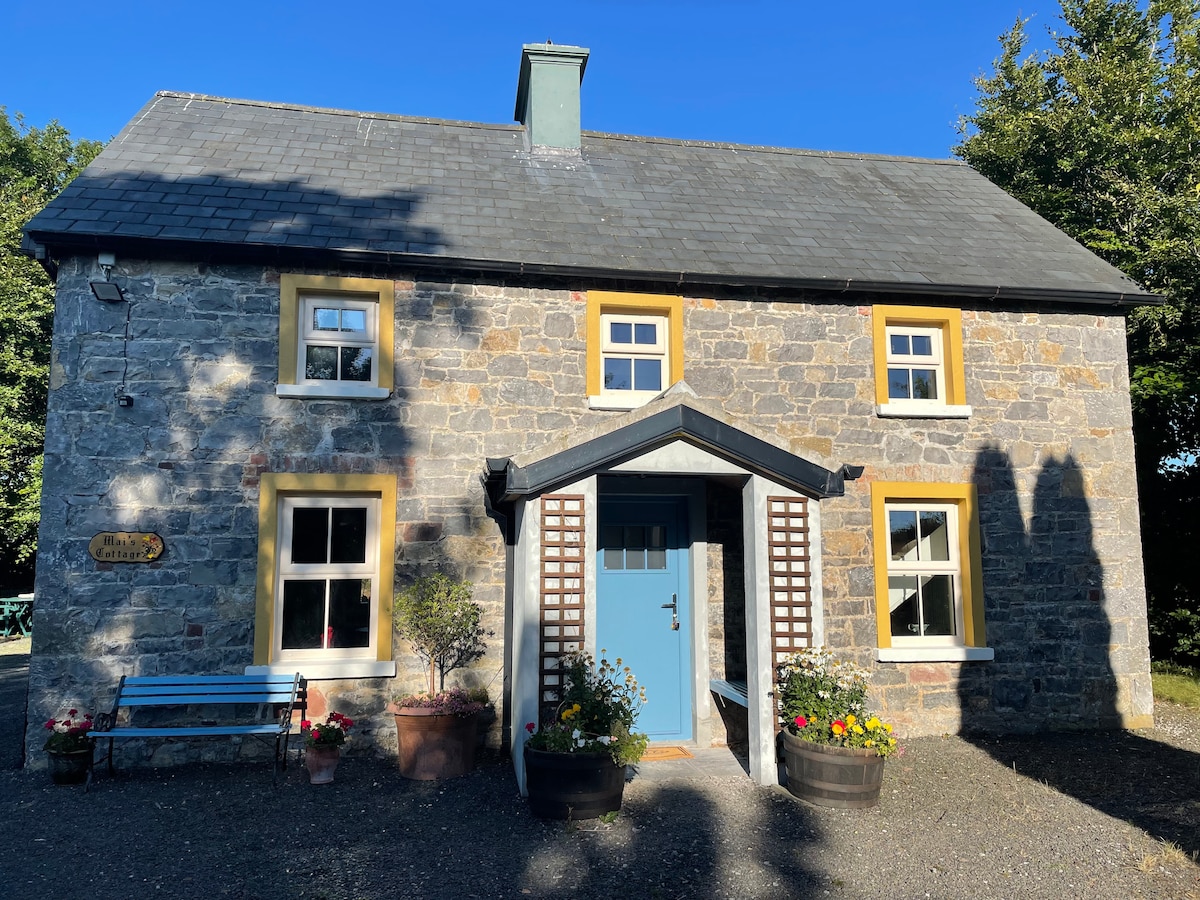 Ballinvreena LoopVisitor information · 317 yd
 Baile an bhruidhne Mote, HachuredFairy fort / earthen ringfort · 677 yd
 Quarry in CushQuarry · 1425 yd
 Ballynahinch Bridgebridge · 1.2 mi
 Edmund's WellSpring · 1.4 mi
 SlievereaghMountain / peak · 1.5 mi
 Palatine's RockNamed rock · 2.4 mi
 Saint Patrick's WellSpring · 2.5 mi
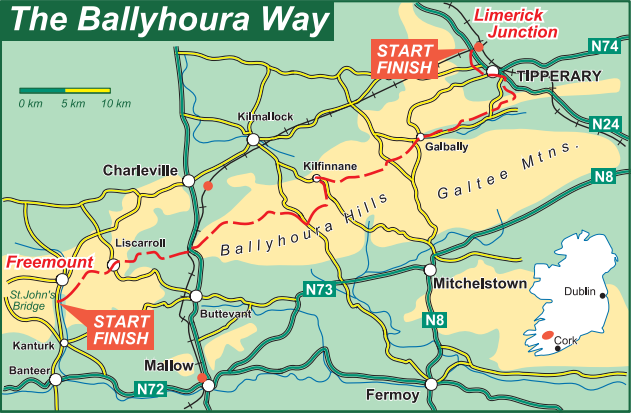 Ballyhoura WayWalking route · 2.6 mi
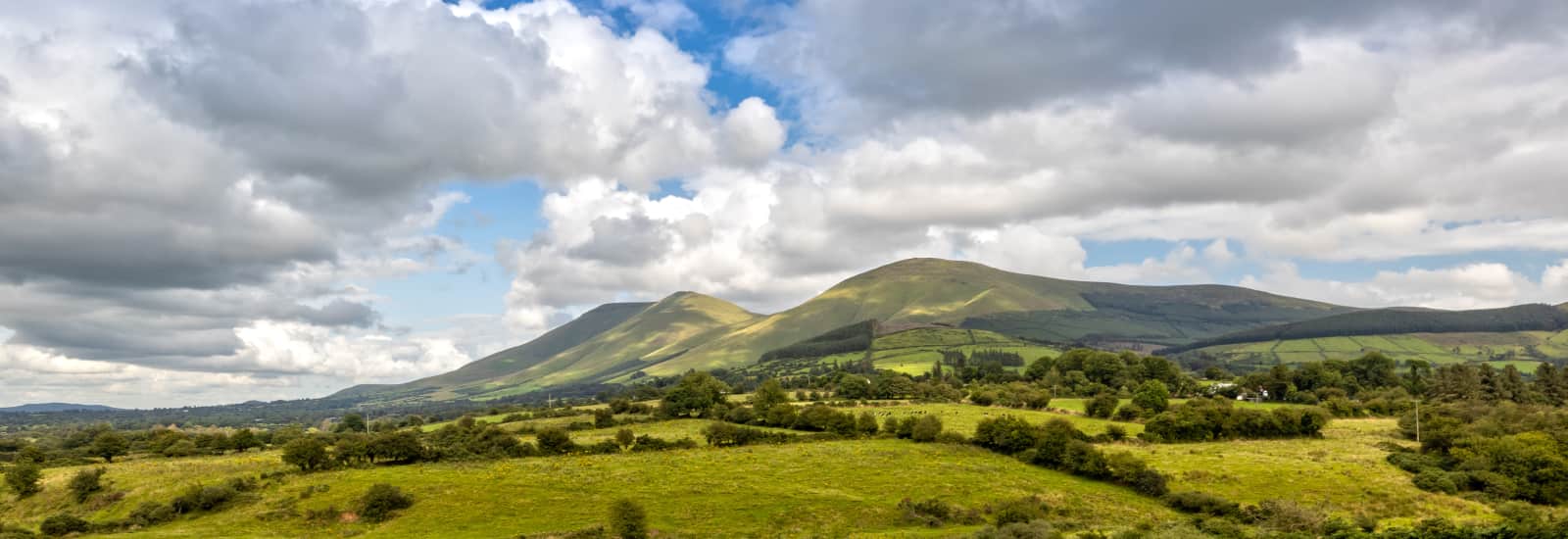 Ballyhoura tourist informationVisitor information · 2.7 mi
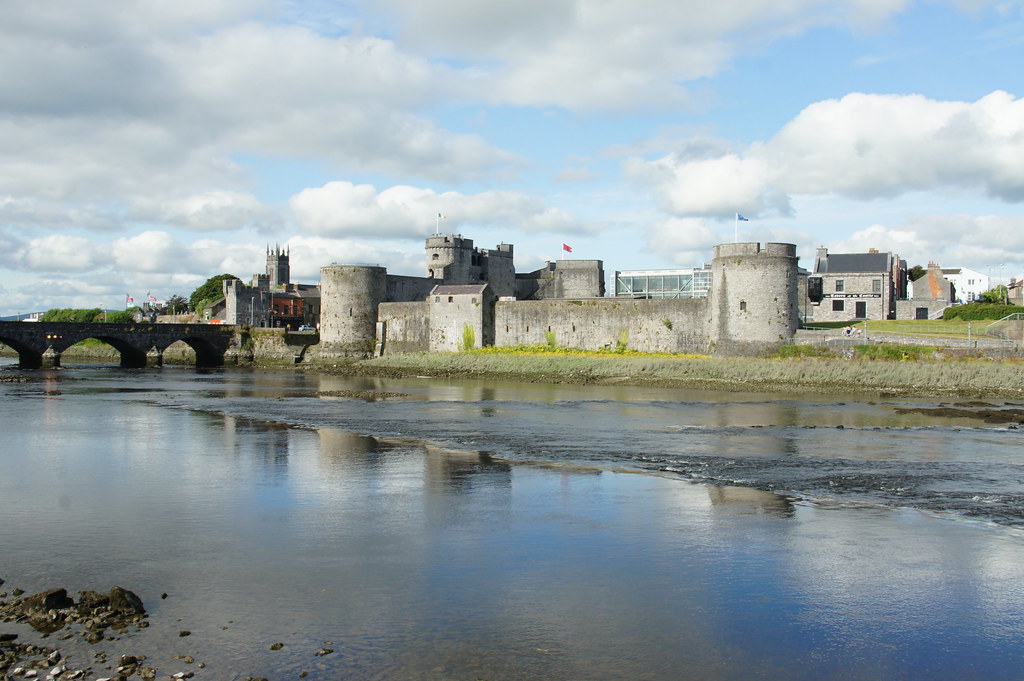 Treada Na Ríogh (The Moat), hachuredCastle, motte · 2.8 mi