What is recorded here
Toberbawn, the Clear Well, stood between Kill-of-the-Grange and Cabinteely, its water so pure and cool that people still drank from it in 1893. An aged thornbush nearby wore votive rags like a quiet garment, marking the well as a place of healing and prayer. When the well was piped and removed in the early 1980s, that old relationship did not simply disappear; it withdrew beneath the ordinary surface of the neighbourhood, waiting to be remembered through story rather than stone.
Toberbawn or Clear Well was located in green area to the west of residential areas of Hillview Drive overlooking a small stream. This well was described in 1895 as follows; 'Tobberbawn, or Clear Well, is the name of a townland between Upper Kill-of-the-Grange and Cabinteely, where a beautifully clear limpid well exists to this day, and is to this day used as a holy well; and if any persons wish to see how near to the city of Dublin the use of holy wells still prevails, just let them take a walk to the village of Kill, and ask for Tobberbawn and the holy well, and there they can see a sacred well whose Celtic name indicates its hoar antiquity, and there, too, they can see an aged thornbush covered with votive rags' (Stokes 1895, 5).
The well was described by Daly (1957, 21) as follows; 'Toberbawn or Clear Well was between Kill of the Grange and Cabinteely; its water had a specific purity and coolness and was being used as late as 1893. At one time, it certainly was revered as a holy well and considered a curative one, but there is nothing to denote this practice as having been carried on in its later years'. It was piped and later removed in the early 1980s (pers. comm. Liam Clare/Foxrock Local History Club).
Compiled by: Geraldine Stout and Padraig Clancy
Revised by: Caimin O'Brien
Date of revised upload: 20 April 2023
Toberbawn, also known as Clear Well, is traditionally associated with Saint Bawn, a lesser-known early Irish saint, and was believed to have curative properties, particularly for eye ailments. The well’s name and description suggest a long-standing local reverence, though specific folklore or historical records about its rituals are sparse.
The monument record does not grant public access. Check the route and ask the landowner before entering private land.
- What survives
- Recorded monument
Places near here
 Ritual siteRitual site, holy tree/bush · 5 yd
 Cist in DeansgrangeCist · 493 yd
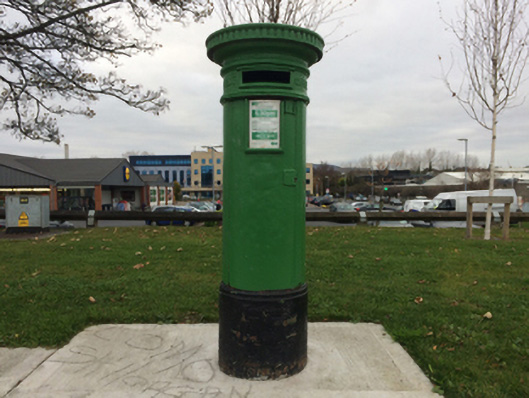 post boxpost box · 499 yd
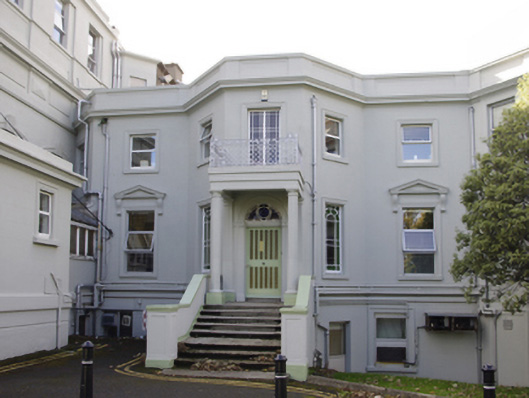 National Rehabilitation Hospitalhouse · 529 yd
 CornelscourtCastle, tower house · 953 yd
 Cabinteely ParkVisitor information · 1239 yd
 Cabinteely Park OrchardVisitor information · 1240 yd
 Proclamation of the Irish RepublicMemorial · 1322 yd
 Brian NolanHeritage attraction · 1342 yd
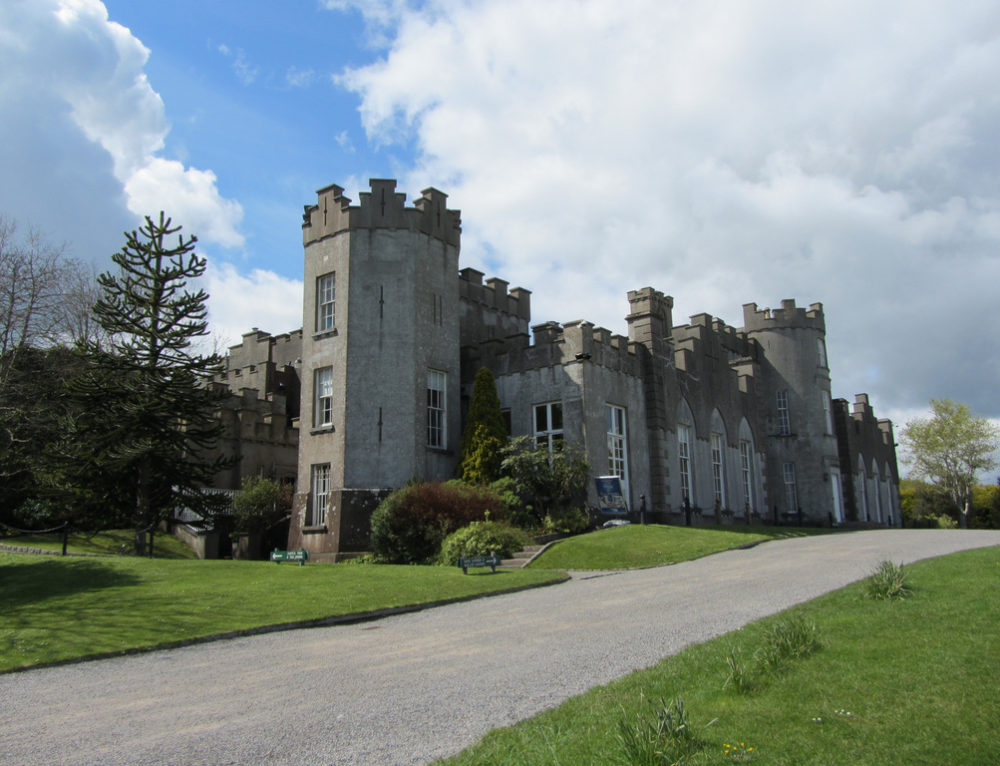 CastleCastle, unclassified · 1364 yd
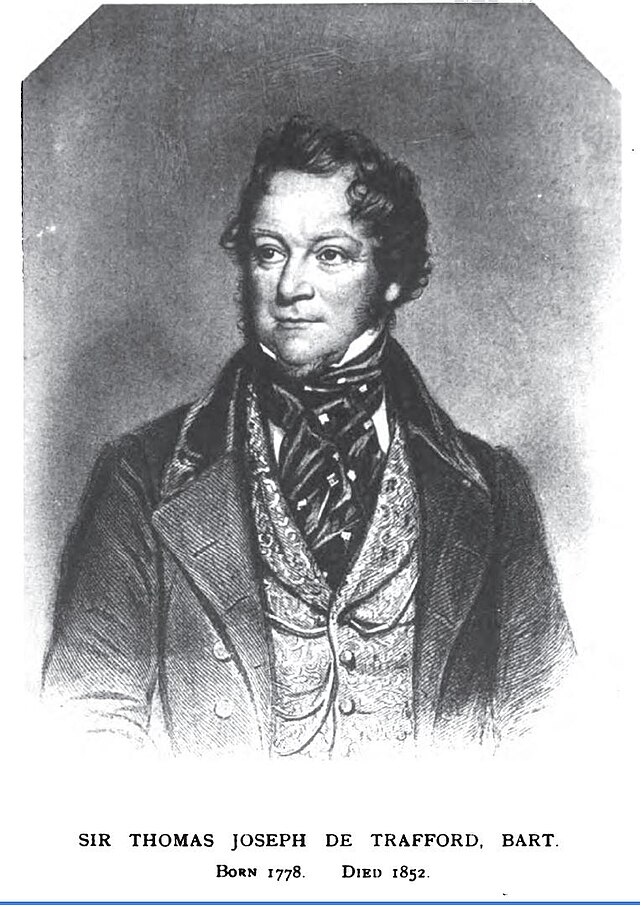 Thomas Joseph Smith (Sudocrem)Heritage attraction · 1552 yd
 Graveyard in Monkstown HousefarmGraveyard · 1.3 mi