What is recorded here
In the centre of a T-junction, embedded in a low concrete island surrounded by small stones embedded in the cement with cement kerbing. The bullaun stone, an amorphous boulder (diam. 0.44m x 0.5m) with two, roughly circular depression, the largest (diam. 0.19m x 0.2m; D c. 0.1m) and the smaller (diam. 0.17m x 0.15m; D c. 0.7m). The bullaun stone has been painted green. The boulder is limestone according to the Power (1908, 25) and is associated with St. Patrick who is supposed to have knelt on the stone, leaving an imprint of his knees (ibid).
Compiled by: Jean Farrelly
Date of upload: 26 August 2011
St. Patrick's Stone is likely associated with the early Christian period, possibly serving as a holy or ritual site linked to the veneration of St. Patrick or earlier pre-Christian traditions. Such bullaun stones were often used for ritual purposes, including the anointing of the sick or as pilgrimage markers, and may have had both Christian and prehistoric spiritual significance.
The monument record does not grant public access. Check the route and ask the landowner before entering private land.
- What survives
- Recorded monument
Places near here
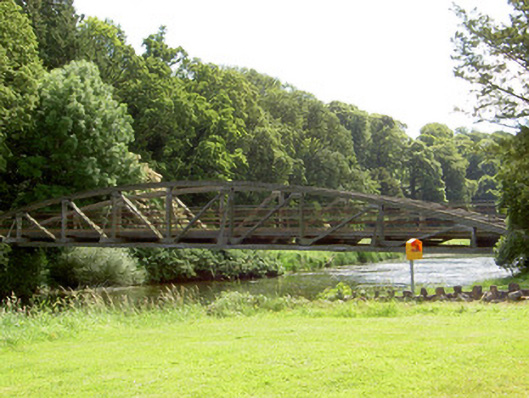 bridgebridge · 432 yd
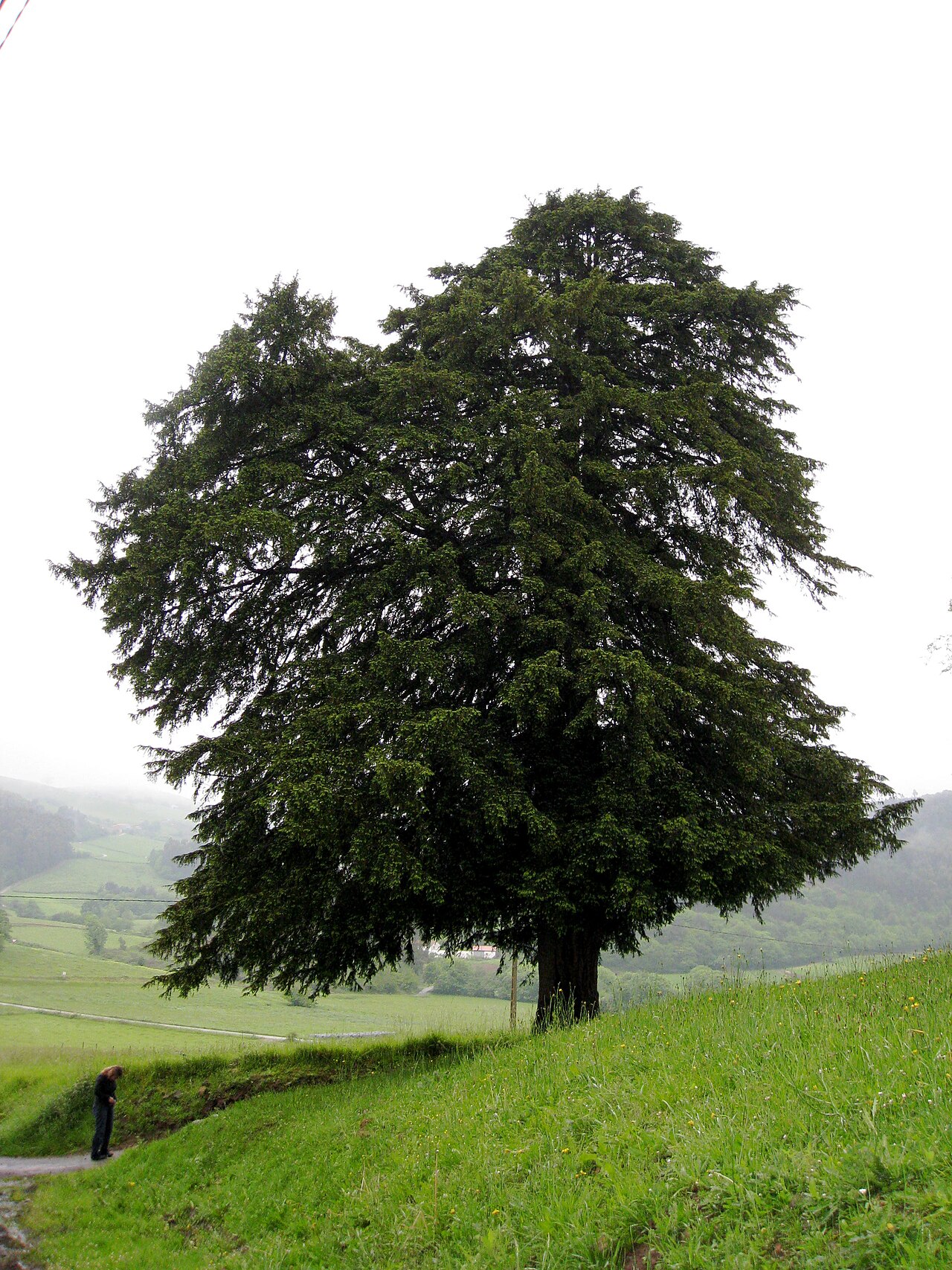 European YewEuropean Yew · 488 yd
 Swiss Cottagecottage ornee · 499 yd
 Cottagehill WoodForest · 563 yd
 Enclosure in LissakyleEnclosure · 585 yd
 Enclosure in Kilcommon More (north)Enclosure · 1020 yd
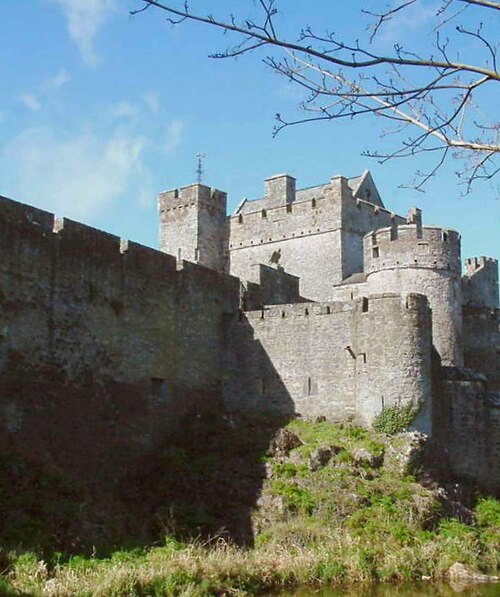 Cahir CastleHeritage attraction · 1.1 miSiege of Cahir Castlesiege · 1.3 mi
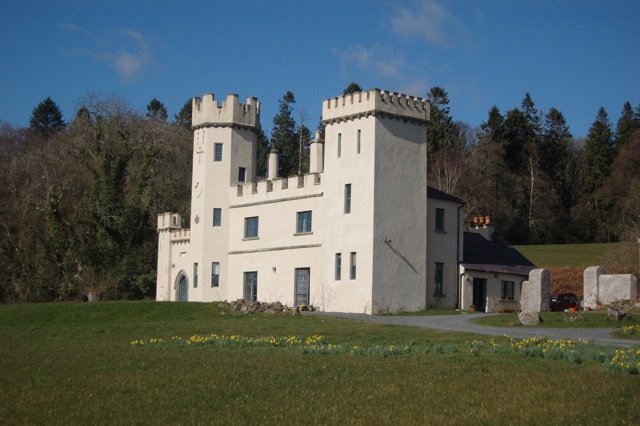 Castle (in ruins)Castle, unclassified · 1.3 mi
 Caher AbbeyHeritage attraction · 1.5 mi
 Site of CastleCastle, unclassified · 1.5 mi
 Woodcock HillMountain / peak · 2.4 mi