What is recorded here
Now located in the National Museum of Ireland, Dublin (DU018-295----) . Figure was discovered in the gardens of Kilmokea House, Great Island, Campile, and presumed to have come from adjacent cemetery (WX039-018006-) (Freitag 2004, 135). Described by Freitag as a 'wedge-shaped schistose slab (dims. H 0.84m; top Wth. 0.3m; bottom Wth. 0.25m) with headstone inscription (reading: 'MB.D. 12 March 1705.a 72') on one side and Sheela on the other. Figure crude and somewhat atypical; defined by grooves roughly describing figure of woman. Head shaped like an American football, without facial features, connected to torso by most remarkable big hole (c.4 cm deep). The only other Sheela with hole in that position is Seir Kieran. Angular shoulders; two neatly carved holes in chest area indicating breasts; straight arms reaching down to genital area; legs apart and straight, no feet. Traces of a horizontal and two vertical lines between legs' (Freitag 2004, 135).
Compiled by: Caimin O'Brien.
Date of upload/revision: 05 June 2012.
Dated to the 10th–13th century, the Sheela-na-gig is likely associated with medieval Christian Ireland, though its exact function remains unclear. It may have had a symbolic or ritual role, possibly linked to fertility or warding off evil.
The monument record does not grant public access. Check the route and ask the landowner before entering private land.
- What survives
- Recorded monument
Places near here
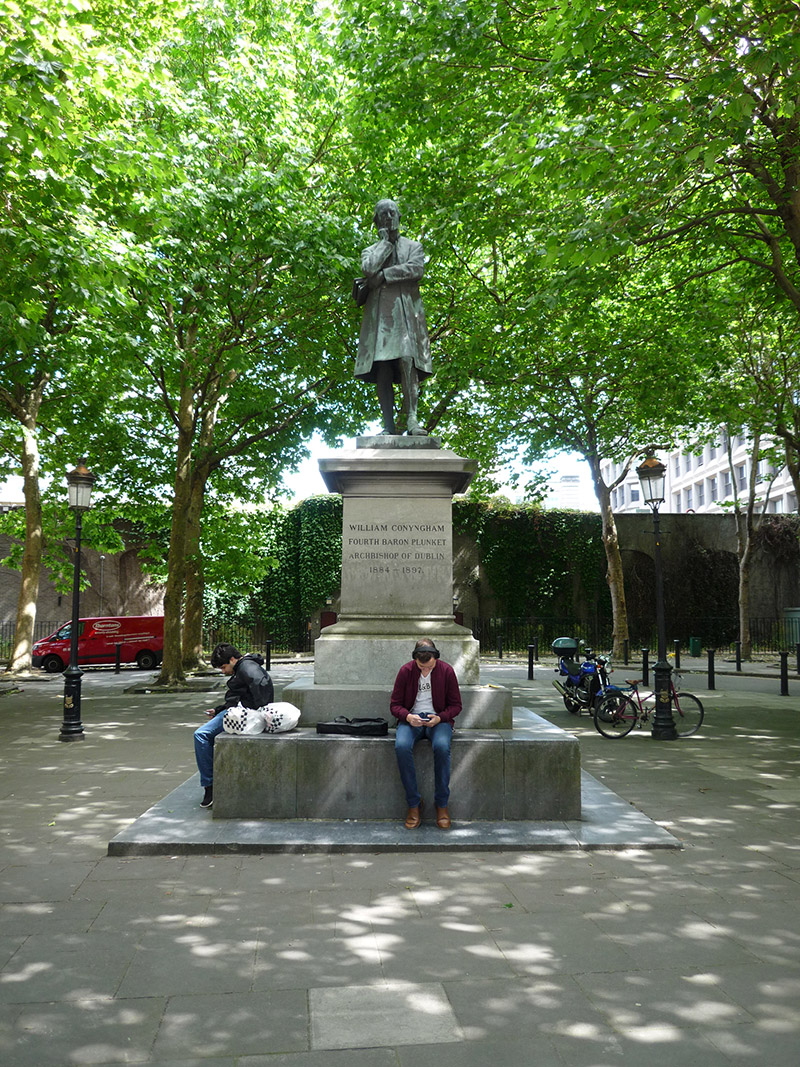 Archbishop Plunket Memorialmonument · 57 yd
 Dept. of Enterprise & Employment\Dept. of Cultureoffice · 68 yd
 The Soup BowlMemorial · 179 yd
 National Gallery of IrelandMemorial · 212 yd
 Dublin MillenniumMemorial · 240 yd
 The Little Museum of DublinMuseum · 259 yd
 O'Donovan RossaMonument · 388 yd
 St. Patricks WellHoly well · 391 yd
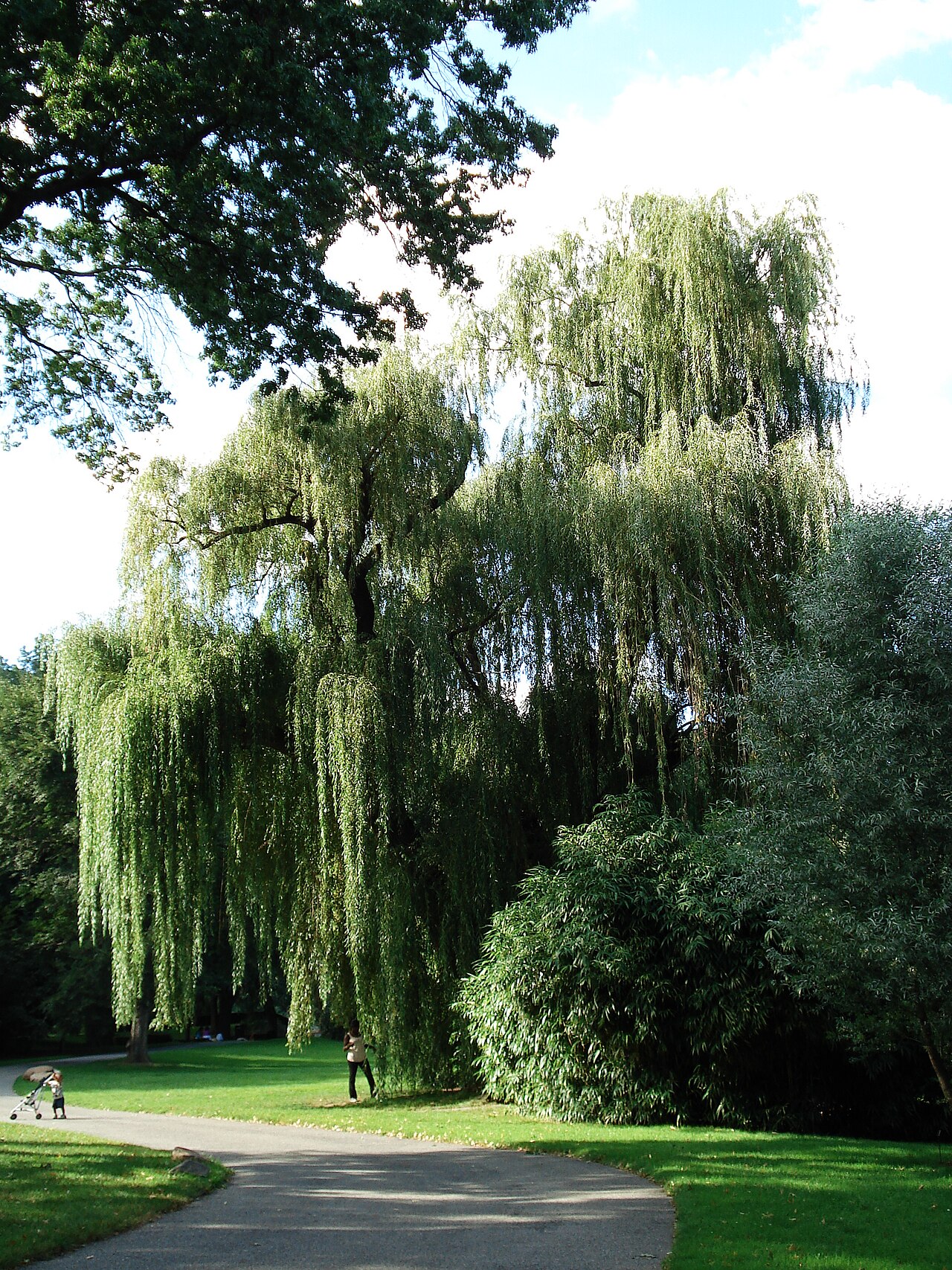 Weeping willowWeeping willow · 395 yd
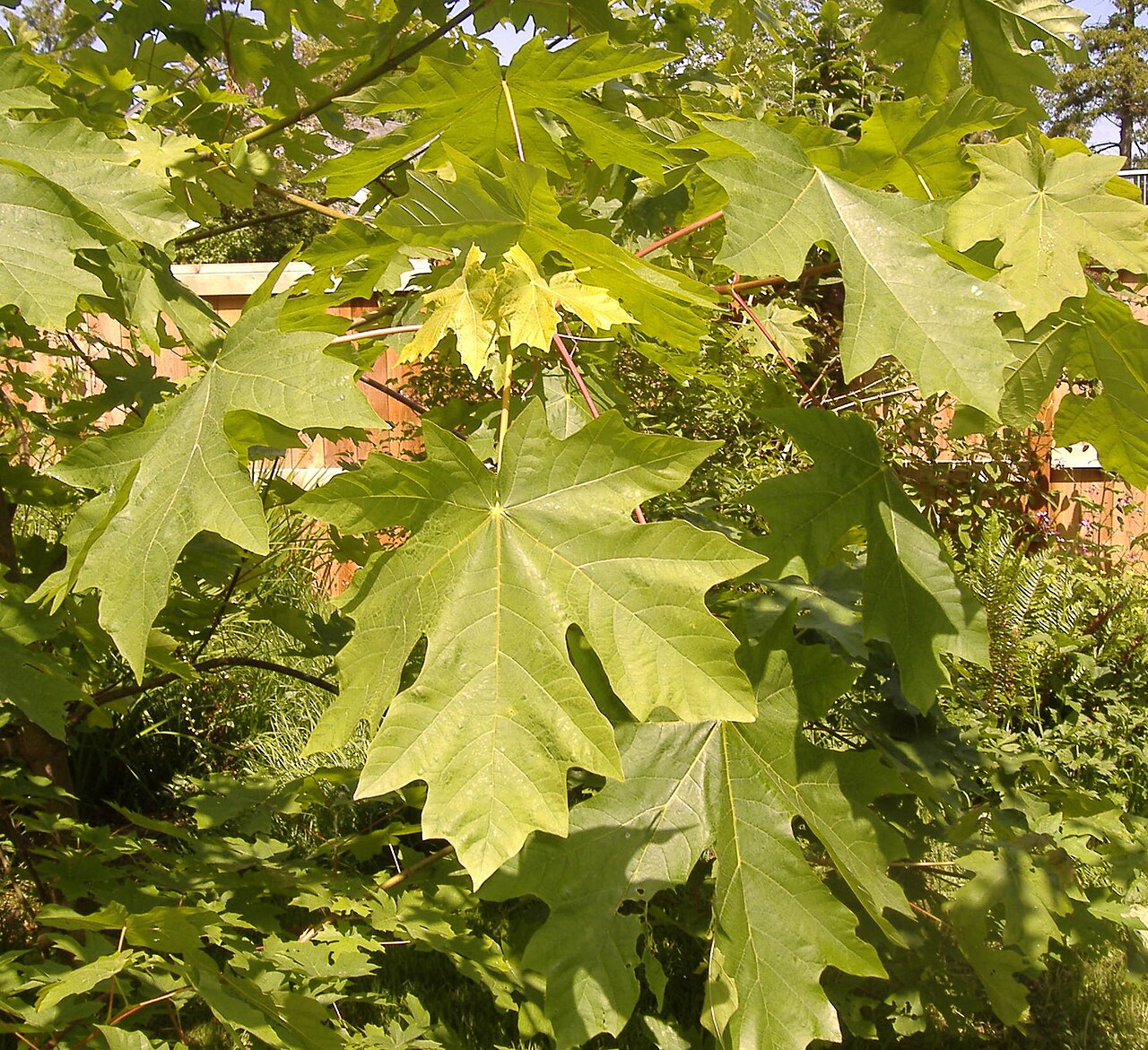 Bigleaf MapleBigleaf Maple · 502 yd
 Battle of DublinMajor battlefield · 866 yd
 Tourist Information CentreVisitor information · 950 yd