What is recorded here
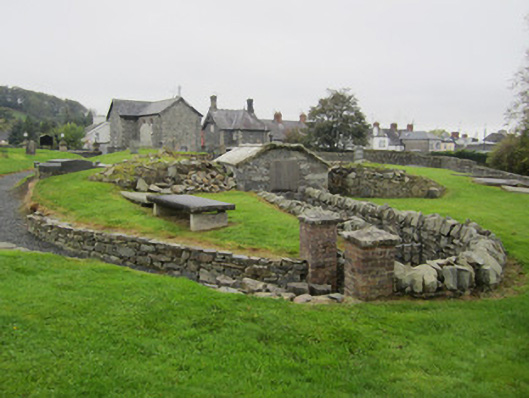
Partly subterranean crypt, dated 1880, but possibly incorporating earlier monument of c.1834, when Thomas Andrew, 11th Lord Blayney, whose remains are apparently interred there, died. Roughly squared limestone walls and limestone flag roof. Passageway with rubble limestone retaining walls to front of mausoleum, having square brick piers to wrought-iron pedestrian gate, monument and passage set into cairn-like mound. Inscribed limestone plaque with top corners having cavetto chamfers, fixed to west end of mausoleum. Plaque reads 'This vault contains the bodies of Thomas Andrew, eleventh Lord Blayney, and some other members of the Blayney family AD 1880'. Table-top tomb to south-east. Sited to northern end of Saint Maeldoid's churchyard.
This large and impressively landscaped mausoleum was built of traditional memorial materials without opulent polished or imported stone. It commemorates the individual who, during his fifty years at the helm of the Blayney Estate had the greatest impact on the built heritage of Castleblayney, a large proportion of the architecturally significant private, civic and estate structures originating at this time.
This does not grant access. Most recorded buildings are privately owned; view them only from public ground unless the owner allows entry.
Places near here
 St. Maeldoids ChurchChurch · 14 yd
 Hope Castlegate lodge · 54 yd
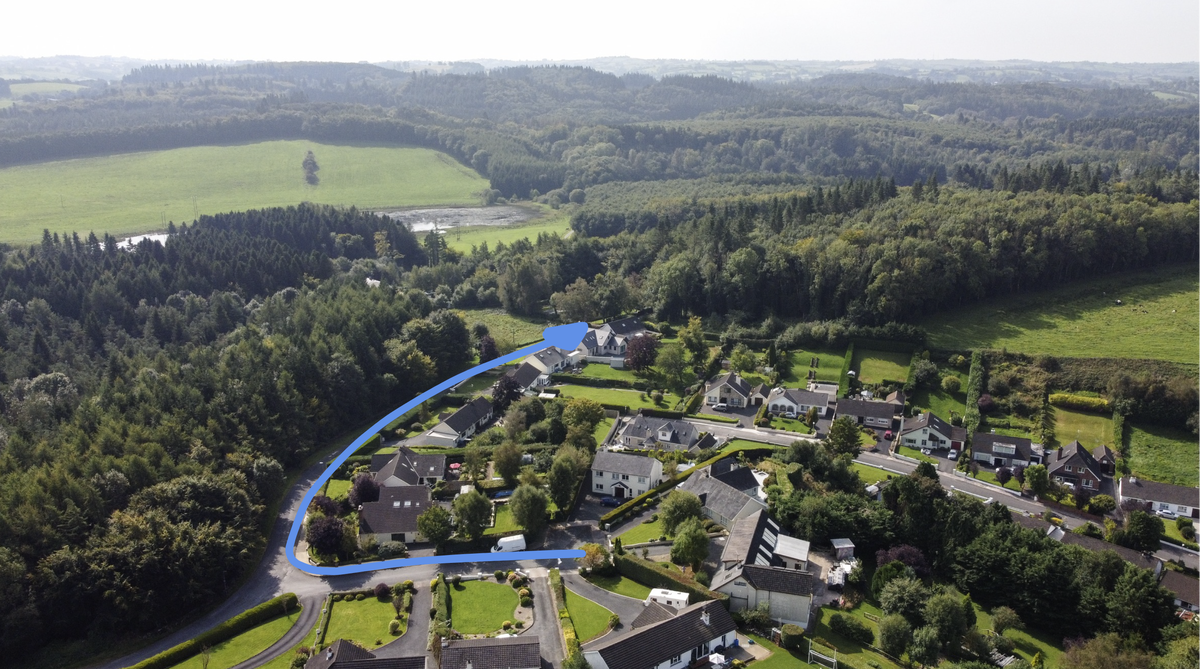 Bawn in OnomyBawn · 142 yd
 Blaney CastleCastle · 188 yd
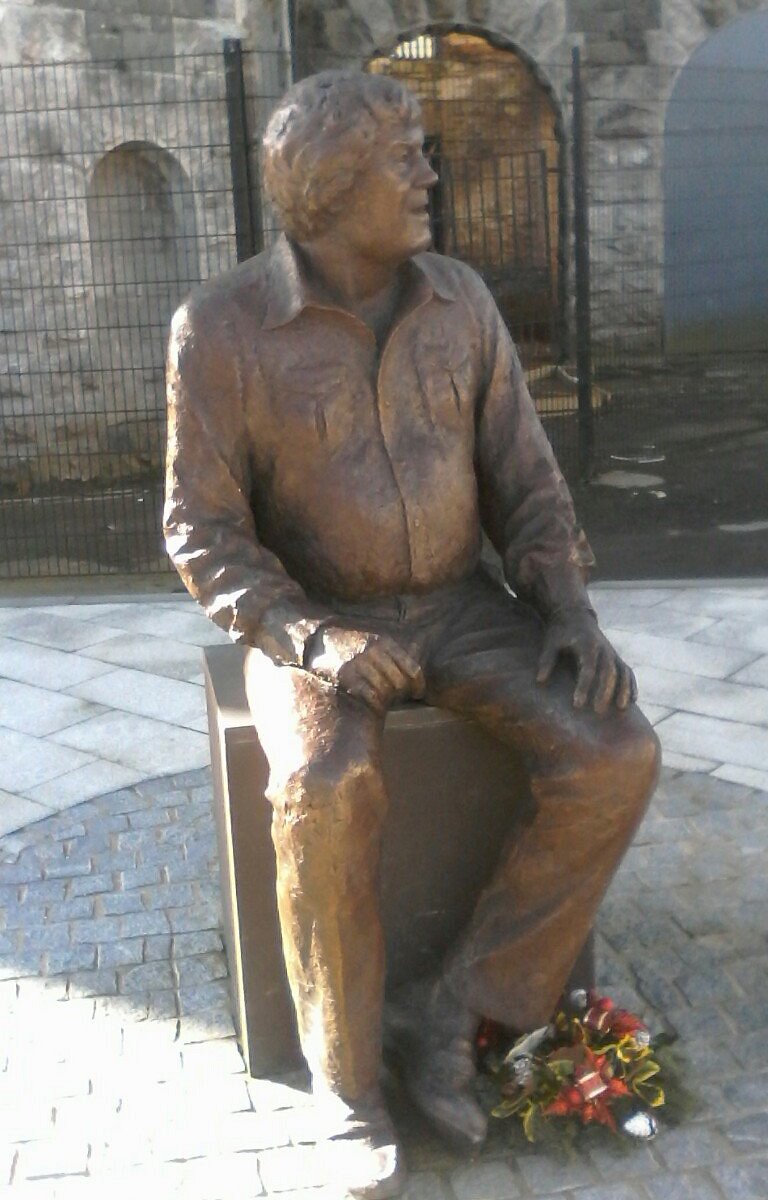 Big Tom Memorial StatueMemorial · 324 yd
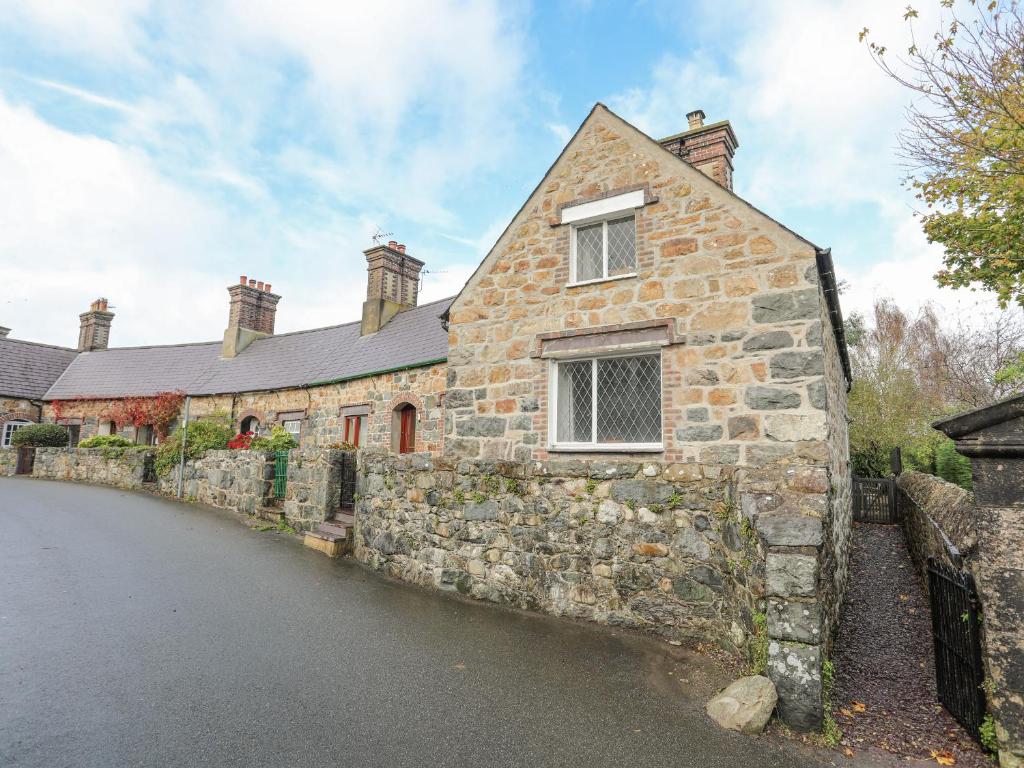 The CrescentMemorial · 1076 yd
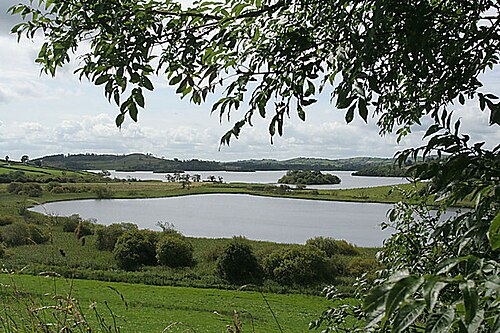 Lough MucknoLake and park landscape · 1491 yd
 Harper's IslandIslet · 1591 yd
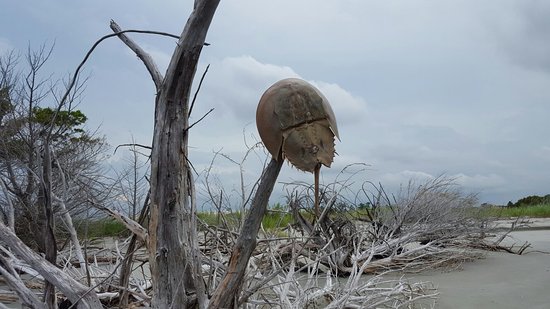 Otter Island (South)Islet · 1630 yd
 Fortification in ConcraFortification · 1.3 mi
 Dairy HillMountain / peak · 1.4 mi
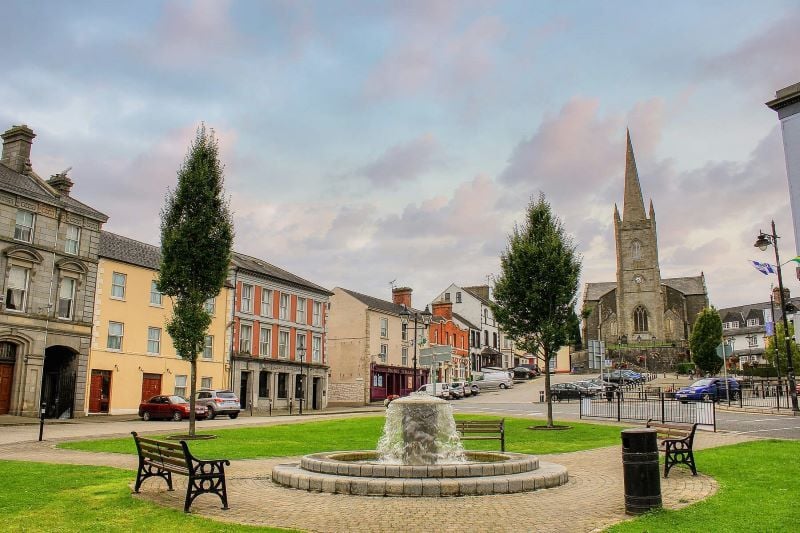 Monaghan WayWalking route · 1.5 mi
Other information
Photo: National Inventory of Architectural Heritage · Website use allowed for educational or private purposes with source credit