What is recorded here
Mullamast Castle in County Kildare concealed the stone within its walls until demolition exposed the hidden markings. Men carried the heavy block to the National Museum of Ireland in 1903, removing it from the ruins and placing it where anyone might see the spirals, triskeles and zig-zag lines cutting through its four sides. It has travelled from a forgotten castle to a public room, still holding the shape and purpose given it during the Iron Age.
This stone originally had been incorporated into the castle at Mullamast, Co. Kildare (KD036-018----), from which it was recovered in the 19th century when the castle was demolished (FitzGerald 1903-5, 245) (see KD036-041----). It was moved to the National Museum of Ireland in 1903 (DU018-175----). The stone is aproximately square in section (H 0.9m; W 0.4m) and has Iron Age decoration on four sides comprising motifs that include spirals, double spirals, trumpet curves, lentoid motifs, triskeles, and a zig-zag or step pattern. (FitzGerald 1903-5; Raftery 1984, 297-98).
Compiled by: Paul Walsh
Date of upload: 18 March 2014
The rock art likely dates to the Bronze Age (c. 2500–500 BCE) and may represent symbolic or ritual imagery, possibly linked to early Celtic or pre-Celtic traditions. Its original use and specific meaning remain unclear, though it was later repurposed as a building material in the medieval castle.
The monument record does not grant public access. Check the route and ask the landowner before entering private land.
- What survives
- Recorded monument
Places near here
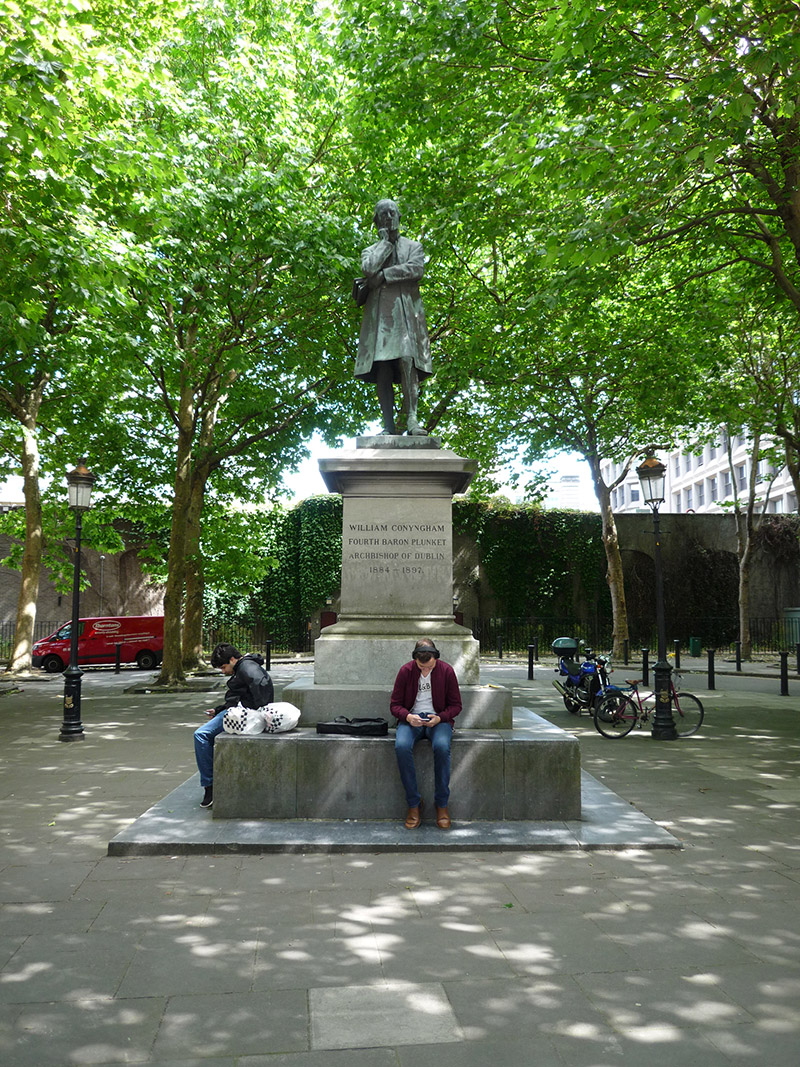 Archbishop Plunket Memorialmonument · 57 yd
 Dept. of Enterprise & Employment\Dept. of Cultureoffice · 68 yd
 The Soup BowlMemorial · 179 yd
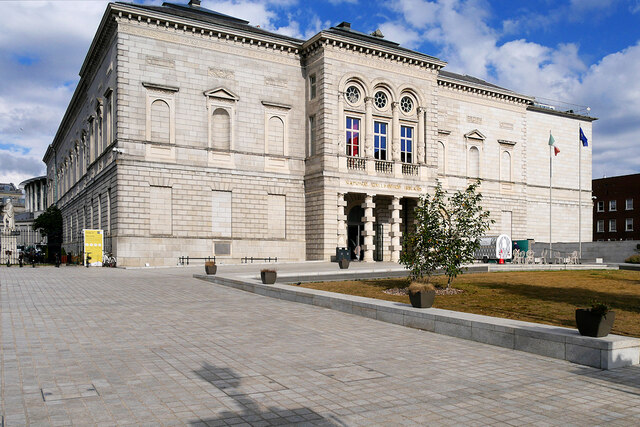 National Gallery of IrelandMemorial · 212 yd
 Dublin MillenniumMemorial · 240 yd
 The Little Museum of DublinMuseum · 259 yd
 O'Donovan RossaMonument · 388 yd
 St. Patricks WellHoly well · 391 yd
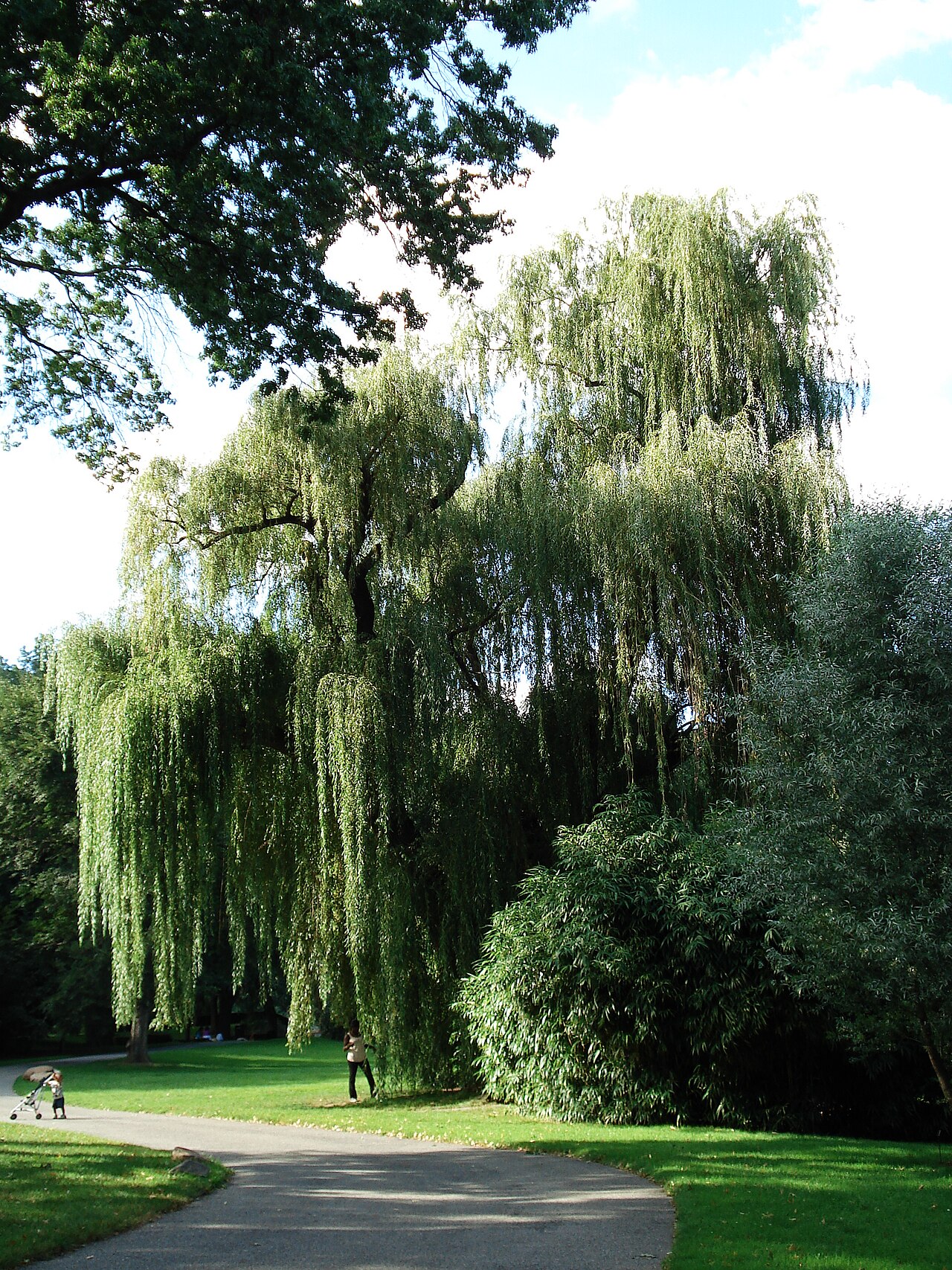 Weeping willowWeeping willow · 395 yd
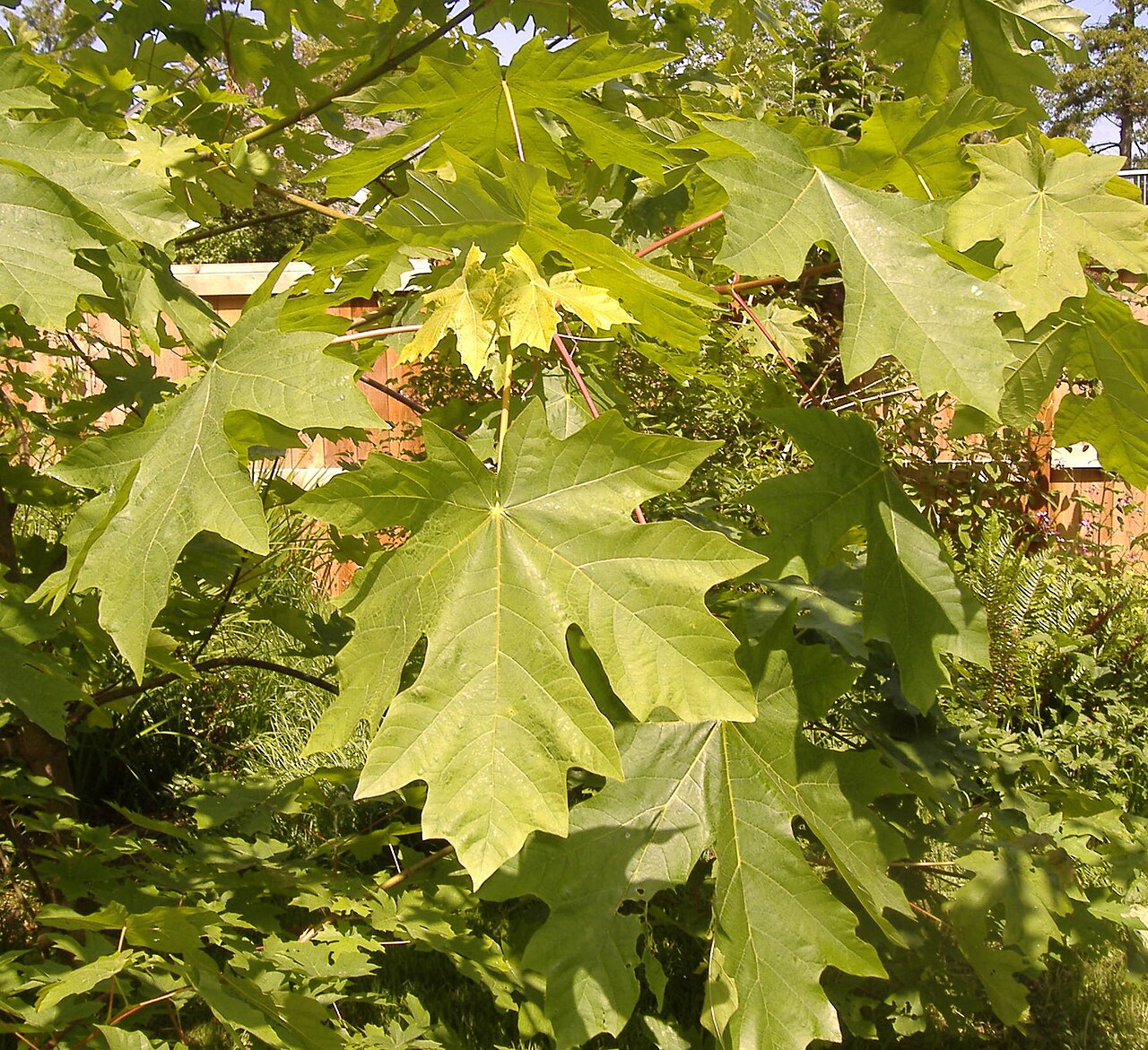 Bigleaf MapleBigleaf Maple · 502 yd
 Battle of DublinMajor battlefield · 866 yd
 Tourist Information CentreVisitor information · 950 yd