What is recorded here
Mothel field wall surrendered a smooth sandstone boulder decorated with fifteen cup-and-ring motifs, now mounted in the Stone Corridor at University College Cork. The original location remains unknown, but the preserved marks suggest someone shaped stone long before written records. Canon Patrick Power acquired the boulder and passed it to UCC, where it still faces visitors with quiet confidence.
This stone with rock art motifs was found in a secondary position in a field wall in Mothel, Co. Waterford and is currently on permanent display in the Stone Corridor in University College Cork. Its original location is not known. For details see WA007-054----.
Compiled by: Archaeological Survey Unit, UCC.
Date of upload: 20 January 2010
Located indoors, at W end of ‘Stone Corrridor’, Aula Maxima, Ground Floor, University College Cork. Well-preserved and mounted upon a custom-made metal shelf. A smooth and unfractured sandstone boulder (dims. 0.63m E-W; H 0.56m; max. T 0.29m) which is subrectangular in plan and has an irregular decorated surface (dims. 0.40m E-W; H 0.40m) which is displayed upon wall as S-facing. There are fifteen motifs concentrated upon the lower portion of the stone. The decorative elements consist of eight similar sized cup-and-ring motifs (overall diam. 8-9cm; ring Wth 1cm, D 3-4mm; cup diam.3-4cm, D 4-5mm) and a larger cup-and-ring motif (overall dims. 15cm E-W; 14cm N-S; ring Wth 1cm, D 3-4mm; cup diam. 5cm E-W; 4cm N-S; D 1mm). The cup-and-ring motif at SW has traces of an outer ring (overall dims.12cm N-S; 11cm E-W) which appears to be conjoined with three surrounding cup-and-ring motifs to N, NE and E. Three cupmarks (dims. 4cm x 3cm; D 3-4mm) are situated toward lower edge of stone. A line of three pickmarks (diam. 3-8mm; D 3mm) on W side of stone. This example of rock art was originally from Mothel, Co. Waterford and was initially acquired by the Rev. Canon Patrick Power before being donated to UCC.
Compiled by: Alison McQueen and Vera Rahilly
Date of upload: 13 July 2017
This rock art likely dates to the Neolithic or Bronze Age periods (c. 4000–500 BCE) and may have had ritual or symbolic significance, possibly linked to territorial markers, spiritual beliefs, or ancestral commemoration. Its repositioning in a field wall suggests later reuse, while its current display highlights its cultural and archaeological value.
The monument record does not grant public access. Check the route and ask the landowner before entering private land.
- What survives
- Recorded monument
Places near here
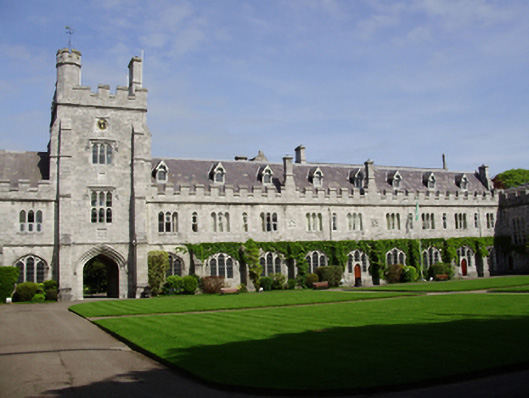 The Quadrangleuniversity · 11 yd
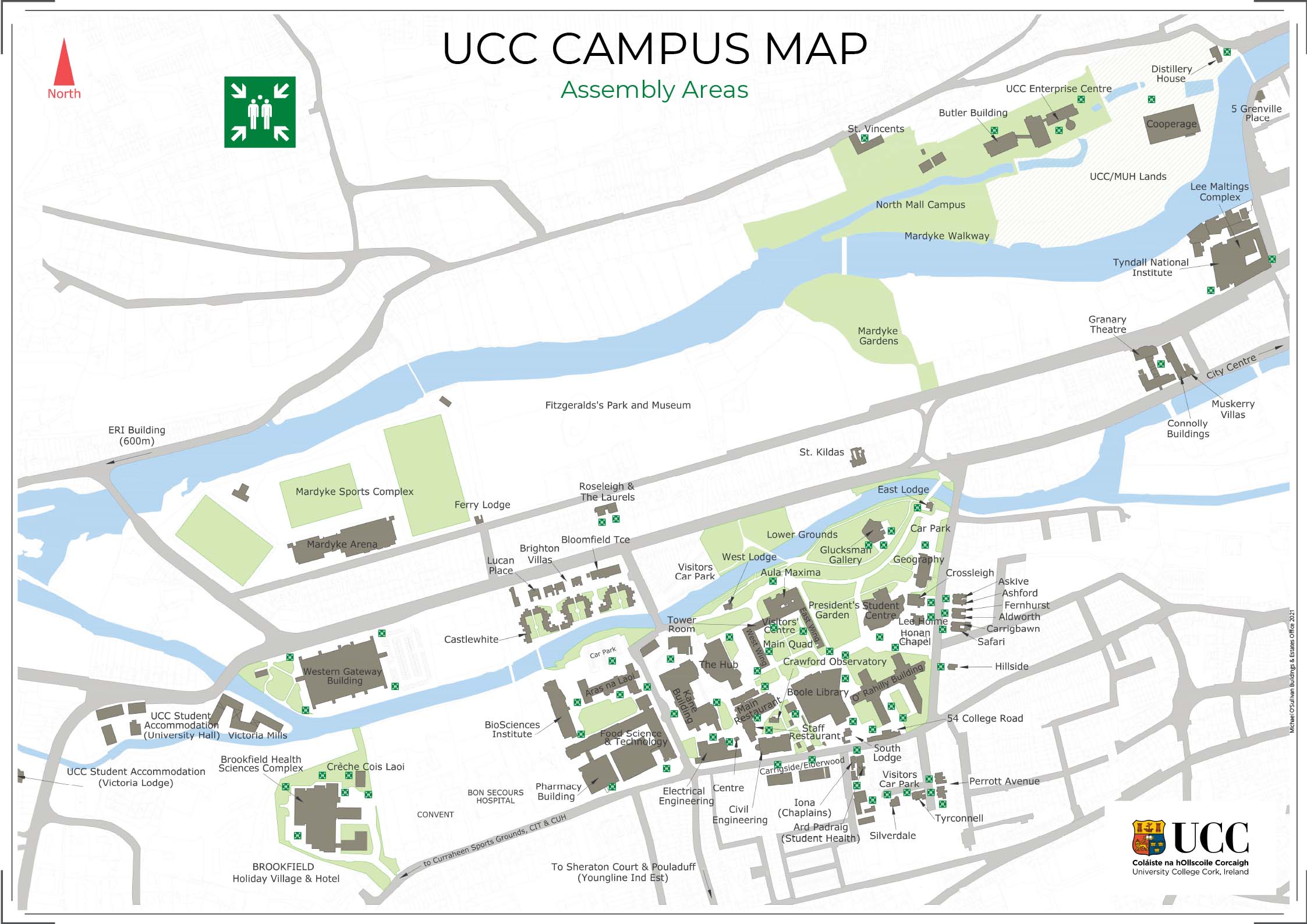 UCC Visitors CentreVisitor information · 30 yd
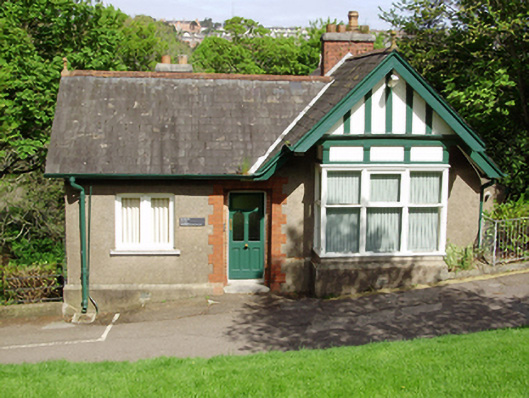 West Lodgegate lodge · 48 yd
 George BooleMemorial · 92 yd
 Cork WalksVisitor information · 117 yd
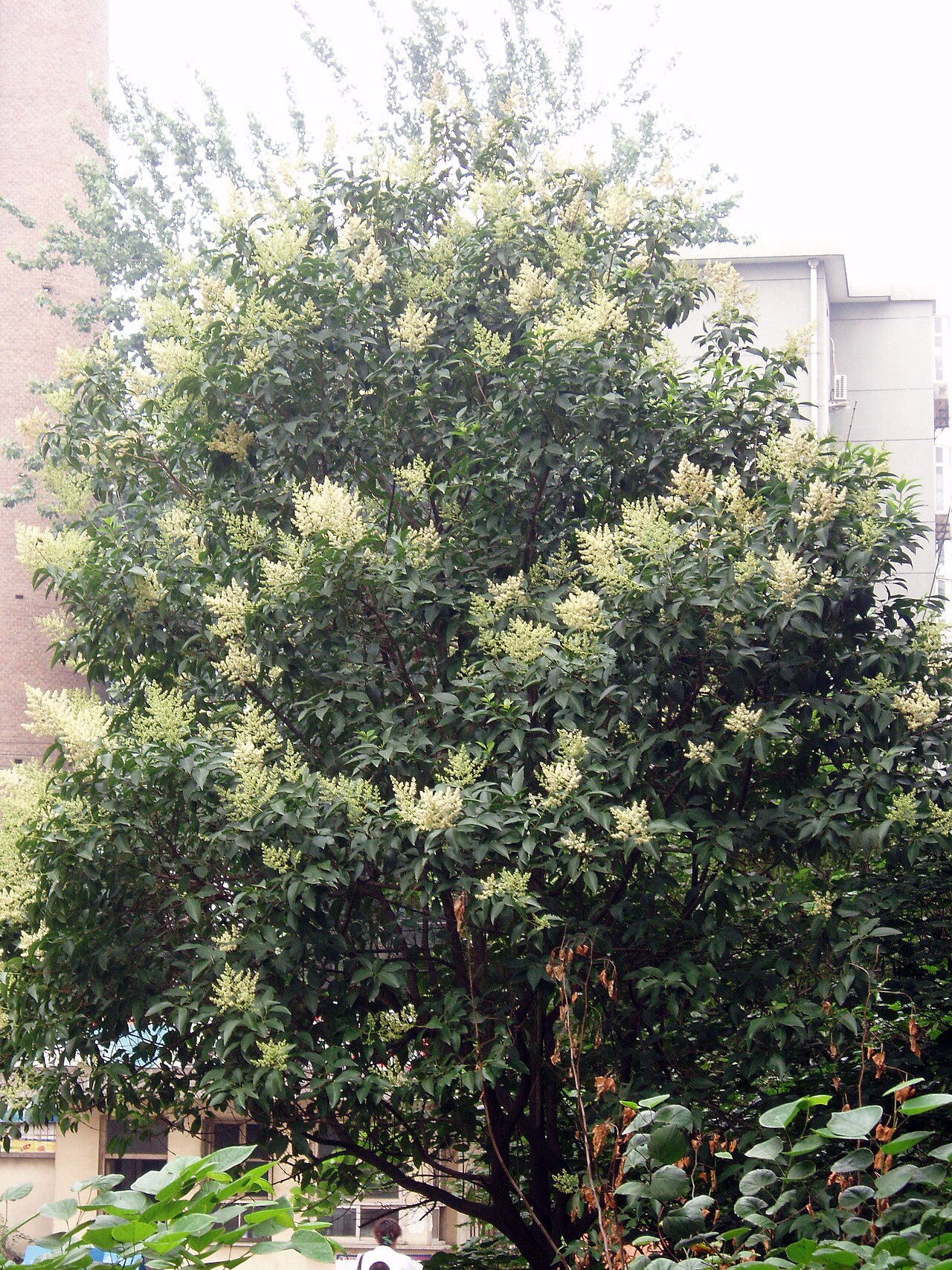 Glossy privetGlossy privet · 129 yd
 John Joe KavanaghMemorial · 144 yd
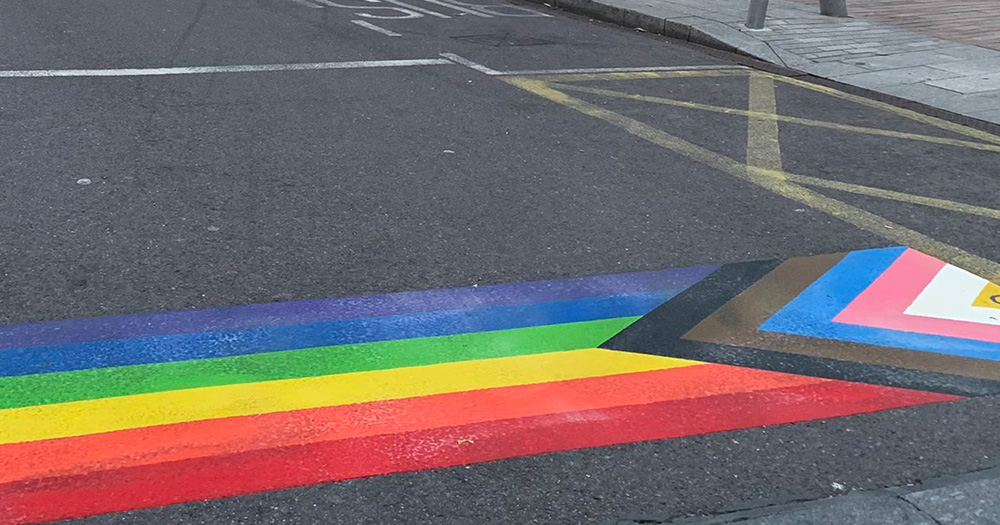 Rainbow Pride WalkwayHeritage attraction · 158 yd
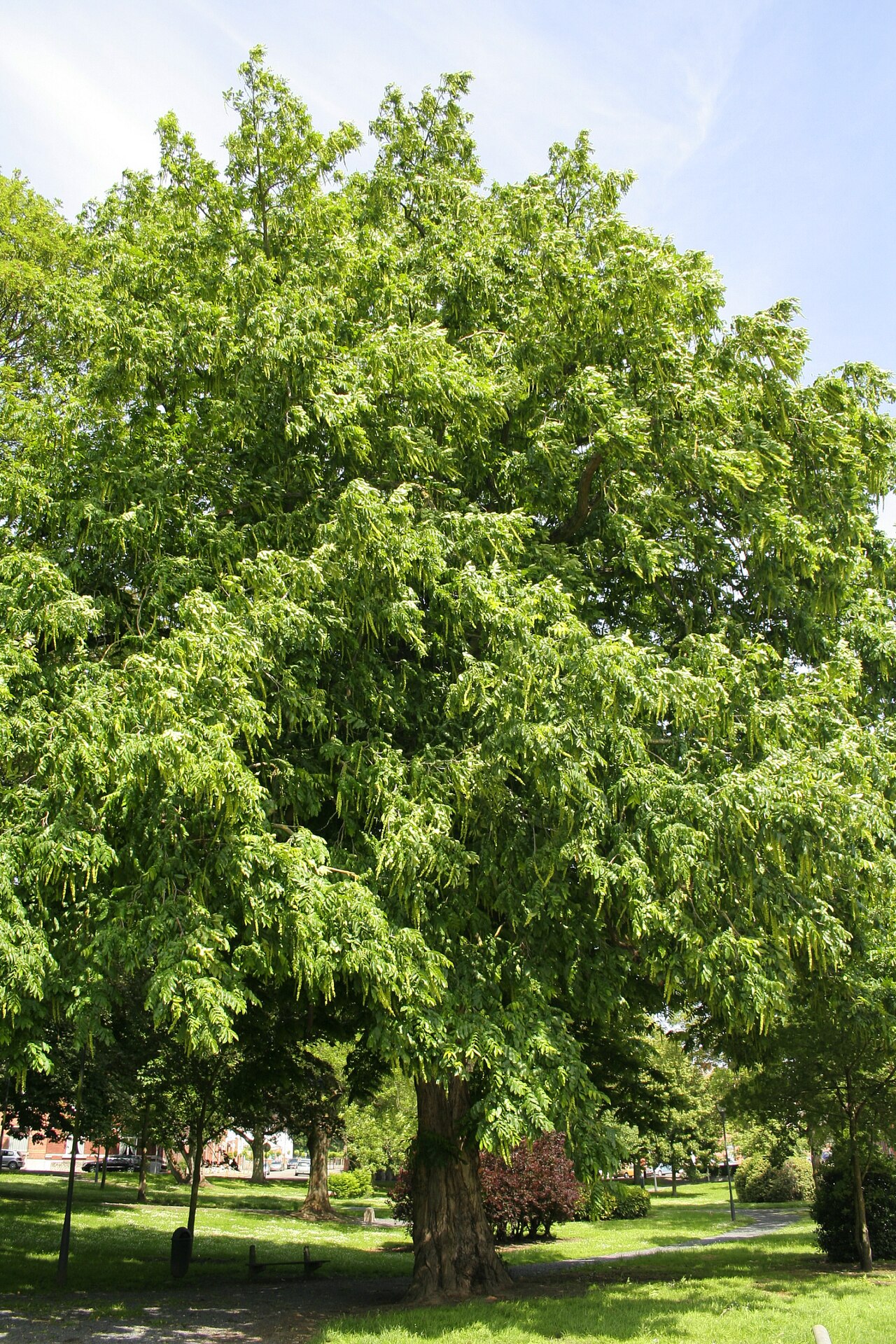 Caucasian WingnutCaucasian Wingnut · 163 yd
 Glucksman GalleryMuseum · 224 yd
 Passage tomb art (present location) in Cork CityPassage tomb art (present location) · 358 yd
 Gill Abbey (Site of) (1949-50)Religious house, Augustinian canons · 391 yd