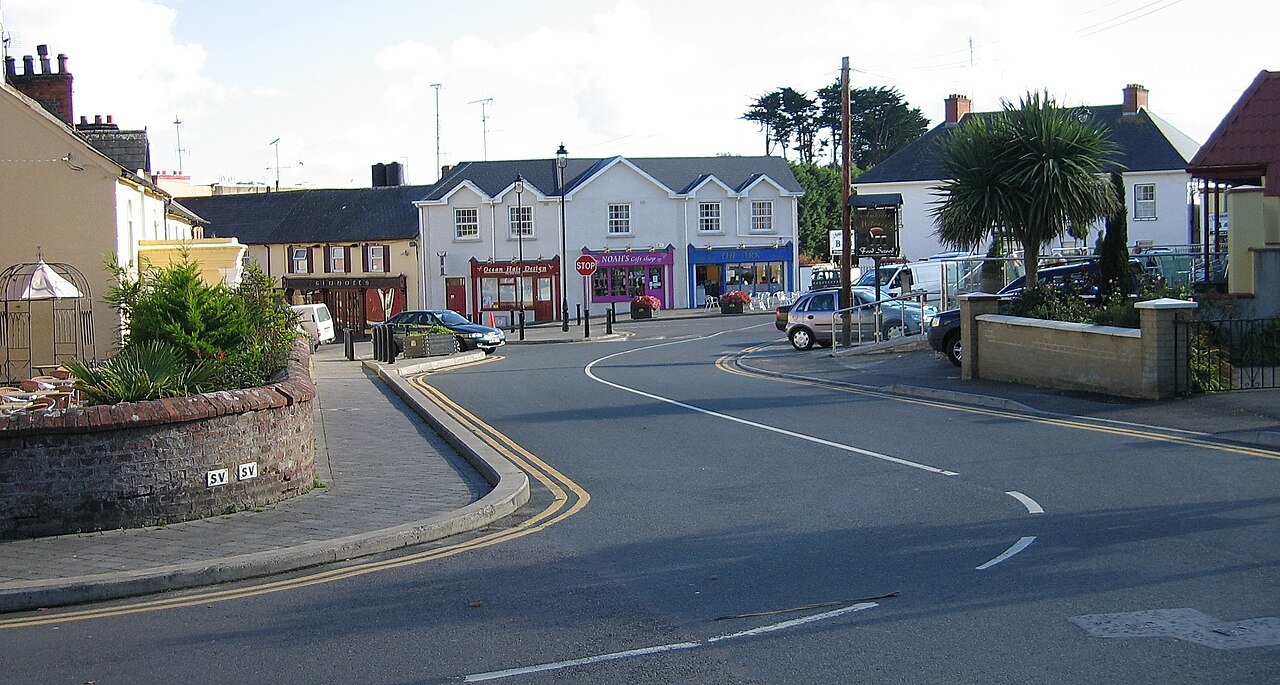
Add your own picture and explain the route, parking, gates, paths or landmarks that help people find it.
Earn 5 points after the picture is checked and accepted.
Add your photo and local directionsShare what you foundWhat is recorded here
A community of Franciscan friars from the supressed friary at Trim (ME036-048025-) became established at Meadstown early in the 18th century on a leased farm that became known as Courtown Friary. They provided pastoral care to the medieval parishes of Bective, Rataine, Churchtown, Clonmacduff, Moymet, Tullaghanoge, and Kicooley, which became the modern parish of Dunderry. The first known prior was Fr. Francis Fay (1720-43), and as well as the cure of Dunderry they provided priests for other parishes. The last friar was Rev. Patrick Ryan, who died in 1826, after which the friary was discontinued and their effects were moved to the Franciscan friary at Multifarnham, Co. Westmeath. The friars were buried in the graveyard at the Black Church in Meadstown (ME030-009001-) where two headstones in the SE of the graveyard commemorate them. There is no evidence of any structures at the friary site that could have been connected with them. (Cogan 1862-70, 1, 121-4, 311; Conlon 2014)
Archaeological testing (15E0027) by J. Stirland just to the S produced no related material (excavations.ie 2015:102) and archaeological testing (09E0060) by M. Tierney c. 100m to the E had a similar result (excavations.ie 2009:640).
Compiled by: Michael Moore
Date of revised upload: 17 April, 2019
Amended: 25 March 2021
The monument record does not grant public access. Check the route and ask the landowner before entering private land.