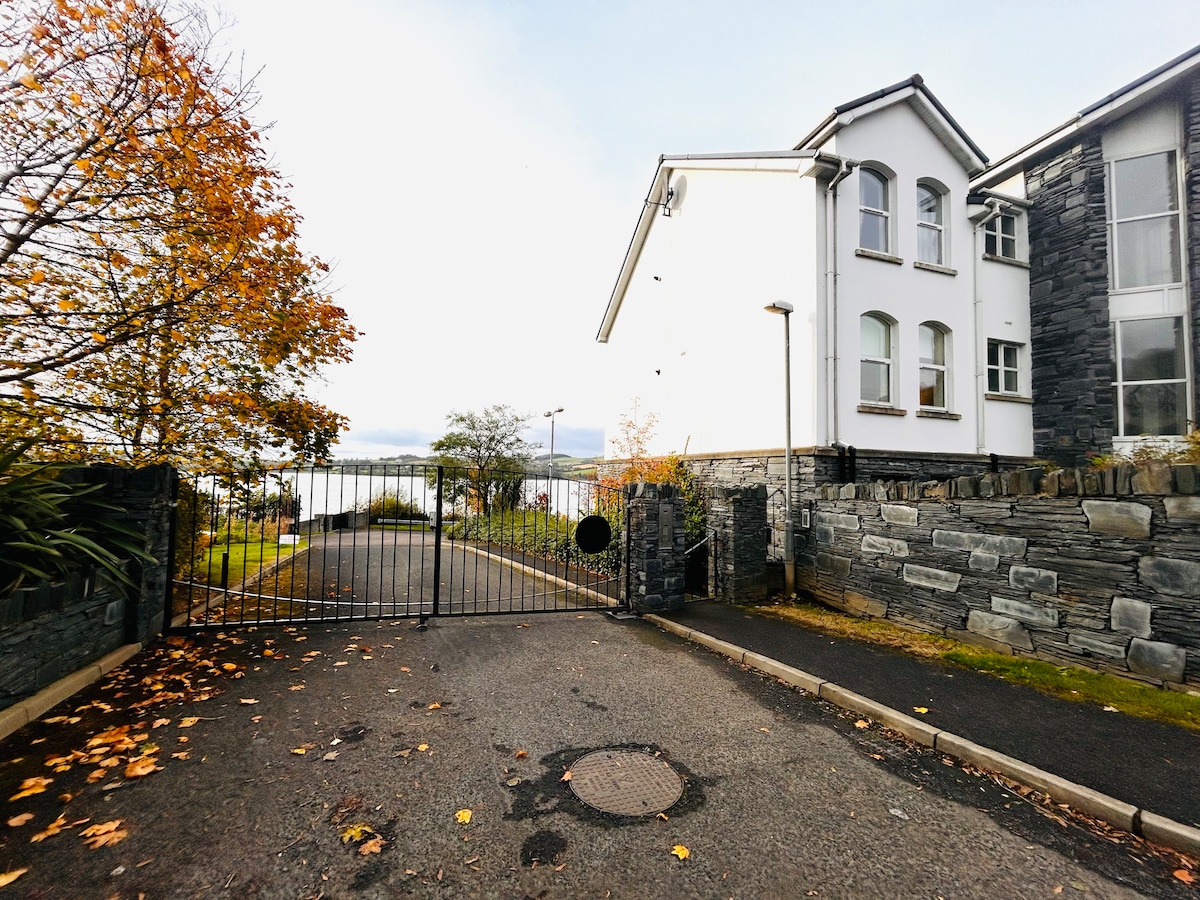
Add your own picture and explain the route, parking, gates, paths or landmarks that help people find it.
Earn 5 points after the picture is checked and accepted.
Add your photo and local directionsShare what you foundWhat is recorded here
Described by Ó Muirgheasa in 1936 as 'St. Mura's Holy Well is at Fahan. A turus is made there on the 12th March, St. Mura's festival; it is called Turus Fathana. St. Mura died 645 A.D. His crozier is in the National Museum, Dublin, and his bell in the Wallace collection, London. The well and "station are contiguous to each other; the former close to the Lough Swilly Railway near St. John's, the residence of Mr. Olphert; D.L.; the latter is in a field belonging to the same gentleman, and adjoins his garden; both are easily distinguished. Many miracles are spoken of traditionally as the result of the pilgrimages, but the record of miracles mentioned by Colgan is lost. It should be mentioned that the Holy Well of Fahan owes its preservation at the present day to the large-hearted reverence of a native of Inishowen, a gentleman, who, by the way, does not share the religious belief of the pilgrims who crowd the spot; it was he who prevailed upon the engineers of the Lough Swilly Railway to respect the Holy Well in fixing the curvature of the line. Consequently, to the former owner of St. John's, Major Marshall, J.P., aided by the active intervention of the worthy and venerated parish priest of Fahan, the late Rev. Bernard M'Eldowney, we owe the saving of the well from destruction. Major Marshall caused an ornate brick covering to be built over the well; but the vandalism, which had formerly, as Colgan says, effaced the remains of antiquity from the place, was still sufficiently rampant to tear down even the arched covering; and the fallen debris remains a monument to the ' rabidness of their fury.' " A fine photograph of St. Mura's Well appears in the " Ulster Journal of Archaeology" for 1908 or 1909' (Ó Muirgheasa 1936, 156-7). (Ó Muirgheasa no. 89).
Compiled by Caimin O'Brien
date of upload/revision: 02 November 2011
The monument record does not grant public access. Check the route and ask the landowner before entering private land.