Add your own picture and explain the route, parking, gates, paths or landmarks that help people find it.
Earn 5 points after the picture is checked and accepted.
Add your photo and local directionsShare what you foundWhat is recorded here
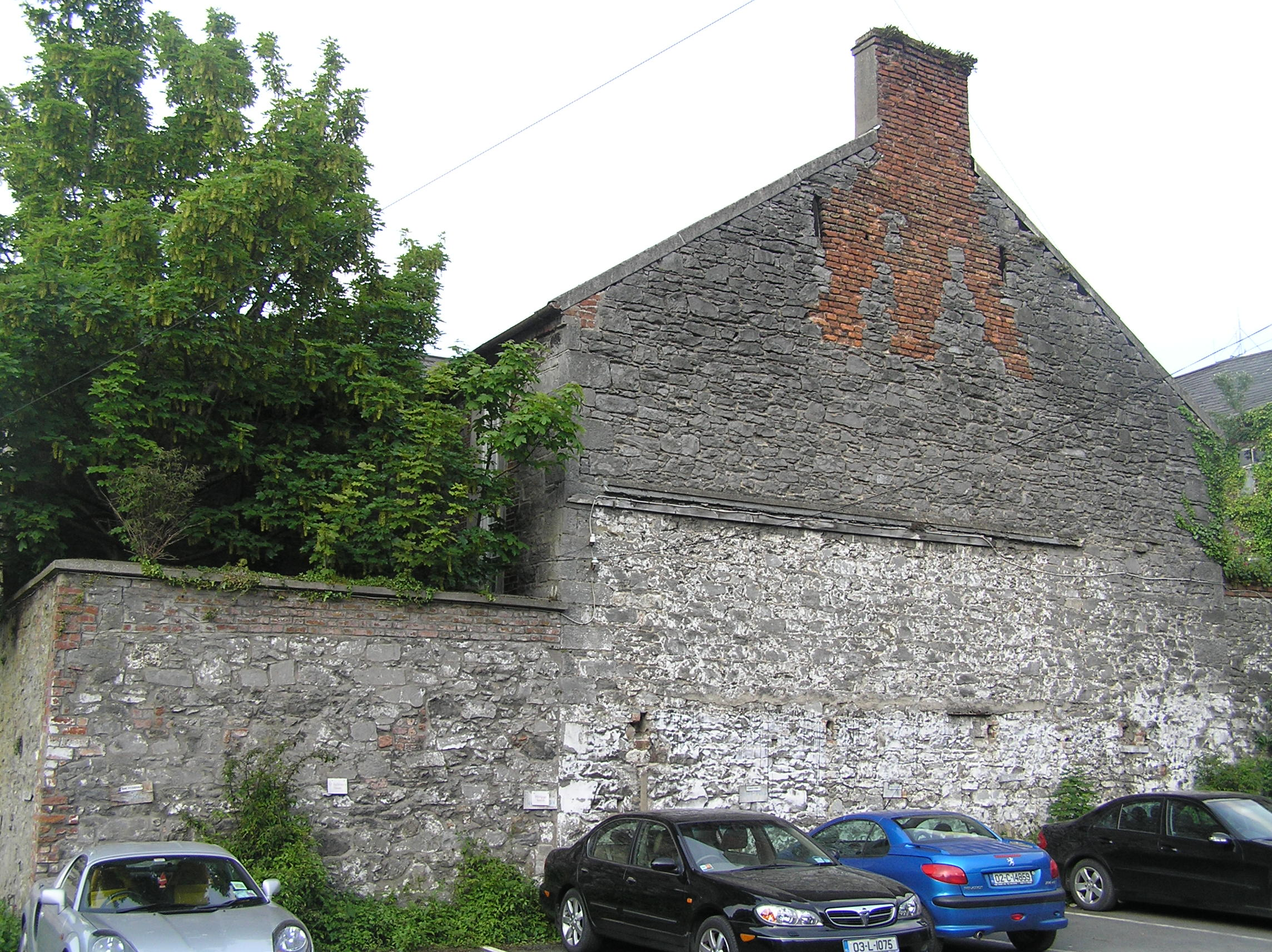
Detached six-bay two-storey rubble stone former Quaker Meeting House, built in 1806, on a back lane site accessed from Cecil Street through a curiously attractive Art Deco rendered screen wall. Gabled slate roof with partially rendered red brick chimneystack to south gable wall, which faces onto the site of the former Hartigan's Horse Repository. Cast-iron rainwater goods. Coursed rubble limestone walls throughout, painted at ground floor level, with squared tooled quoins. Rendered gable coping. Square-headed window openings throughout at first floor level only, with red brick surrounds, limestone sills, and replacement metal casement windows, c. 1960. One original six-over-six timber sash window over door opening to stair hall/entrance porch. Original window openings to east-facing lane elevation blocked-up shortly after the opening of the meeting house. Three-centred arch door opening to roughcast rendered porch, with plain rendered reveals, and replacement double-leaf raised and fielded panelled timber doors, profiled timber lintel and teardrop fanlight above. Meeting house accessed from Cecil Street by limestone flagged lane, which continues westward along north-facing gabled elevation and south along west-facing elevation where porch opening is located. The interior comprises a double-height meeting room accessed from porch and corridor to south, where access is also gained to two cloakrooms to south. Gallery supported on cast-iron columns with panelled timber parapet to south, and partitioned to north. Original joinery retained including flat-panelled shutters and nine-over-nine timber sash window, flat-panelled timber doors. Running mould cornices survive. Early or original open well staircase with attenuated turned timber balusters on pear shaped bases, with ramped handrail.
This official record and map point do not grant access. Most recorded buildings are privately owned; view them only from public ground unless the owner allows entry.