Add your own picture and explain the route, parking, gates, paths or landmarks that help people find it.
Earn 5 points after the picture is checked and accepted.
Add your photo and local directionsShare what you foundWhat is recorded here
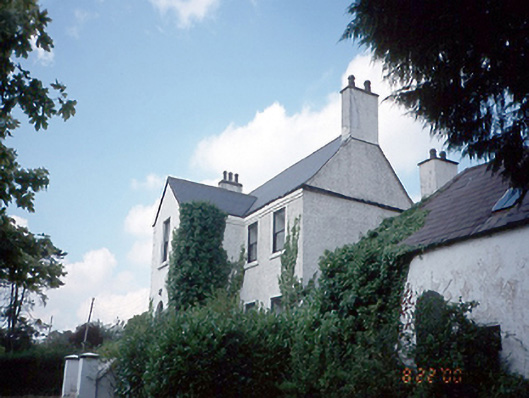
Detached five-bay two-storey over basement house, c.1740, flanked by wings leading to pavilions, and having central gable-fronted projecting entrance bay. Return to rear. Outbuildings to north and east. Archbishop John Troy was born in Annfield House in 1739. He was Catholic Bishop of Ossary in 1776 and in 1786 was elevated to the Archbishopric of Dublin on the death of his cousin Dr. John Carpenter. Troy built the Pro-Cathedral in Dublin during early nineteenth century.ROOF: Double pitched tiled roof with clay ridge tiles; rendered chimney stacks flush with gables with moulded clay pots; hipped slate roofs with clay ridge tiles to flanking pavilions and wings; rendered chimney stack to left wing; cast-iron rainwater goods; large curved angled chimney stack to rear. WALLS: Rough cast rendered walls with smooth rendered central porch with quoining; stepped cornice below gutters. OPENINGS: Square headed window openings, patent rendered soffits, reveals and painted stone cills surrounding single pane timber sash windows; round headed door opening; rendered soffits and reveals surrounding late 19th century timber panelled door; fanlight above timber lintel; door opening flanked by round headed sidelights with margin paned timber windows with stained glass.
This official record and map point do not grant access. Most recorded buildings are privately owned; view them only from public ground unless the owner allows entry.