What is recorded here
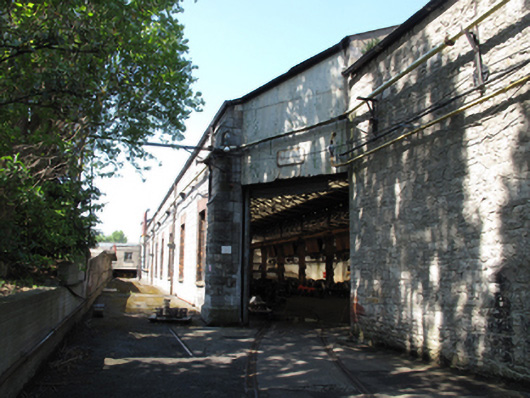
Attached eight-bay double-height former boiler shop, built c.1850, forming west end of south range of railway works buildings surrounding central yard, having raised bay to west end. M-profile pitched asphalt roof with some panels of corrugated sheeting as rooflights and cast-iron rainwater goods. Corrugated-iron roof to raised bay, render coping. Snecked dressed calp limestone walls with cut limestone quoins, cast-iron wall ties, rusticated corner buttress to front (east) of south elevation, rusticated limestone plinth course. Square-headed window openings with red brick block-and-start surrounds, masonry sills and timber framed windows to south elevation. Square-headed door opening set at an angle to south-east corner, with corrugated-iron over, cast iron plaque reading ‘FABRICATION SHOP’ and steel roller-shutter. Chamfered tooled cut stone reveals. Steel rails leading from doorway.
As the original boiler shop, this workshop was of paramount importance in the fabrication and repair of steam locomotives. Its form suggests an almost unplanned element to the development of Inchicore as an industrial manufacturing complex, with buildings constructed to cope with needs as they arose. This building is similar in form, fabric and character to its neighbouring buildings, providing continuity across the complex. The corner buttress is notable for its margined edges and well-cut blocks, typical features of railway bridges. As the building pre-dates the majority of railway bridges on the line, it may have been a test piece by masons. Red brick detailing is used to good effect to provide a pleasing visual and textural contrast with the limestone construction. The development of the Works was responsible for the transformation of this area from rural agricultural to an industrial village in the nineteenth century. The railway network transformed Ireland, linking remote areas in the country with urban settlements and ports, while promoting the commercialisation and industrialisation of larger towns.
This does not grant access. Most recorded buildings are privately owned; view them only from public ground unless the owner allows entry.
Places near here
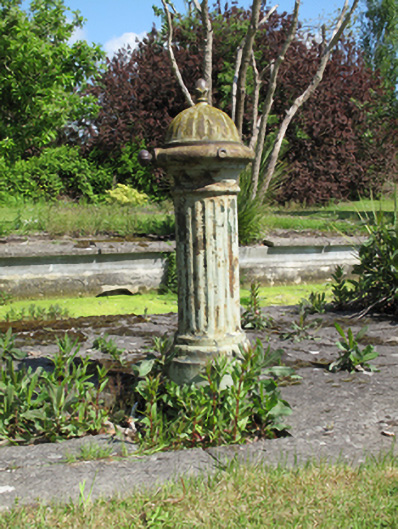 Inchicore Railway Workswater pump · 293 yd
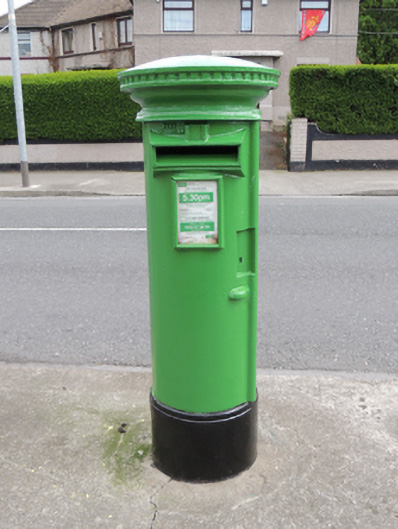 post boxpost box · 376 yd
 Burials (site of)Burial · 1041 yd
 Enclosure in Unknown TownlandEnclosure · 1086 yd
 Irish Citizen ArmyMemorial · 1110 yd
 Toni'sPicnic place · 1169 yd
 Carriglea Industrial EstateMemorial · 1389 yd
 Kilmainham Jail MuseumMuseum · 1554 yd
 Islandbridge LodgeVisitor information · 1737 yd
 Horse-chestnutHorse-chestnut · 1.3 mi
 Asian lionHeritage attraction · 1.4 mi
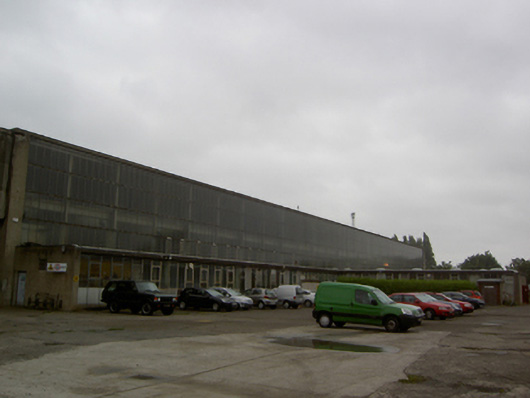 Office of Public Worksfactory · 376 yd
Other information
Photo: National Inventory of Architectural Heritage · Website use allowed for educational or private purposes with source credit