What is recorded here
Carrontlieve holds six shallow Bronze Age cists on flat Donegal land beside Lough Swilly, where O Riordáin recorded a sixth grave after others had already disturbed the first five. Most boxes contained nothing but empty stone chambers, yet the last held cremated remains of an adult and a juvenile spread across its floor. The cemetery is small, cramped and strangely incomplete, as if people placed what they could remember and left the rest behind for the lake wind to keep.
On flat land close to the E shore of Lough Swilly. Five short cists were identified here in 1960. O Riordáin undertook investigations on behalf of the National Museum of Ireland in the same year. During his the course of his work he identified and recorded a sixth.
The first was found at a depth of 0.65m below ground level. It was rectangular in plan (dims. 0.6m NE-SE; 0.4m NW-SE; H 0.47m) whose sides were defined principally by four slabs set on edge (max. T 0.075m). The floor was unpaved. The capstone (dims. 1.25m x 0.82m; T 0.14m), which had been partially displaced by the finder, was considerably larger than the structure it covered. No human remains or artifacts were identified. The pit dug to house this cist measured 1.5m x 1.1m. No human remains or artifacts were identified in this cist. The second grave was located c.1m SW.
The second cist, located c.1m NE of the first, was found at a depth of 0.47m below ground level. It was rectangular in plan (dims. 0.35m E-S; 0.33 N-S; D 0.35m) whose sides were defined principally by four main slabs set on edge. The floor was unpaved. The capstone (dims. 0.83m x 0.8m; T 0.08m had been partially displaced by the finder. The pit dug to house this cist measured 1m x 0.95m. A small amount of cremated bone was uncovered in the NE end of the cist. Otherwise no human remains or artifacts were identified.
The third cist was located c.5m from the first, c.0.65m below ground level. It was rectangular in plan (dims. 0.86m NE-SW; 0.5 N-S; D 0.65m) whose sides were defined principally by four main slabs set on edge. The floor was unpaved. The capstone (dims.1.32m x 1.1m; T 0.14m) had been partially displaced by the finder. A large pit (dims. 1.98m x 1.5m; D 1.45m) had been dug to house this cist. No human remains or artifacts were identified.
The fourth cist, c.5m from the third, was discovered c.0.65m below ground level. It was trapezoidal in plan (dims. 0.44m E-W; 0.36m N-S; D 0.43m) whose sides were defined principally by four slabs set on edge. The shortest side was at E. The floor was unpaved. The capstone (dims.0.94m x 0.63m; T 0.14m) had been partially displaced by the finder. The pit (dims. 1.15m x 0.95m) dug to house this cist was subrectangular in plan. Small quantities of cremated bone (1960:398), not definitively identified as human, was found at the E and S sides of the cist.
The fifth cist was located c.75m from the fourth and 0.65m from the second. It was uncovered 0.54 beneath ground level. It was rectangular in plan (dims. 1.1m NE-SW; 0.56 NW-SE; D 0.4m) whose sides were defined principally by four slabs set on edge (max. T 0.01m). The capstone (dims.1.2m x 0.72m; T 0.15m) had been partially displaced by the finder. The large pit (dims. 1.6m x 1.25m) dug to house this cist was subrectangular in plan. No human remains or artifacts were identified in this cist.
The sixth cist was located c. 0.35m m NW of the first. It was rectangular in plan (dims. 0.67m NE-SW; 0.39m NW-SE; D 0.39), the sides of which defined princically by four slabs set on edge. The S end stone extended beyond the junction with the W side stone. The floor was unpaved. The pit (dims. 1.25m x 1m) dug to house this cist was subrectangular in plan. Cremated remains of an adult and a juvenile (1960:399) had been placed on the cist floor. The bones appear to have been spread over a large area of the floor surface of the cist. There were no accompanying artifacts (Cahill and Sikora, Vol 1, 130-133). (Lacy et al. 1983, 65)
Compiled by: Patrick F. O'Donovan
Date of upload: 19 February 2013
Bronze Age cist cemetery, dating to approximately 2000–800 BCE. Its significance lies in providing insight into early burial practices and funerary customs in the northwest of Ireland.
The monument record does not grant public access. Check the route and ask the landowner before entering private land.
- What survives
- Recorded monument
Places near here
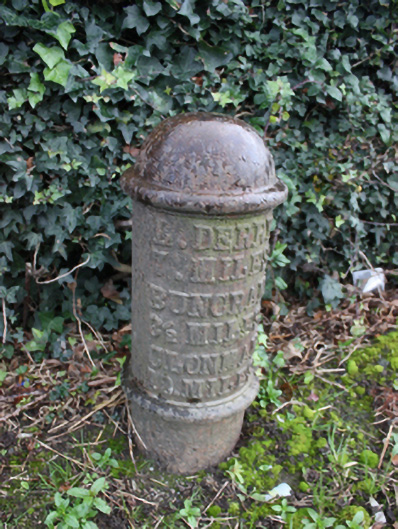 milestone/milepostmilestone/milepost · 36 yd
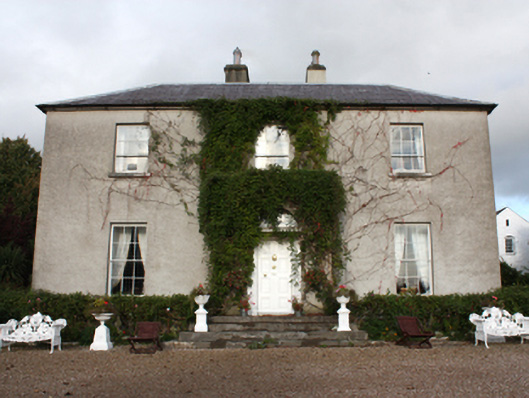 rectory/glebe/vicarage/curate's houserectory/glebe/vicarage/curate's house · 410 yd
 Cross in Glebe (fahan Ed)Cross · 512 yd
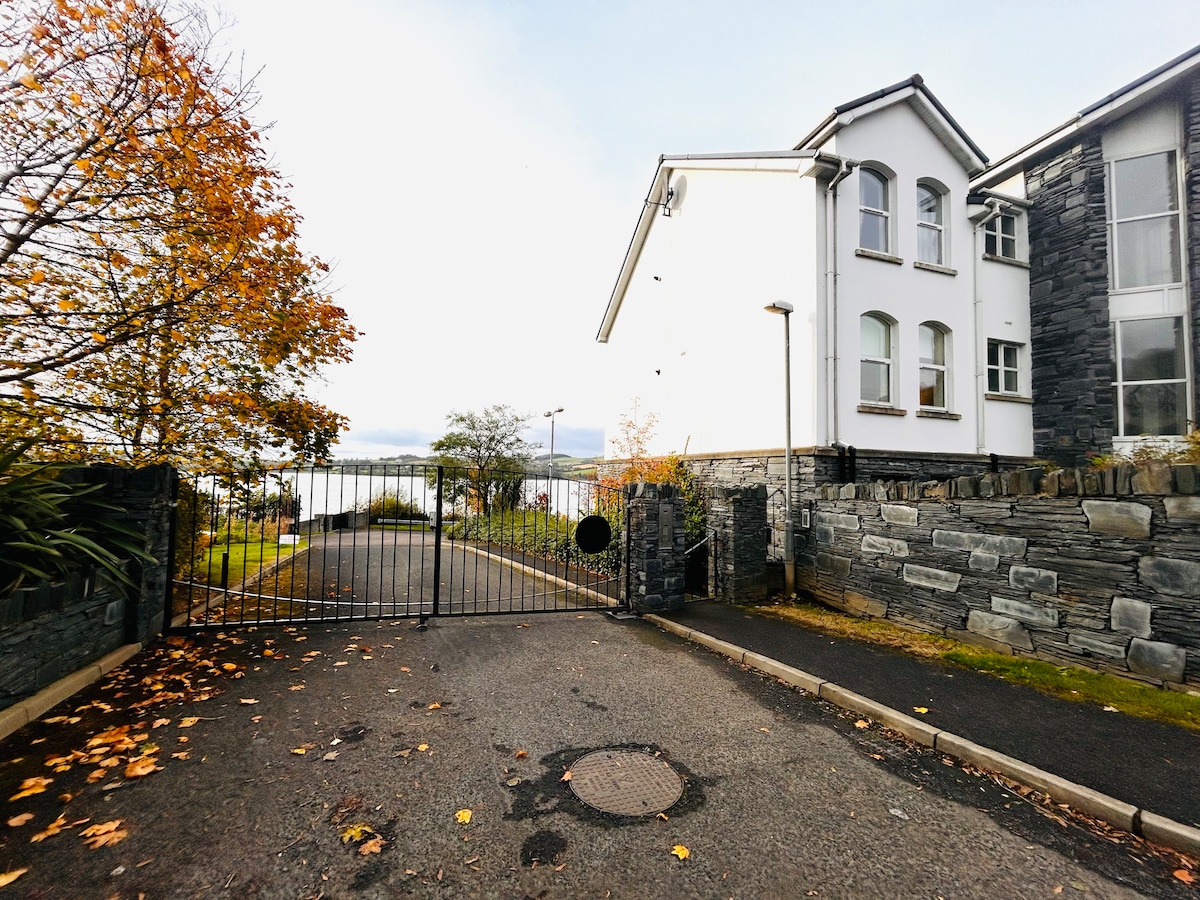 Fahan Holy WellHoly well · 915 yd
 Bawn in An Machaire Beag (tc Fathain)Bawn · 949 yd
 Mass RockNamed rock · 1194 yd
 Brown’s PointHeadland · 1.4 mi
 Lackan ForestForest · 1.5 mi
 LisfannonOfficial bathing water · 1.6 mi
 Cashel HillMountain / peak · 1.7 mi
 InchIsland · 1.8 mi
 King's GraveArchaeological place · 2.1 mi