What is recorded here
Rathmore Castle stands as a seven-storey stone tower in County Limerick, its walls nearly seven feet thick and its chambers built to withstand siege. In 1580, Sir Nicholas Malby captured the stronghold after defeating the Desmond forces nearby, marking a violent shift in local power. The building survived civil wars, ownership changes and eventual ruin, yet its unusual height and solid masonry still suggest a place designed to dominate the landscape and resist invasion.
Rathmore Castle described in 1840 as 'a square Castle of remarkable height about seventy feet and measuring thirty feet six inches on the outside from north to south and thirty six feet four inches from east to west. Its walls are six feet nine inches thick and remarkably well built. There seem to have been outworks but they are not now traceable' (O'Flanagan 1929, 116).
Westropp (1906-7, 176-7) recorded the following details about Rathmore Castle; 'Supposed to be the fort (and fair green) of Aenagh beag (Aenagh Cloghair, or Enagh culi) claimed by King of Cashell, 902 ("Book of Rights"). 1148-51 Turlough O'Brien defeated the Norse, and built Monasteranenagh Abbey near it. Lewis says that the C[astle]. was built in 1306 by the Earl of Desmond, but it seems later. 1579 It was held by the Irish and Spaniards, and taken by Malbie after the third battle of Monasteranenagh. The Earl complains that it and the "town" were spoiled, and certain of his evidences and writings taken (C.S.P.L). 1583 "Rathmore, a large C[astle]. in parts ruinous, with a barbican, ruined on the north, and a courtyard, enclosed with a stone wall in great decay. There are in the same C[astle]. divers necessary places, or bedrooms, strongly built for defence," with an iron door. Granted by the Earl, and Elinor, his wife, to Maur. Sheighan for 99 years, at a peppercorn rent (Des. R., 6; Peyton, p. 14). 1600 Surrendered to Carew by the followers of the Sugan Earl (Pacat. Hib.). 1615 Jas. Casey settled it on T. Casey, who, in 1637, bequeathed it to his daughters. They held it and a mill-seat in 1655 (Inq. Chan.,198; C.S., xxxi., p. 15). Sir Drury Wray next owned it. It was forfeited, and was sold 1703 (Trustees' Map, " 21 ").
Fabric - Tradition, in 1840, said that it was built by the Danes, and levelled by Cromwell. A fairly perfect peel tower, 30 feet [9.1m] by 34 feet [10.3m]; the walls, 6 feet 9 inches [2.05m]; features of the late fifteenth-century type (O.S.L., 9, p. 386).'
The 1654-56 Civil Survey of Limerick recorded that Mrs. Ann Casy, English Proprietor, was the owner in Rathmore which contained a 'Castle, Mill seate & tenn Cabbins upon it' (Simington 1938, 104).
Classified by Donnelly (1999, 22, 37) as a Type 5 tower house which consists of a castle with 'rectangular floor plans each of which is unique to an individual site, though each building had architectural features which placed them firmly within the Irish Gothic tower house tradition'.
Rathmore Castle described by Salter (2004, 93) as follows; 'This tower measuring 10.7m by 8.8m has five storeys with a vault over the fourth level. A thick end wall contains a latrine at ground level, five upper chambers, and a sixth chamber with its inner wall carried on an arch over one end of the topmost principal chamber. In 1580 this Desmond castle was captured by Sir Nicholas Malby, Governor of Connacht, after his nearby victory over Sir John Desmond and the Papal Legate Saunders'.
Compiled by: Caimin O'Brien
Date of upload: 9 December 2020
Rathmore Castle was built in the 15th or 16th century by an unknown Gaelic noble family of the region. It is remembered for its impressive height and as an example of late medieval Irish castle architecture before its decline.
The monument record does not grant public access. Check the route and ask the landowner before entering private land.
- What survives
- Recorded monument
Places near here
 Bawn in Rathmore NorthBawn · 1 yd
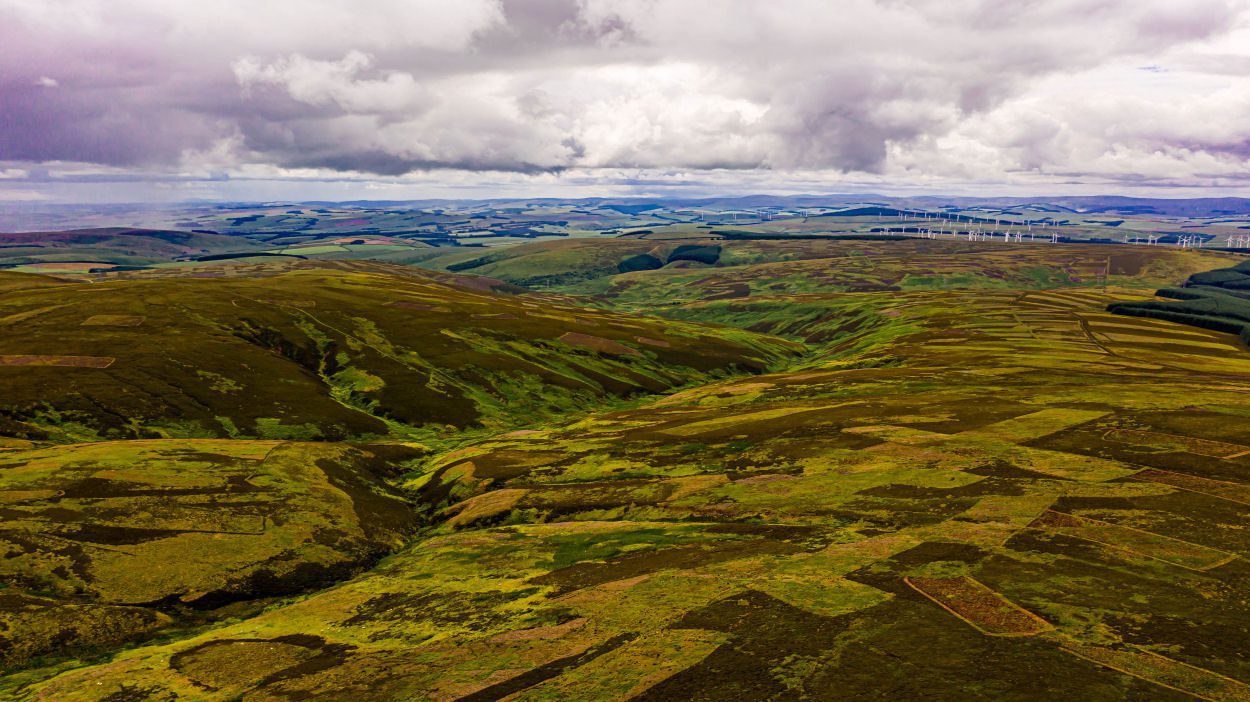 Mound in Rathmore SouthMound · 122 yd
 Hearth in Rathmore SouthHearth · 1735 yd
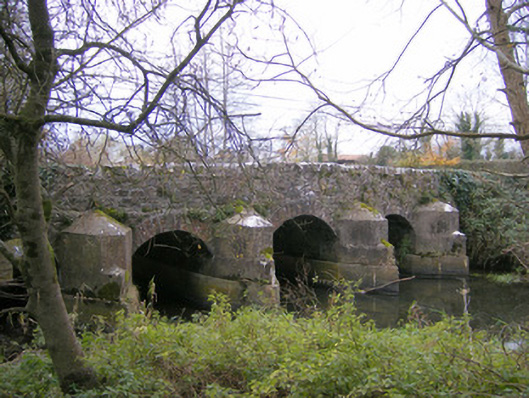 Gray's Bridgebridge · 1.0 mi
 Monasteranenagh AbbeyHeritage attraction · 1.1 mi
 RoadRoad, road/trackway · 1.1 mi
 Glenogra Castle (in ruins)Castle, Anglo-Norman masonry castle · 1.5 mi
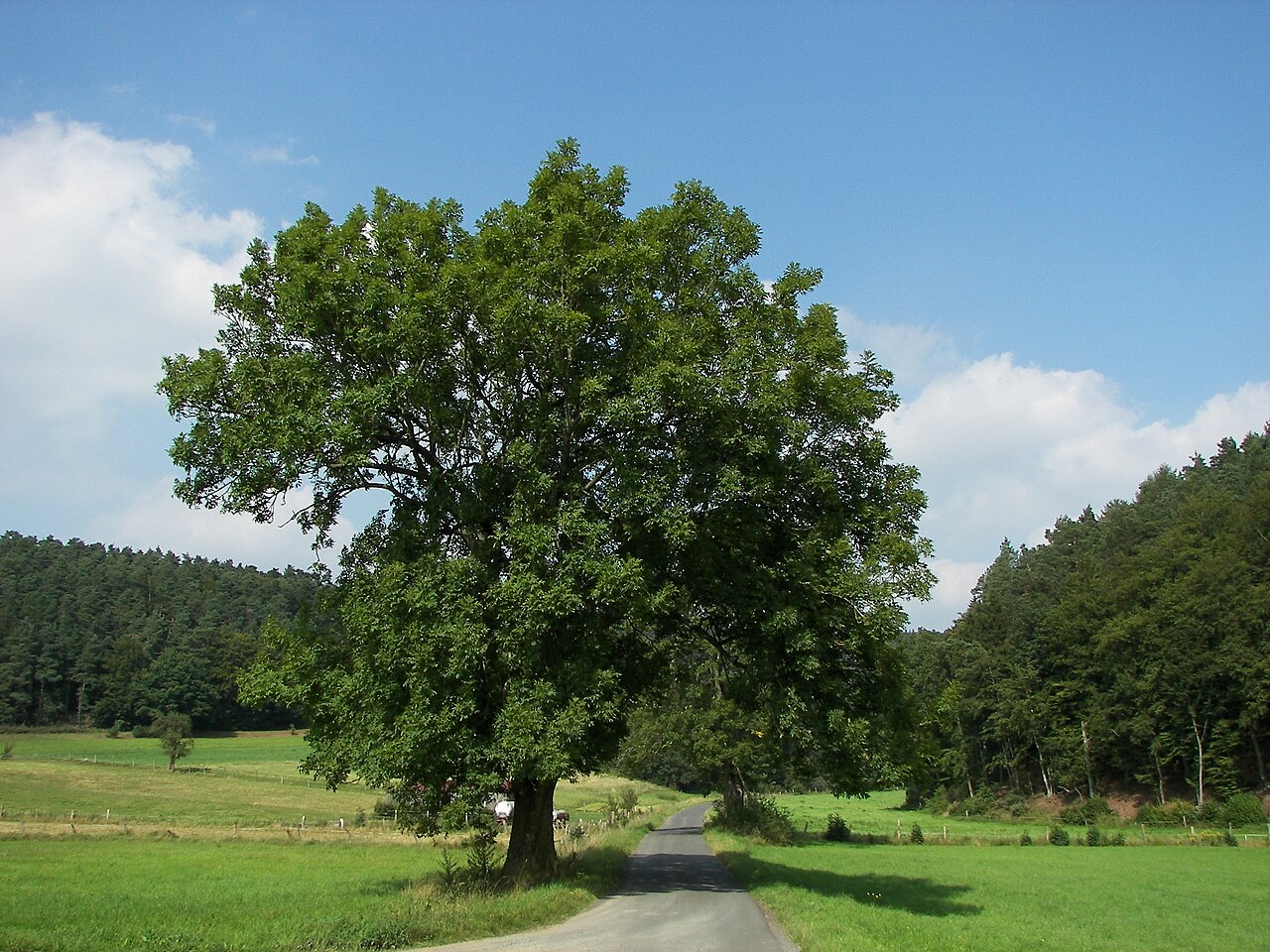 European ashEuropean ash · 1.6 mi
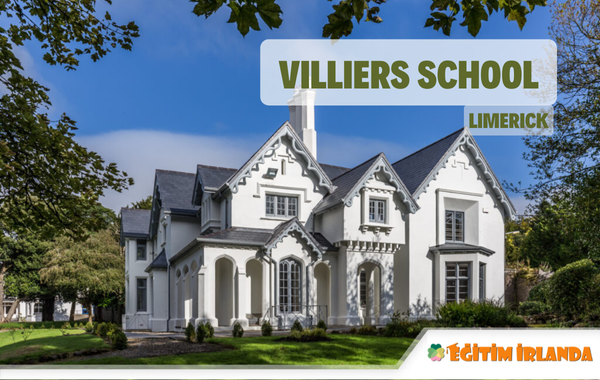 Villiers WellSpring · 3.2 mi
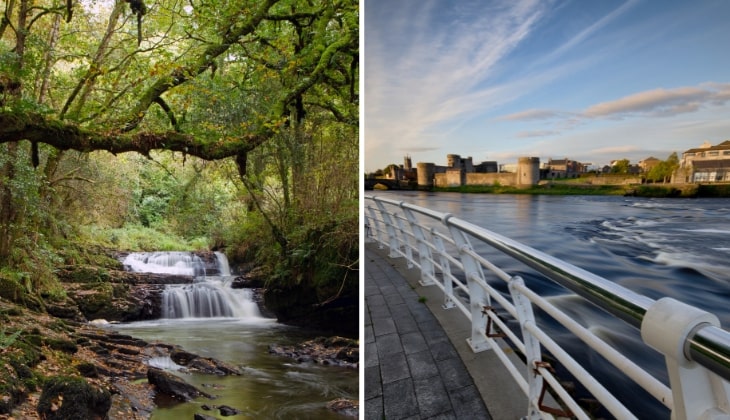 Biodiversity in the Maigue CatchmentVisitor information · 3.4 mi
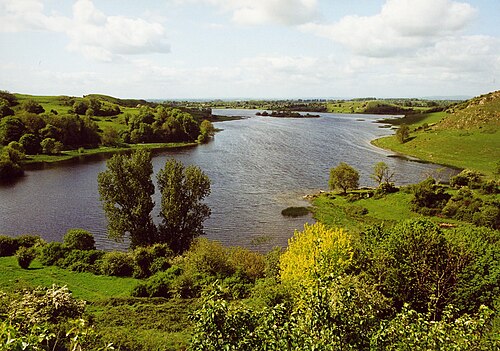 Lough GurVisitor information · 4.1 mi
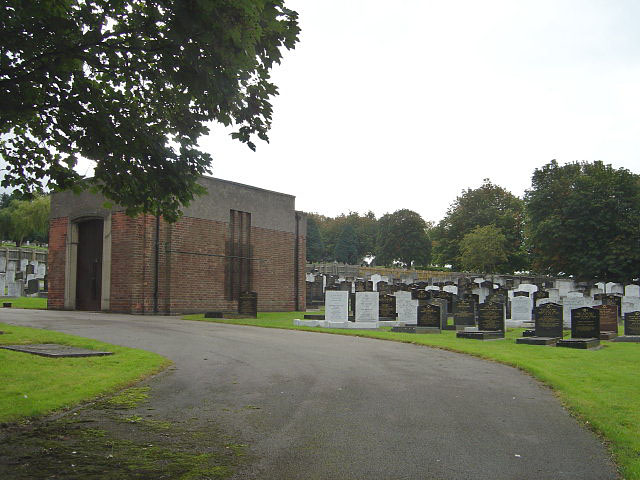 Flat cemetery in Knockainy WestFlat cemetery · 8.4 mi