What is recorded here
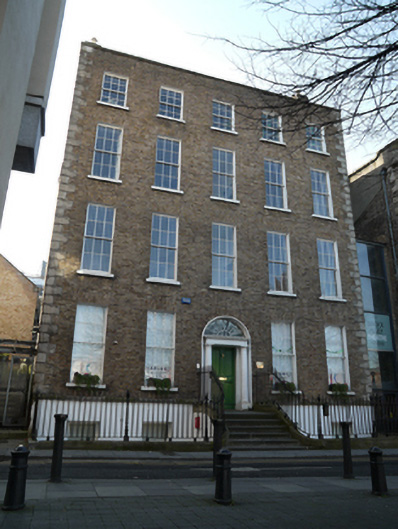
Attached five-bay four-storey over basement former presbytery, built c.1850, having return to rear (south) elevation. Now in use as language school. M-profile pitched roof, hipped to centre of rear pitch, hidden behind brown brick parapet with cut granite coping. Brown brick chimneystacks having clay pots, some cast-iron rainwater goods. Brown brick walls laid in Flemish bond with rusticated granite quoins, cut granite plinth course over smooth rendered walls to basement level. Brown brick walls laid in English garden wall bond to side (east and west) elevations. Square-headed window openings having painted masonry sills, smooth rendered reveals and six-over-six pane and one-over-one pane timber sliding sash windows. Round-headed door opening with moulded masonry surround, Doric columns and entablature supporting recent fanlight over timber panelled door. Cut granite entrance steps to granite platform having cast-iron bootscrape. Basement area and steps enclosed by wrought-iron railings with cast-iron posts on carved granite plinth wall. Situated on south side of Exchange Street Lower and to centre of Essex Quay.
This well-proportioned building retains its raised entrance, balanced fenestration arrangement and material construction which are typical of nineteenth-century houses. Carved granite detailing is used to good effect to subtly articulate and add textural variation to the facade. Its scale confirms the importance a presbytery had at the time of its construction, and ensures that it remains a striking presence on the streetscape. It was built to serve the adjacent Church of Saints Michael and John, dedicated in 1813, now Smock Alley Theatre. The church and presbytery have added historical significance as reportedly being the first since the Reformation to have a bell rung for mass and the angelus, with consequent threats of legal action successfully countered by Daniel O'Connell. While the building now faces onto Essex Quay, historic maps show that it once faced a narrow lane with buildings forming a northern edge to Exchange Street Lower. Thom's Directory of 1862 lists six resident clergymen.
This does not grant access. Most recorded buildings are privately owned; view them only from public ground unless the owner allows entry.
Places near here
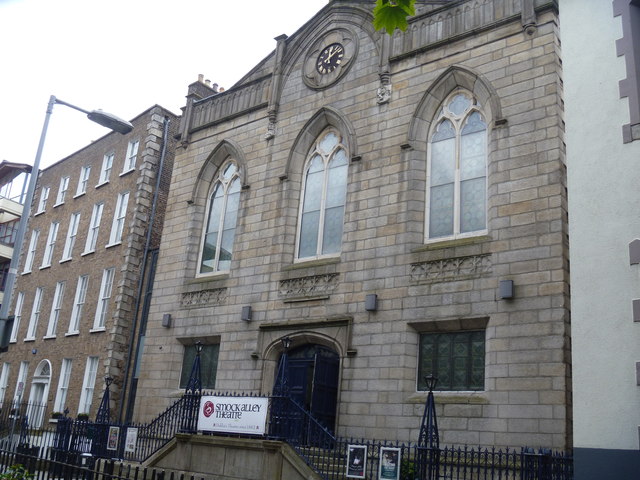 Smock Alley Theatrechurch/chapel · 22 yd
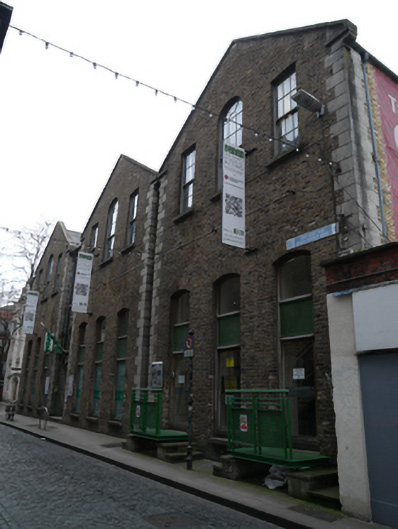 Gaiety School of Actingschool · 37 yd
 Newcomen BankVisitor information · 145 yd
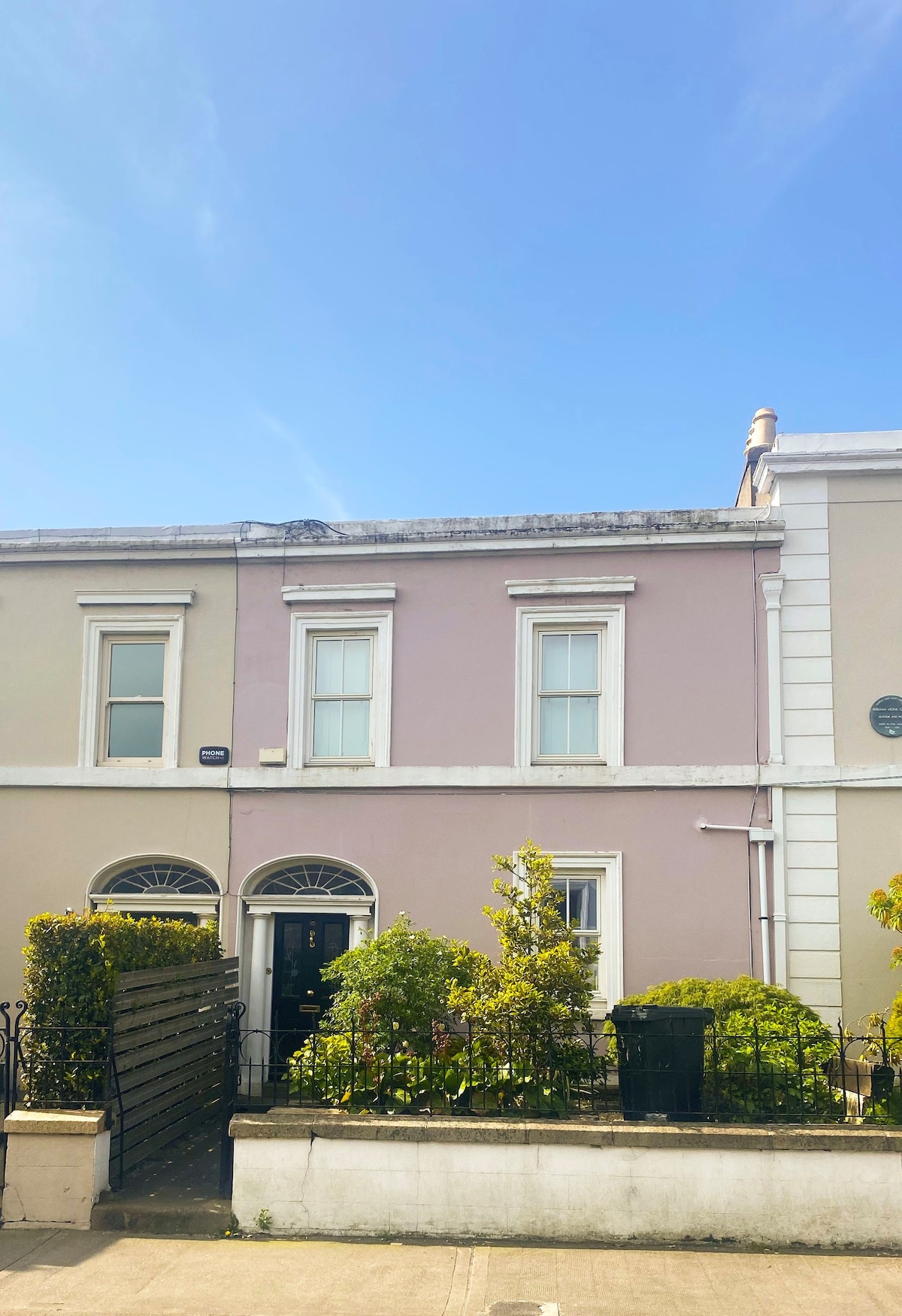 Ecclesiastical residence in Unknown TownlandEcclesiastical residence · 163 yd
 Dublin City HallHeritage attraction · 183 yd
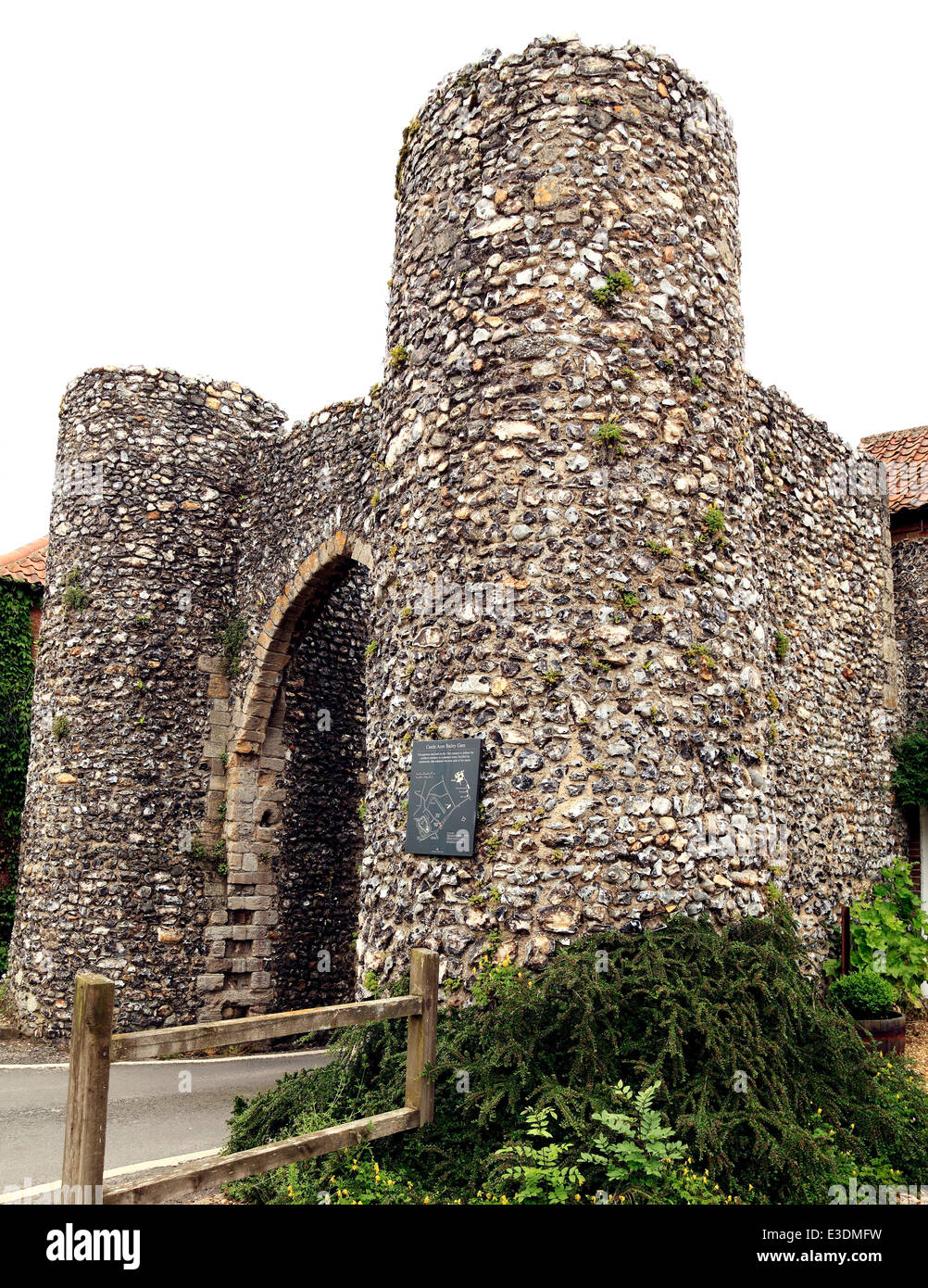 Town defences in Unknown TownlandTown defences · 216 yd
 CastleCastle, Anglo-Norman masonry castle · 243 yd
 John FieldMemorial · 261 yd
 National Leprechaun MuseumHeritage attraction · 286 yd
 St. Michael's le Pale Church YardMemorial · 395 yd
 Medieval DublinVisitor information · 508 yd
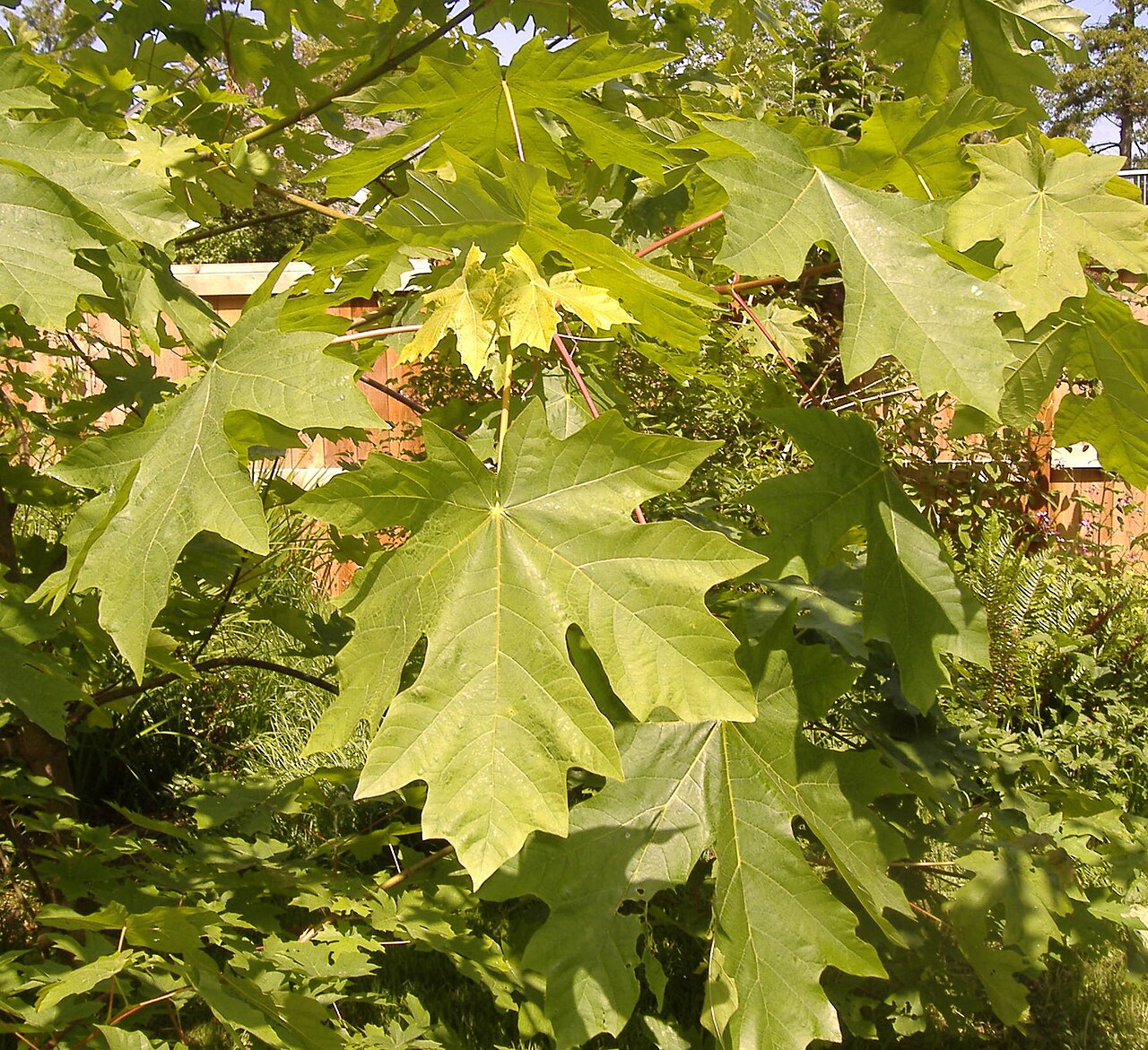 Bigleaf MapleBigleaf Maple · 876 yd
Other information
Photo: National Inventory of Architectural Heritage · Website use allowed for educational or private purposes with source credit