What is recorded here
Red sandstone holds seven ghost strokes beneath a church window, marking a forgotten man named in angles rather than letters. Builders reused the stone as a sill in the late 12th century, turning a personal memorial into a functional frame for light. The church grew westward around that old chamber, preserving the stone but obscuring much of its meaning.
Within a pre-Romanesque church (KK020-017001-), which was later extended westward, the original church becoming the chancel. This ogham stone, first noted in 1869 (Anon. 1868-9, 281-2; Macalister 1945, 33-4, no. 28), was reused as a sill for a round-headed window which was inserted in the E gable in the late 12th/early 13th century, replacing the original window (Ó Carragáin 2010, 158, fig. 166). It is a long rectangular block of red sandstone (dims. 1.55m x 0.22m) with seven closely set incised strokes visible on its lower edge at S end. Macalister (ibid.) read the inscription as TASEGAGNI [MAQ]I MUCOI MACORBO. McManus (1997, 67) could only be certain of ...MUC... MAC... . A second ogham stone (KK020-017010-) was discovered in the 1970s, built into the base of the N wall of the nave (Manning and Moore 1997, 370-372).
Compiled by: Jean Farrelly and Nora White
Date of revised upload: 18 November 2020
The monument record does not grant public access. Check the route and ask the landowner before entering private land.
- What survives
- Recorded monument
Places near here
 Clara Church (in ruins)Church · 11 yd
 Font in ChurchclaraFont · 34 yd
 Holy well in ChurchclaraHoly well · 84 yd
 Clarabricken Castle (in ruins)House, fortified house · 571 yd
 CastleCastle, motte · 766 yd
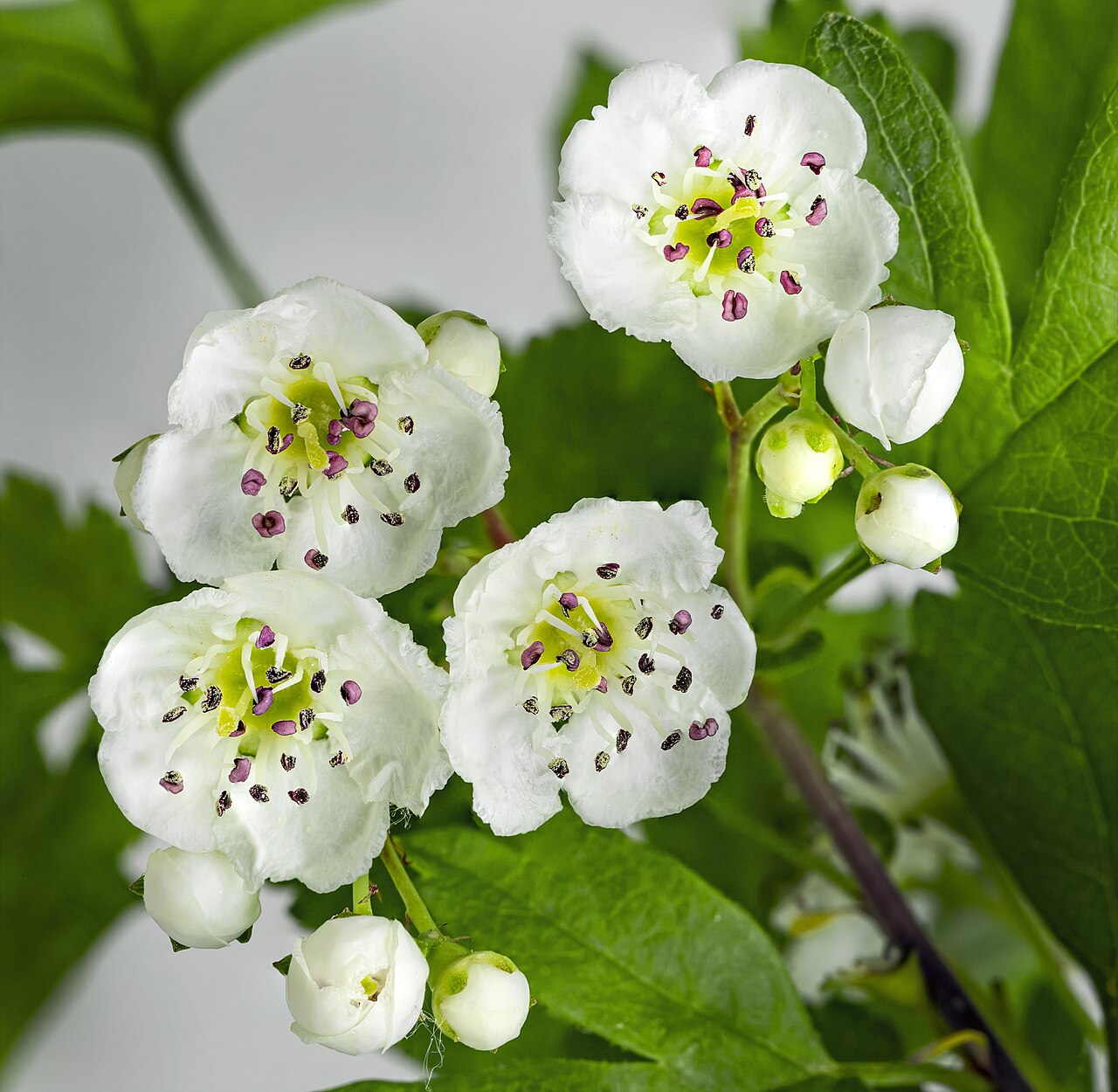 HawthornHawthorn · 1141 yd
 Saint Colman's Catholic Churchchurch/chapel · 1399 yd
 St. Mogarra’s WellSpring · 1.2 mi
 Dunbell Big RingfortWood · 3.3 mi
 Ivan PowerMemorial · 3.9 mi
 Michael CarthyMemorial · 3.9 mi
 WelcomeVisitor information · 4.6 mi