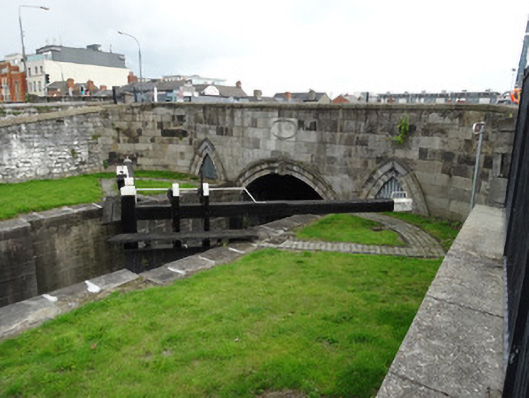
What is recorded here
Single-arch bridge over canal, dated 1793. Reconstructed, 1873. Part snecked coursed cut-granite walls centred on inscribed cut-Portland stone oval date stones ("1793") with cut-granite saddleback coping to parapets. Pair of pointed-arch underpasses framing single segmental arch with ogee-detailed granite ashlar archivolt centred on vermiculated cut-granite keystone. Sited spanning Royal Canal with snecked calp limestone retaining walls to lock having cut-limestone rounded coping supporting timber boarded double gates.
A bridge and lock forming part of the Royal Canal constructed at the turn of the nineteenth-century to improve connectivity and the transportation of freight between the River Liffey and the River Shannon. The bridge, originally identical to Clarke's Bridge (1794) at the junction of Summerhill Parade and Ballybough Road (see 50060476), was impacted when an adjoining bridge was built to carry traffic over the Liffey Branch of the Midland Great Western Railway (MGWR) line opened (1864) by the Midland Great Western Railway (MGWR) Company and was subsequently reconstructed (1873) 'in connection with the new works [at Spencer Docks]...the arch [being] lowered five feet and a new girder iron bridge cross[ing] the railway at the same level' (Freeman's Journal 12th April 1873). The construction of the bridge in a glimmering granite displays good quality workmanship while neo-medieval underpasses framing a Classically-detailed arch elevate it above the merely utilitarian. A pair of creamy Portland stone panels, their inscriptions now barely legible, carry the name of the banker and politician Sir William Gleadowe-Newcomen (né Gleadowe) (1741-1807) who was elected Company Secretary of the Royal Canal Company at its inaugural meeting (13th November 1789). The adjacent lock, originally a double lock under and to the eastern side of the bridge, was 'moved higher up' (ibid.) and makes extensive use of finely-cut cool grey calp limestone: its intake is regulated by two pairs of timber boarded gates. The adjoining railway bridge was replaced in the twentieth century by a reinforced concrete bridge which retained only the rock faced abutments of the original. A lock keeper's house on the western side and the so-called "Effin Bridge", a lifting bridge installed (1878) on the eastern side by Courtney Stephens and Bailey (formed 1865) to designs by Bindon Blood Stoney (1828-1909), contribute positively to the setting of the bridge and lock on North Strand Road.
This does not grant access. Most recorded buildings are privately owned; view them only from public ground unless the owner allows entry.
Places near here
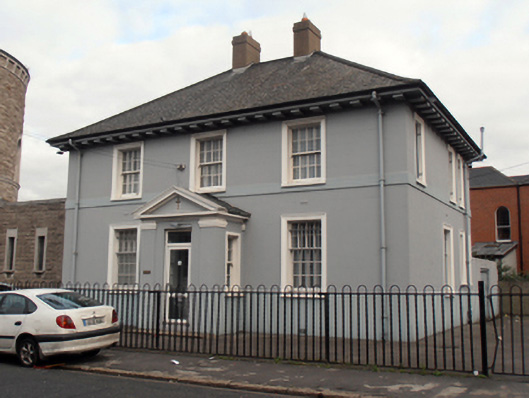 Saint Agatha's Church Presbyterypresbytery/parochial/curate's house · 106 yd
 Saint Agatha's Churchchurch/chapel · 146 yd
 Bombing of the North StrandMemorial · 161 yd
 Mary AikenheadMemorial · 243 yd
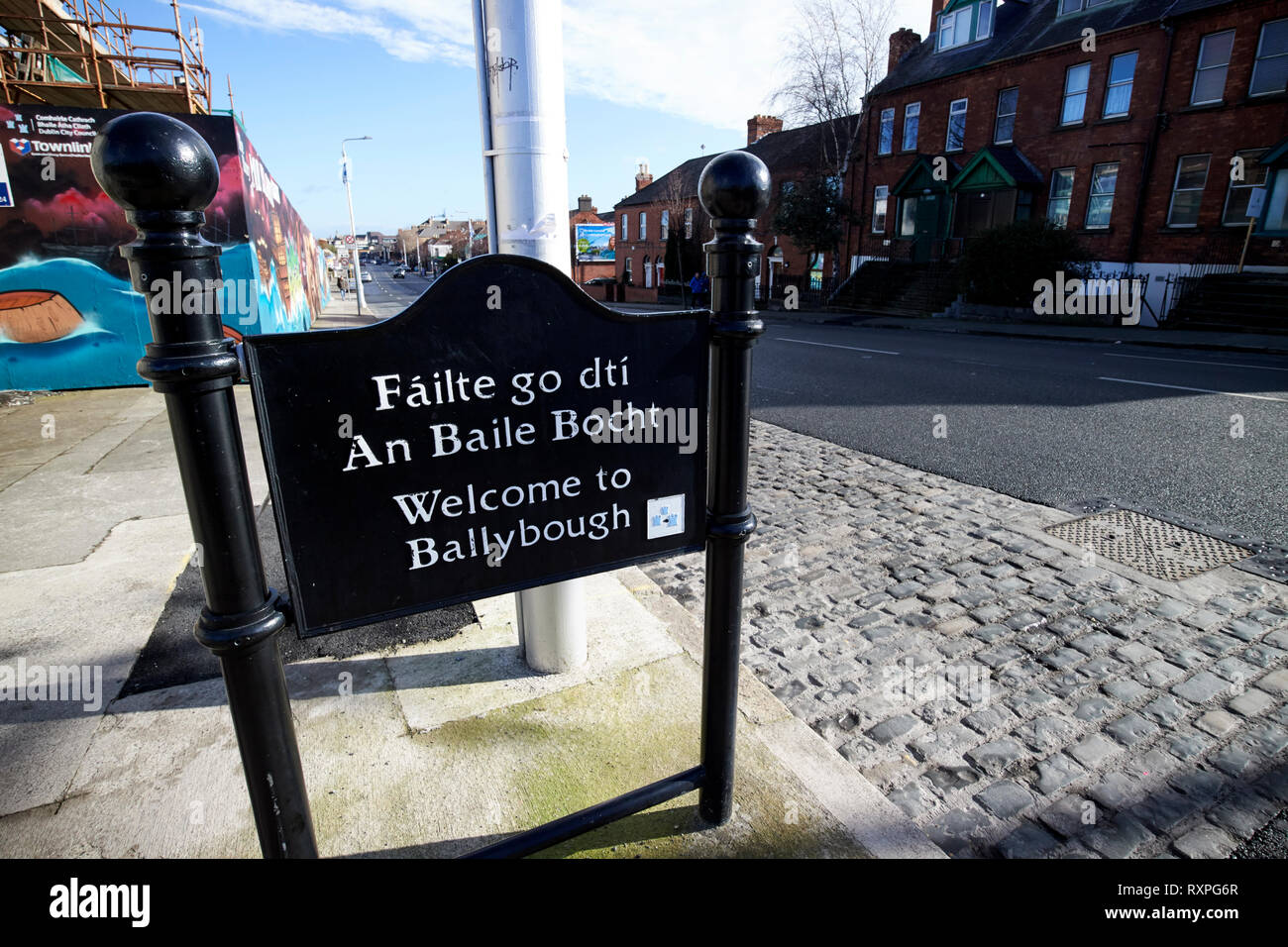 Welcome to BallyboughVisitor information · 316 yd
 W18539Wreck · 321 yd
 Bread, Beer & Bia AirBnB ExperienceVisitor information · 355 yd
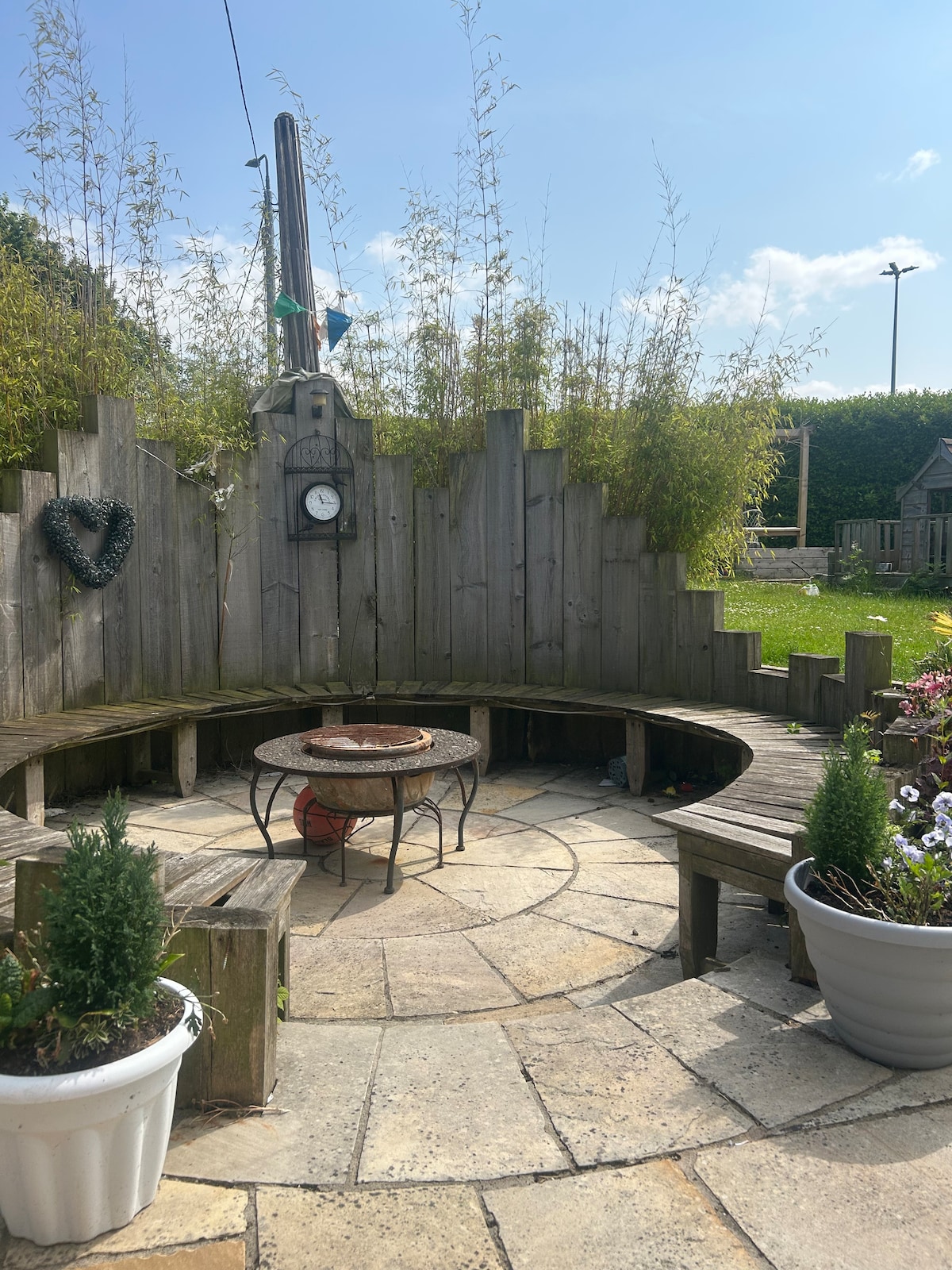 HomeMonument · 479 yd
 Gaelic Athletic Association MuseumMuseum · 599 yd
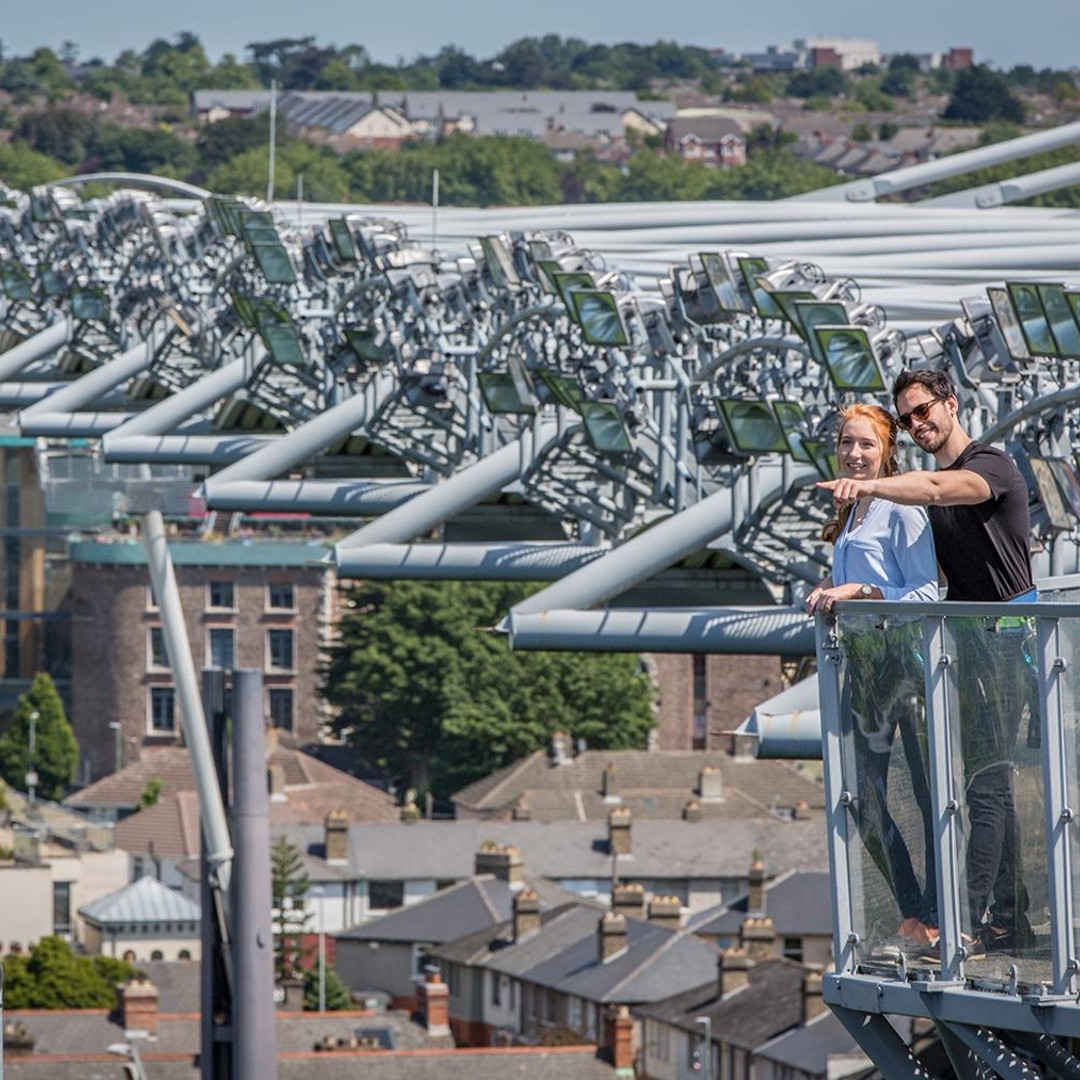 Kellogg's Skyline TourHeritage attraction · 803 yd
 Burning of the Custom Housearmed conflict · 1167 yd
 Burial in Unknown TownlandBurial · 1463 yd
Other information
Photo: National Inventory of Architectural Heritage · Website use allowed for educational or private purposes with source credit