What is recorded here
One chamber remains west of the Cloonmore church, no bigger than a curtained study, with drystone walls leaning inward beneath a single slab roof. The road cut through its west end, but the floor and lower walls still hold inside the hill. A schoolmaster may have taught there when open schools were forbidden, and a priest may have celebrated Mass for a hidden congregation. The chamber does not claim either event; it preserves the shape of a room built to keep people alive beneath a hostile age.
Incorporated into a NNE–SSW field boundary, located on the slope of a small ridge or hill, on top of which, 12m to E, is a graveyard (MA112-034001-) enclosing a church (MA112-034----). The OS Letters (1838, p. 453-4 (188)) record that to south of the ruined church was 'a spot where there was formerly an entrance to a cave that ran underground…and all that is memorable as connected with the cave is that a schoolmaster, it is said, taught in it, when schools were suppressed in Ireland and that a Priest was wont to celebrate Mass for a congregation therein when persecution was exercised against Priests in this Country.' There is no trace of a Man-made underground passage to S of the church but an opening into a stone-built chamber or passage is located to W of the church and graveyard. The opening (Wth 0.5m N–S; H 0.55m) is located at the base of the W-facing side of a NNE–SSW field fence, bordered immediately at W by a road. The chamber extends to E into the slope of the hill. The opening reveals a rectangular chamber or passage (1.9m NNW–SSE; 1.35m ENE–WSW; H 1.3m) defined on the N, E and S sides by walls of drystone construction, and roofed by a single large stone slab. The walls, constructed of horizontally laid rough slabs, incline inwards gently to an upper projecting course of corbel slabs which support the roof lintel. Loose stone rubble and earth conceal the base of the walls and the floor of the chamber. No openings are apparent to suggest a continuation of the Man-made underground passage further east or south into the body of the hill. On the W side the Man-made underground passage appears to have been truncated by the road, although remnants may underlie the road.
Compiled by: Jane O’Shaughnessy
Date of upload: 24 June 2013
This remains an important historical record, but the official description says the monument is no longer visible or has been destroyed. The monument record does not grant public access. Check the route and ask the landowner before entering private land.
- What survives
- No visible remains or recorded as destroyed
Places near here
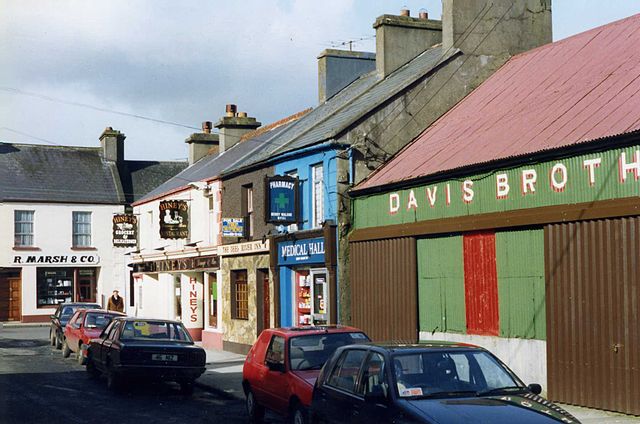 IndicatedEnclosure · 1140 yd
 Enclosure in Lisduff (clanmorris By., Crossboyne Par.)Enclosure · 1394 yd
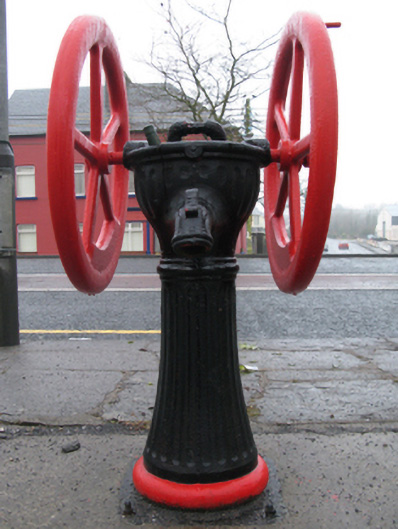 water pumpwater pump · 1.0 mi
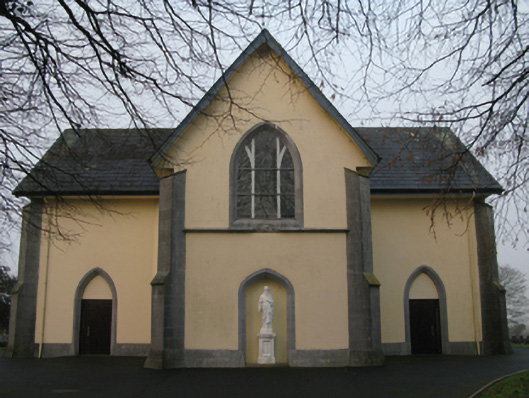 Saint Joseph's Catholic Churchchurch/chapel · 1.2 mi
 CastleCastle, unclassified · 1.4 mi
 Oak WoodForest · 2.3 mi
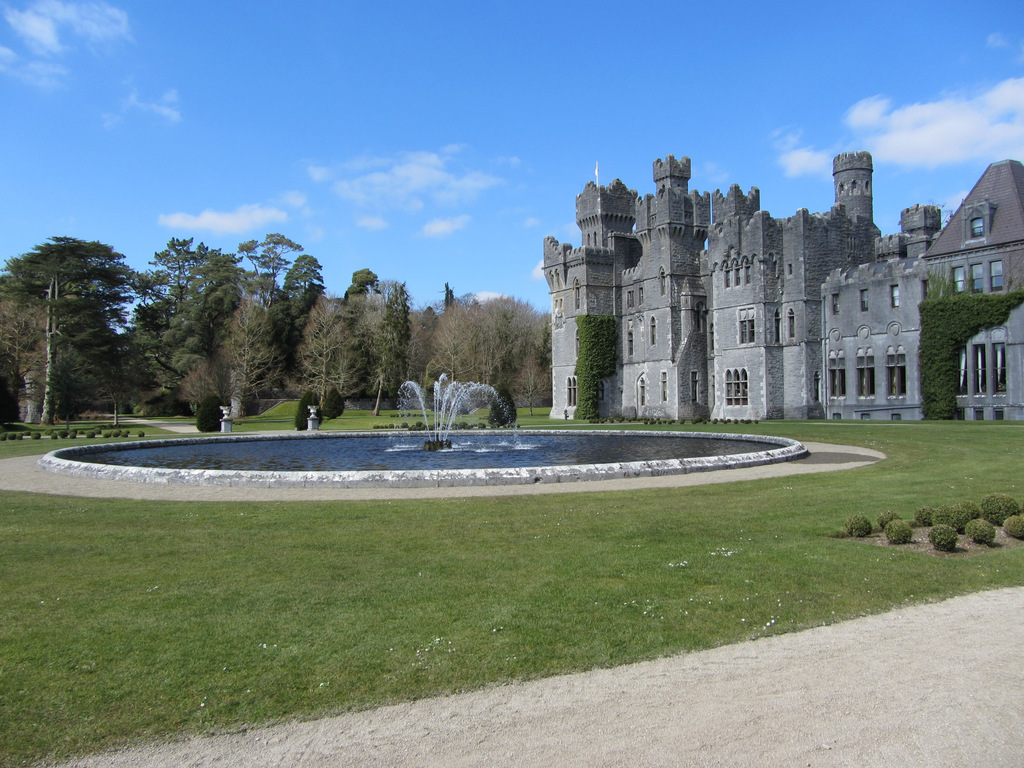 Castlekeel (in ruins)Castle, unclassified · 2.4 mi
 Geoffrey's WoodForest · 3.0 mi
 Land of the GiantsHeritage attraction · 4.4 mi
 Mass RockNamed rock · 9.6 mi
 Enclosure in Ballindine WestEnclosure · 1420 yd
 Enclosure in WoodstockEnclosure · 1465 yd