
What is recorded here
Detached five-bay single- and two-storey Tudor-style railway station with dormer attic, opened 1872, retaining original fenestration comprising three-bay single-storey entrance block with three-bay single-storey lean-to open veranda to front, single-bay single-storey gabled projecting end bay to left, and single-bay two-storey gabled projecting end bay with dormer attic to right extending into single-bay two-storey return to south-west having single-bay single-storey lean-to conservatory to west, two-bay single-storey lean-to open veranda along platform (south) elevation, and four-bay single-storey end block to south-east. Closed, 1967. Now in residential use. Pitched slate roofs (gable-fronted to projecting bays) with clay ridge tiles, snecked Derbyshire grit stone chimney stacks, square rooflights, cut-stone coping to gables, and cast-iron rainwater goods on cut-stone eaves. Lean-to glazed roof to open veranda to entrance (north) front in iron frame on cast-iron pillars. Lean-to slate roof to open veranda to platform (south) elevation on cast-iron column having Corinthian capital. Lean-to glazed roof to conservatory in iron frame. Irregular coursed snecked Derbyshire grit stone walls. Ogee-headed window openings (some square-headed) with cut-stone chamfered sills, and cut-stone voussoirs. 1/1 timber sash windows. Ogee-headed door openings with glazed tongue-and-groove timber panelled doors having raised lettering, and overlights. Road fronted with irregular coursed snecked Derbyshire grit stone screen wall to west having piers including polygonal terminating pier to west with cut-stone finial, shallow segmental-headed openings, and cut-stone coping. Platform along south elevation with random rubble stone retaining wall, cut-stone coping, and landscaped grounds to site of former railway line.
A picturesque Tudor-style railway station of considerable importance for its connection with the introduction of the railway network system to Lismore in the late nineteenth century. Sponsored by the Duke of Devonshire, and constructed in Derbyshire grit stone imported from Chatsworth, the railway station formed an integral component of the development of the Waterford, Dungarvan, and Lismore Railway line. The construction of the building attests to high quality local stone masonry while most of the original fabric remains intact, despite closure in the late twentieth century, and a subsequent change of use. Fronting directly on to the road, the railway station contributes significantly to the quality of the townscape.
This does not grant access. Most recorded buildings are privately owned; view them only from public ground unless the owner allows entry.
Places near here
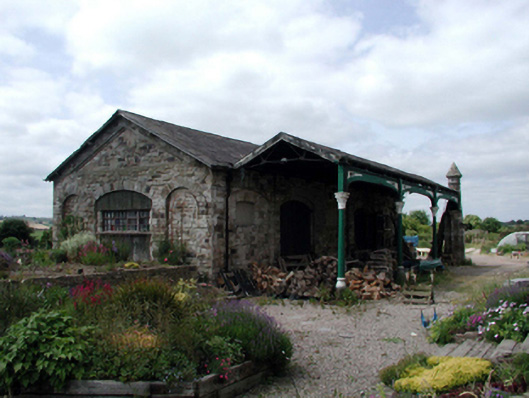 Lismore Railway Stationtrain shed · 37 yd
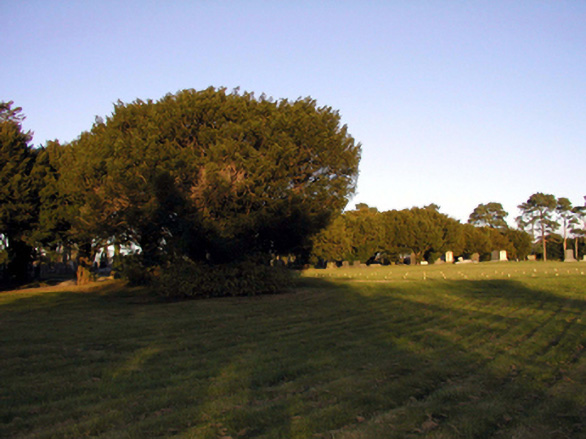 Saint Carthage's CemeteryOfficially recorded historic building · 205 yd
 Ambrose Power MemorialMemorial · 554 yd
 LismoreMemorial · 715 yd
 St. Carthaghs WellHoly well · 731 yd
 Holy well in Lismore (coshmore and Coshbride By.)Holy well · 741 yd
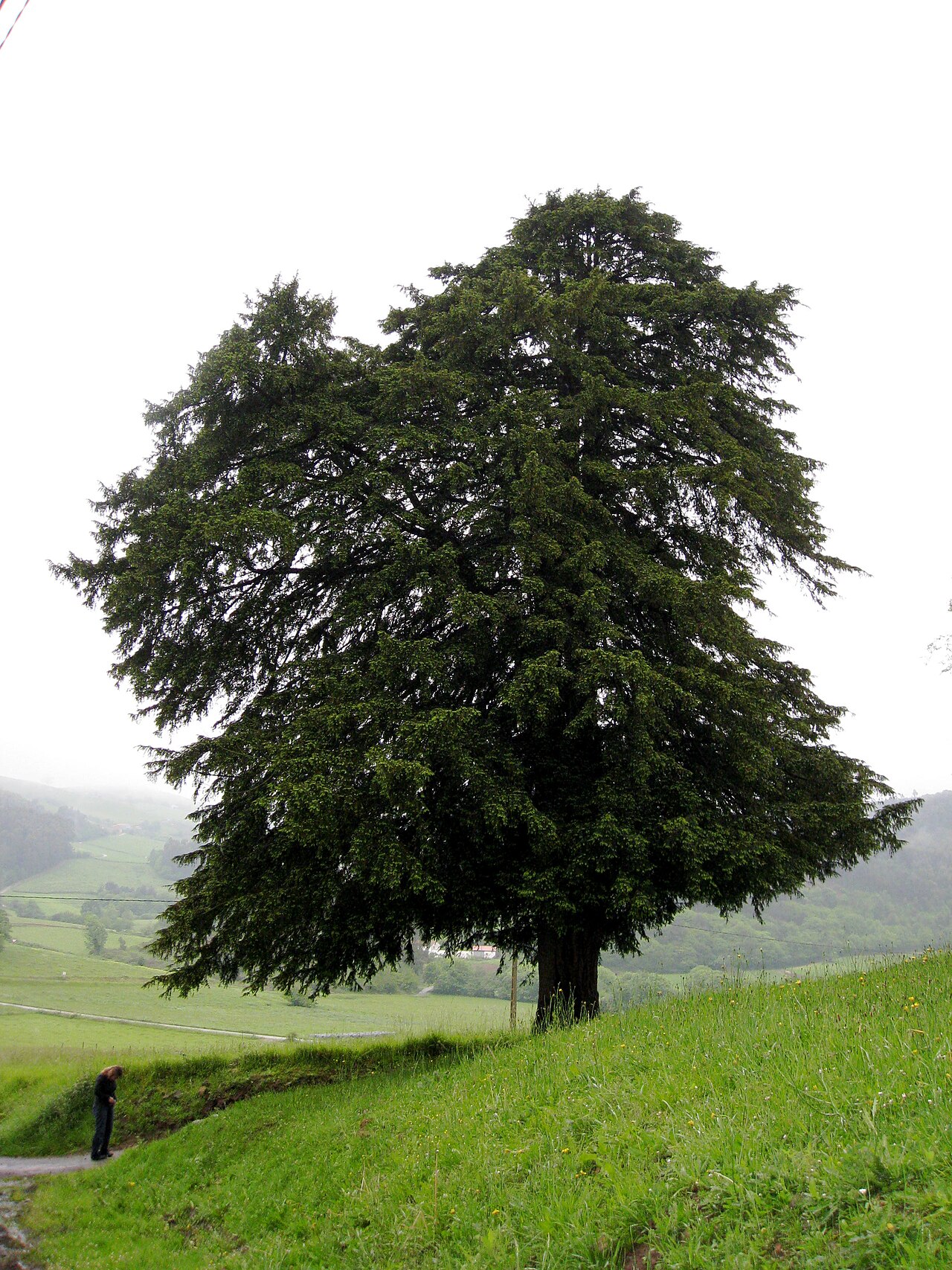 European YewEuropean Yew · 755 yd
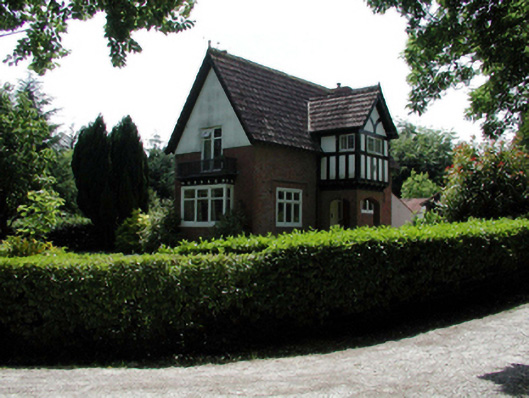 Lismore Castleworker's house · 831 yd
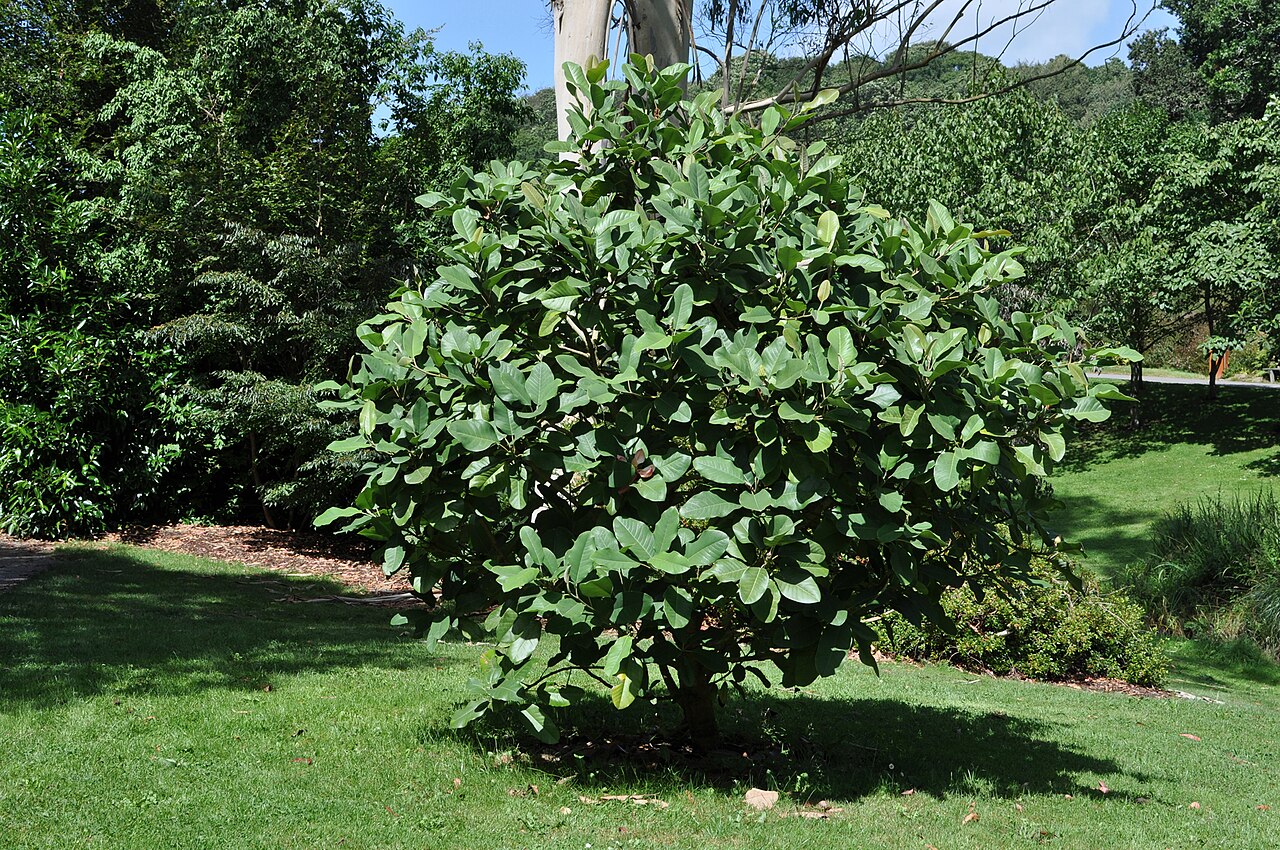 Delavay's magnoliaDelavay's magnolia · 925 yd
 Lady Louisa's WalkWalking route · 938 yd
 Cottage IslandIslet · 1234 yd
 Ballysaggartmore TowersHeritage attraction · 2.0 mi
Other information
Photo: Jonathan Thacker · Creative Commons Attribution-ShareAlike 2.0