What is recorded here
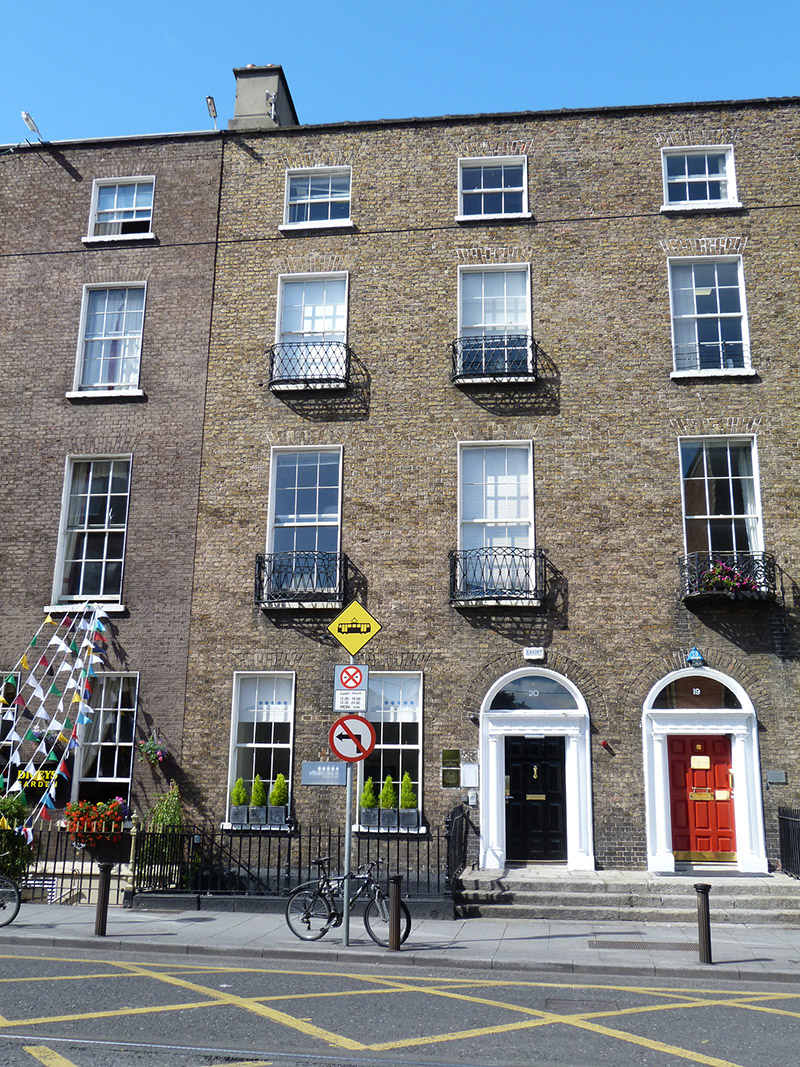
Terraced two-bay four-storey over basement former house, built c. 1815, now in use as offices. M-profile pitched roof, hipped to north-end, hidden behind brick parapet with granite coping, rendered chimneystacks to south party wall with clay pots. Buff brick walls laid in Flemish bond over granite plinth course and rendered walls to basement. Square-headed window openings with brick voussoirs, masonry sills and patent reveals, cast-iron balconettes to first and second floors. Rendered surrounds to basement opening. Six-over-six timber sliding sash windows with horns, three-over-three to third floor. Round-headed door opening with rendered reveals, Doric columns on plinth stoops supporting cornice and frieze with triglyphs, plain glass fanlight and raised-and-fielded twelve-panelled timber door. Shared granite entrance platform, with cast-iron boot scraper, accessed via four granite steps flanked by cast-iron railings with decorative corner posts on carved granite plinth, enclosing basement well to south. Street-fronted, located on west side of Harcourt Street.
A typical Georgian terraced house, the well-balanced and restrained façade is ornamented by the classical doorcase and the iron work balconettes and railings. The Doric doorcase, which is paired with a similar doorcase to the north, was the work of a skilled artisan and contributes to the artistic character of the building. According to Casey (2005) 'In No. 20 a curiously old-fashioned and richly carved doorcase between the first-floor rooms contains the harp and scroll motif seen at Clonmell House.' Harcourt Street was opened in 1777 by John Hatch, barrister and Seneschal of the Manor of St. Sepulchre. Development was sporadic during the early history of the street, though it included the construction of Clonmell House for John Scott, later Earl of Clonmell, on the west side of the street, No. 17 (50920214). The second Earl sold the house and lawn in 1810, the north and south wings were subsequently demolished. This house was built on the site of the former south wing.
This does not grant access. Most recorded buildings are privately owned; view them only from public ground unless the owner allows entry.
Places near here
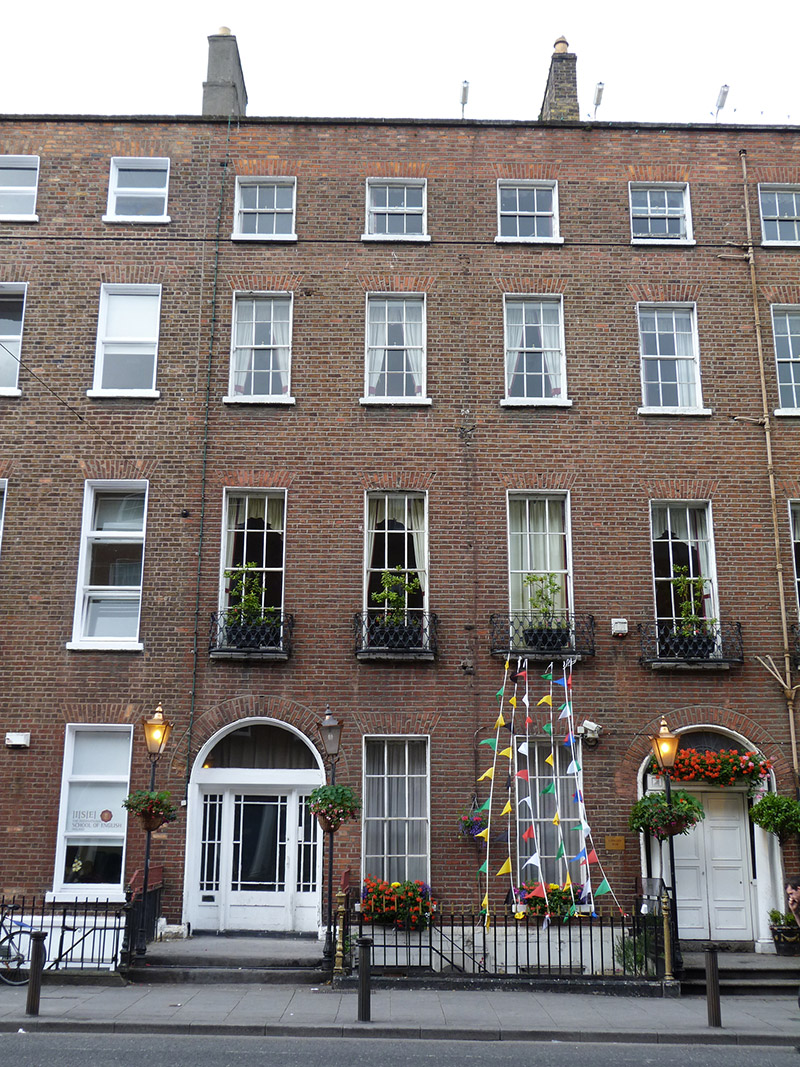 Russell Court Hotelhouse · 40 yd
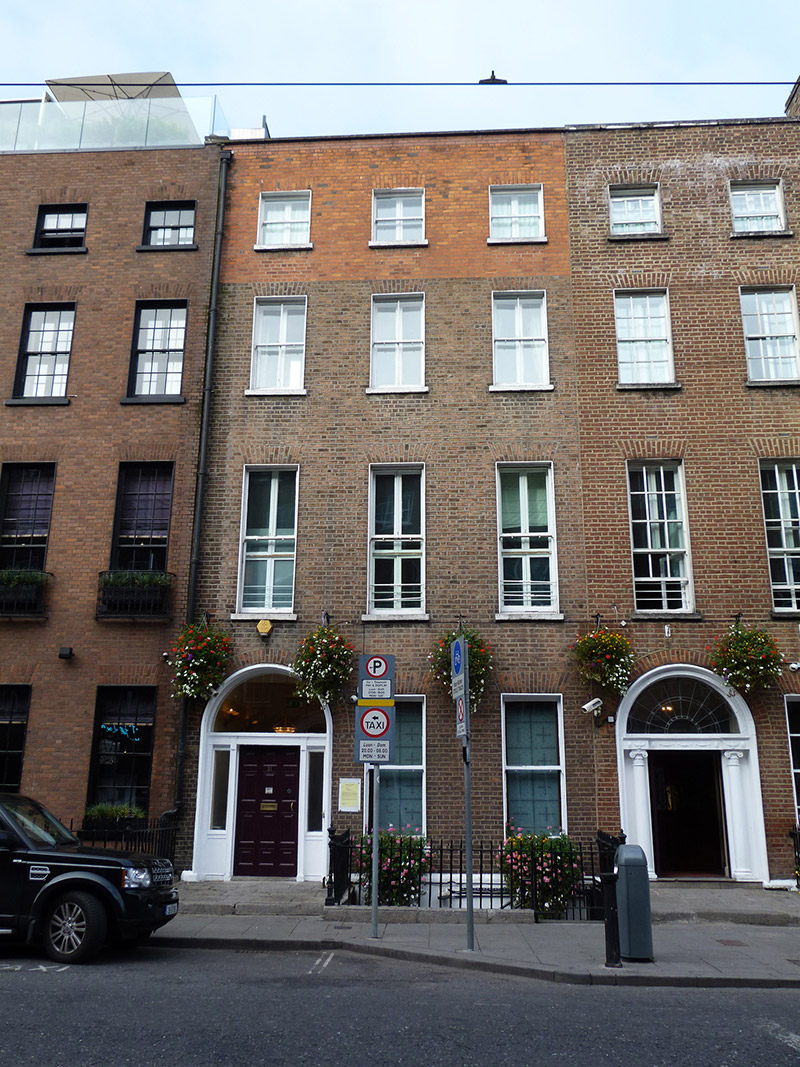 The Jackson Court Hotelhouse · 89 yd
 Museum of Literature IrelandMuseum · 243 yd
 Memorial to Human Rights DefendersMemorial · 248 yd
 Rev John Austin S.J.Memorial · 257 yd
 The Copper House GalleryGallery · 350 yd
 Gatehouse in Unknown TownlandGatehouse · 653 yd
 Liberty BellMonument · 699 yd
 Battle of DublinMajor battlefield · 840 yd
 CastleCastle, Anglo-Norman masonry castle · 909 yd
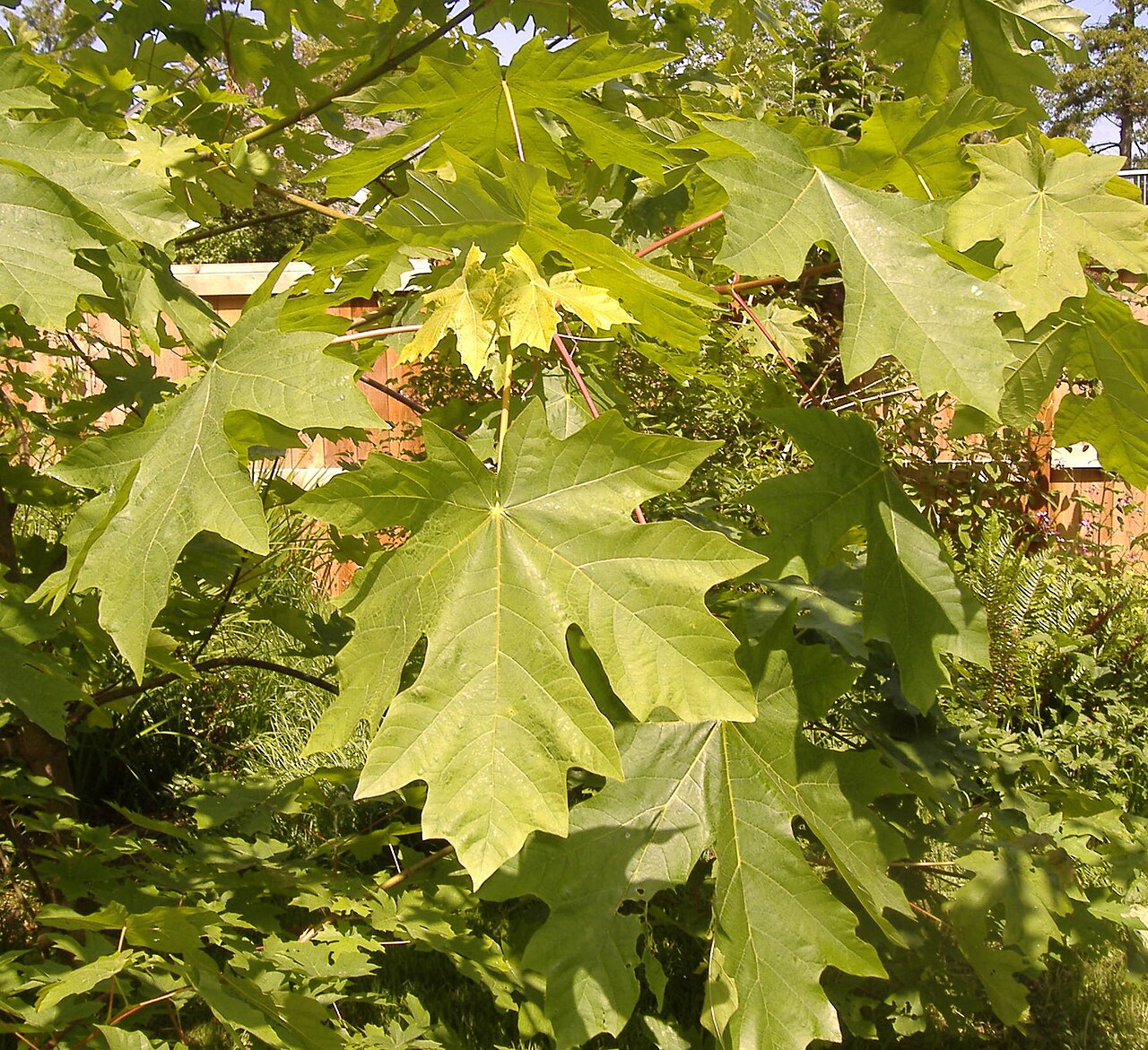 Bigleaf MapleBigleaf Maple · 1105 yd
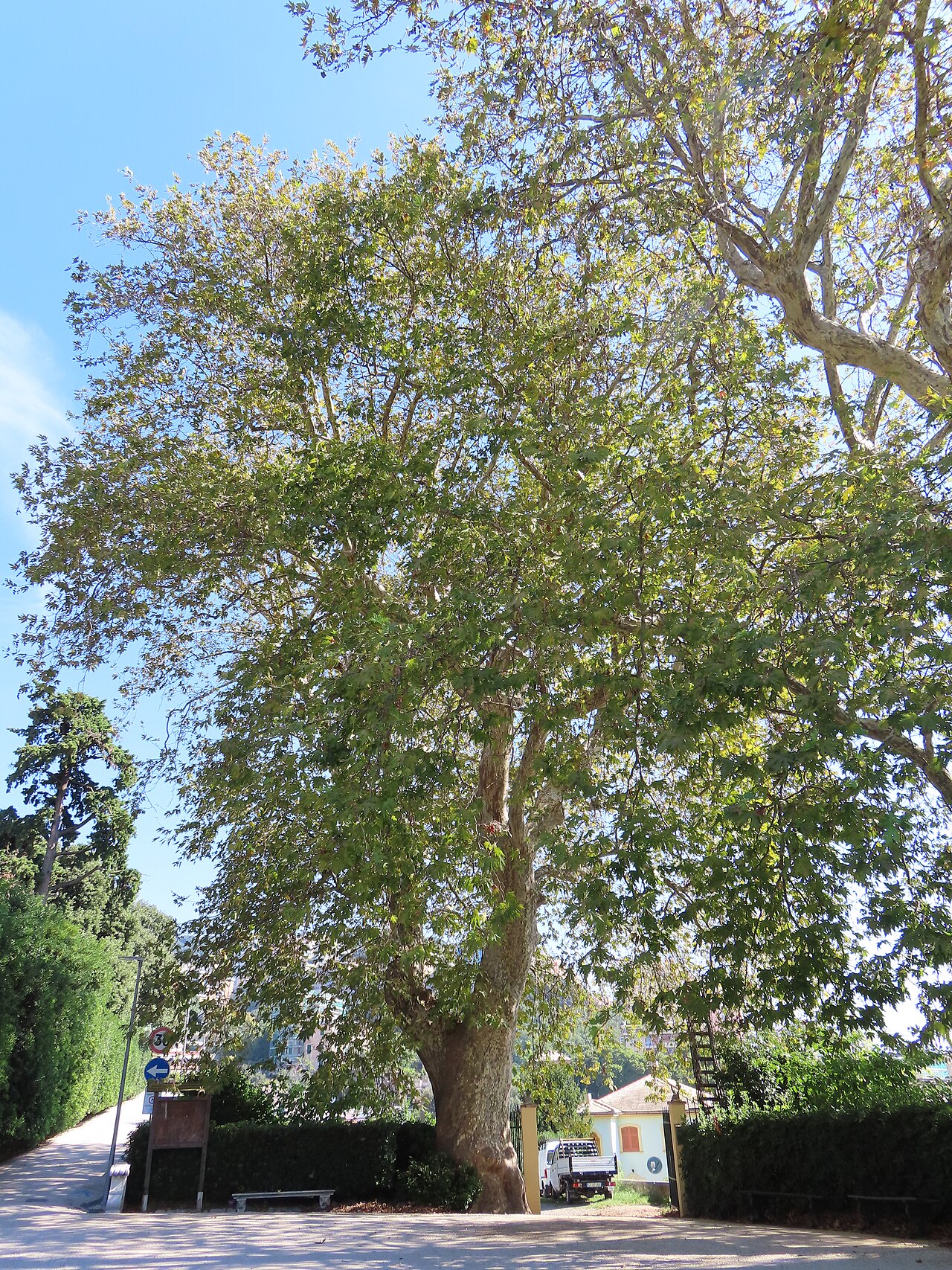 Oriental planeOriental plane · 1188 yd
Other information
Photo: National Inventory of Architectural Heritage · Website use allowed for educational or private purposes with source credit