
What is recorded here
Detached three-bay single-storey vernacular house with attic level, built c. 1800, having single-bay single-storey outbuilding attached to the south gable end under the same roofline. Pitched corrugated-metal roof having rendered brick chimneystack to the north gable end. Formerly thatched. Painted or limewashed rubble stone walls. Square-headed window openings with roughly squared stone sills and two-over-two pane timber sliding sash windows. Square-headed doorway, offset to the north side of centre, having smooth rendered reveal, battened timber door and stone threshold. Square-headed doorway to outbuilding to the south having sheet metal double-doors. Located adjacent to road in corner site/round bend in the rural landscape to the north of Pettigoe. Modern farm buildings to rear (south-west).
Despite some modern alterations, this appealing and well-maintained vernacular house retains much of its early character and form. Its visual appeal and integrity is enhanced by the retention of the timber sliding sash windows and the battened timber door. Modest in scale and architectural ambition, it exhibits the simple and functional form of vernacular building in Ireland. The form of this building having chimneystacks to the north gable end and doorway to the centre of the dwelling suggests that this building is of the ‘direct entry’ type that is characteristic of the vernacular tradition in north-west Ireland. This building was probably originally thatched but the roof has been replaced by corrugated-metal sheeting, which is a common practice. However, the thatched roof could be easily re-instated, which would add considerably to the integrity and visual appeal of this building. This building at Croagh (Pettigoe) is notable for the attached outbuilding to the south end, which is contained under the same roofline as the dwelling, and could represent an example of the byre-type dwelling that was common in Donegal in the eighteenth century. This house represents a surviving example of a once ubiquitous building type in the rural Irish countryside, and is an integral element of the vernacular heritage of the local area.
This does not grant access. Most recorded buildings are privately owned; view them only from public ground unless the owner allows entry.
Places near here
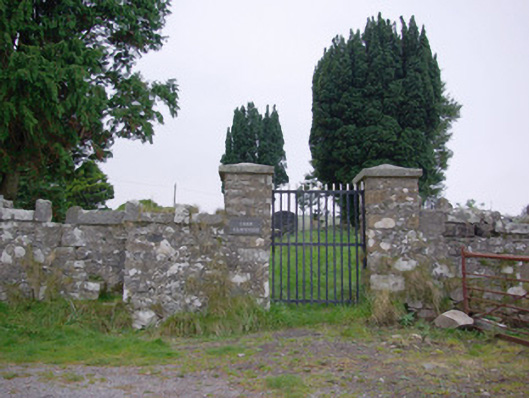 Templecarne Graveyardgraveyard/cemetery · 443 yd
 Cross in Carn (pettigoe Ed)Cross · 455 yd
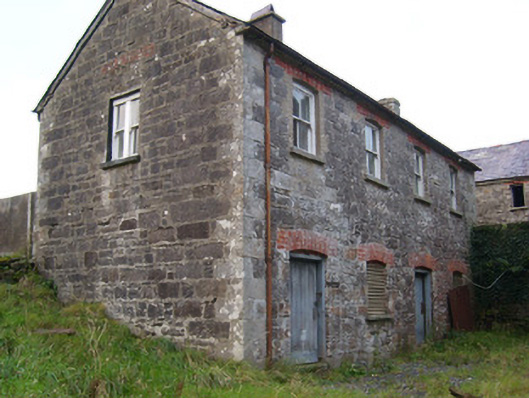 Pettigo Corn and Saw Milloffice, outbuilding, mill manager's house · 1.2 mi
 Drumharriff WoodForest recreation place · 1.6 mi
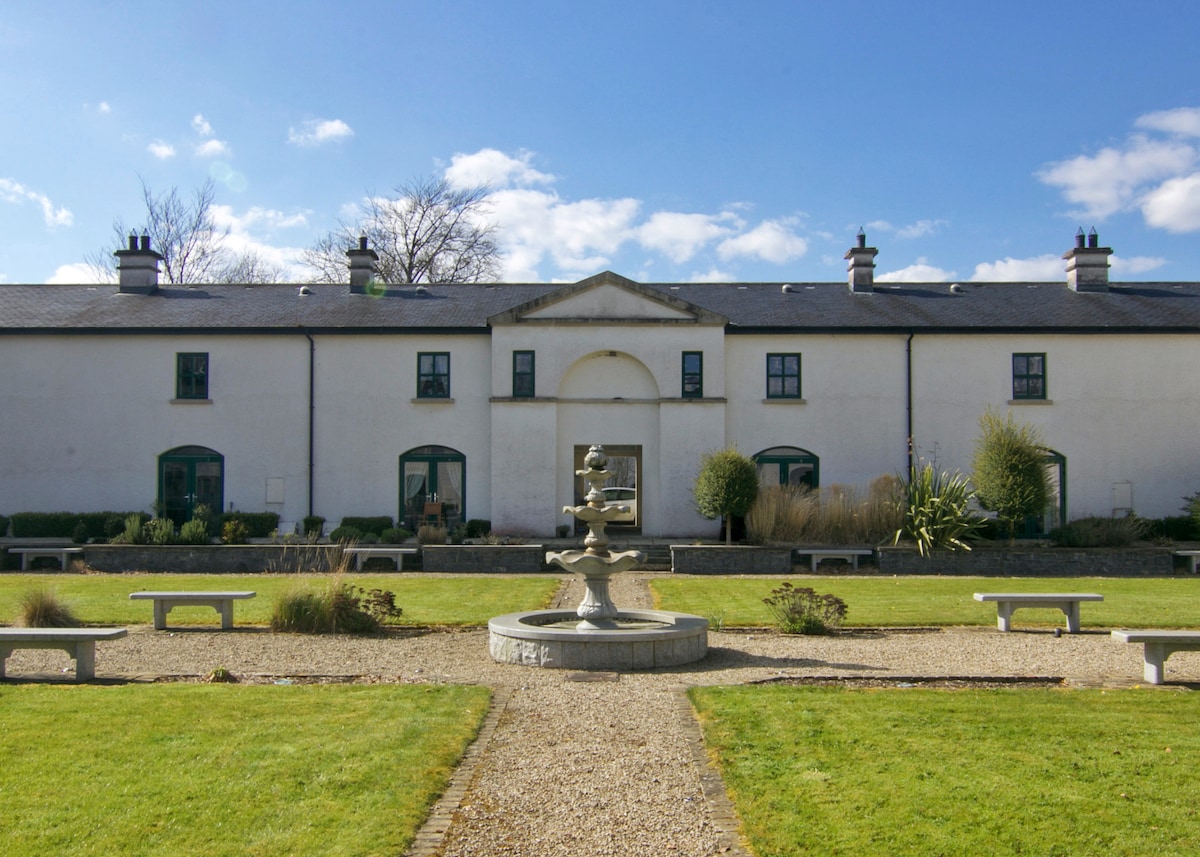 ENCLOSURE in DrumlongfieldENCLOSURE · 1.6 mi
 Castle McGrathCastle · 2.3 mi
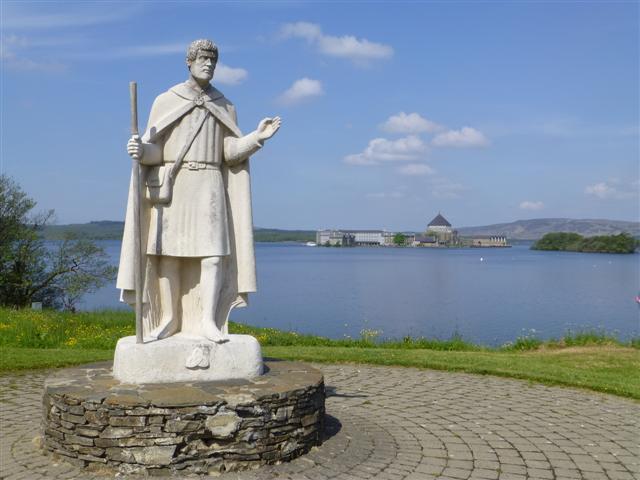 Patrick the PilgrimMemorial · 2.7 mi
 Boat IslandIsland · 2.8 mi
 Smiths RocksIsland · 2.8 mi
 Kesh ForestForest · 3.2 mi
 Boa IslandIsland · 3.6 mi
 Derrin MountainMountain / peak · 3.9 mi
Other information
Photo: National Inventory of Architectural Heritage · Website use allowed for educational or private purposes with source credit