What is recorded here
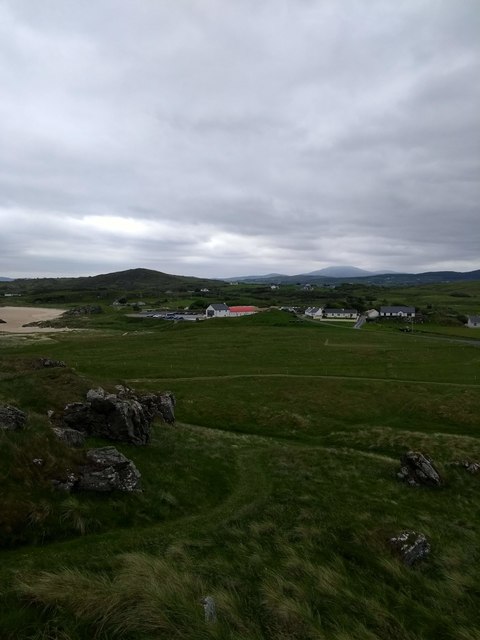
Tobar Muiris hides in a rivulet bed at the western edge of Ballyliffin Strand, making it one of the most inaccessible holy wells in Ireland. The water escapes as a small cascade rather than sitting in a obvious basin, forcing devotees to wade or balance carefully before praying. People once climbed to this difficult place on August fifteenth and other summer days, trusting that the hidden difficulty belonged to the ritual itself.
Tobar Muiris (Ó Muirgheasa No. 97). The exact location of this well could not be found. Recorded in 1936 as 'Tobar Muiris, or St. Maurice's Well, in the townland of Ardagh, at western end of Ballyliffin Strand. It is probably one of the most inaccessible wells in the whole country, and the making of the stations is difficult for strangers. It is located in the bed of a rivulet, and the water passes out in the form of a small cascade. There is no Saint Maurice shown in any of the Irish Martyrologies, and the late Monsignor Philip O'Doherty was unable to throw any light on the matter. The late Dr. Maguire, of the Diocese of Raphoe, was inclined to think that as the ancient herenaghs of Clonmany were Ó Muirgheasa, properly O'Morris, but here anglicised Morrison, the well may have some connection with this family. In the immediate neighbourhood are '"'beds" of Diarmuid and Columcille. A station used to be made at the well on the 15th August, but I have seen people also making it on other days during the summer' (Ó Muirgheasa 1936, 158).
The above description was derived from the 'Archaeological Survey of County Donegal. A description of the field antiquities of the County from the Mesolithic Period to the 17th century.' Compiled by: Brian Lacey with Eamon Cody, Claire Cotter, Judy Cuppage, Noel Dunne, Vincent Hurley, Celie O'Rahilly, Paul Walsh and Seán Ó Nualláin (Lifford: Donegal County Council, 1983). In certain instances the entries have been revised and updated.
Compiled by Caimin O'Brien
Date of upload/revision: 02 November 2011
Linked to St. Maurice (Muiris), this holy well was traditionally associated with healing and pilgrimage, with reports of its waters being used for physical and spiritual cures. The well's name and location suggest a medieval Christian tradition, though its exact historical use and rituals are now lost.
The monument record does not grant public access. Check the route and ask the landowner before entering private land.
- What survives
- Recorded monument
Places near here
 Promontory fortPromontory fort, coastal · 991 yd
 Oratory of the Assumptionchurch/chapel · 1317 yd
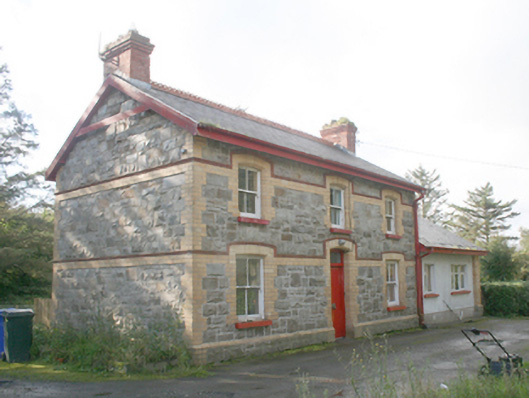 Ballyliffin Railway Stationrailway station · 1495 yd
 Former Gaddyduff Fairy FortFairy fort / ringfort · 1.9 mi
 Bawn in CarrickabraghyBawn · 1.9 mi
 Glashedy IslandIslet · 1.9 mi
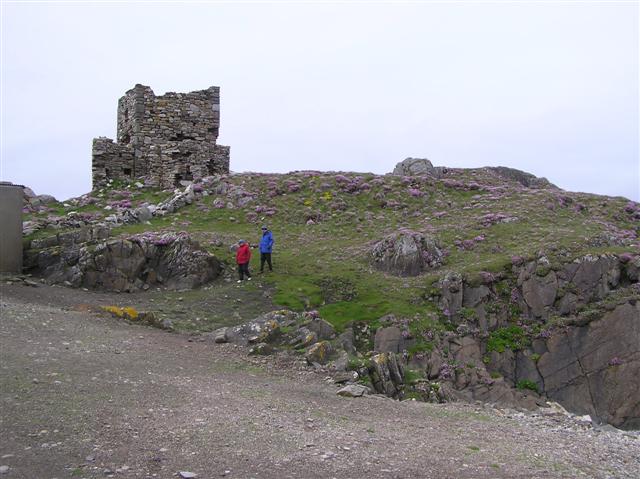 Carrickabraghy CastleCastle, tower house · 1.9 mi
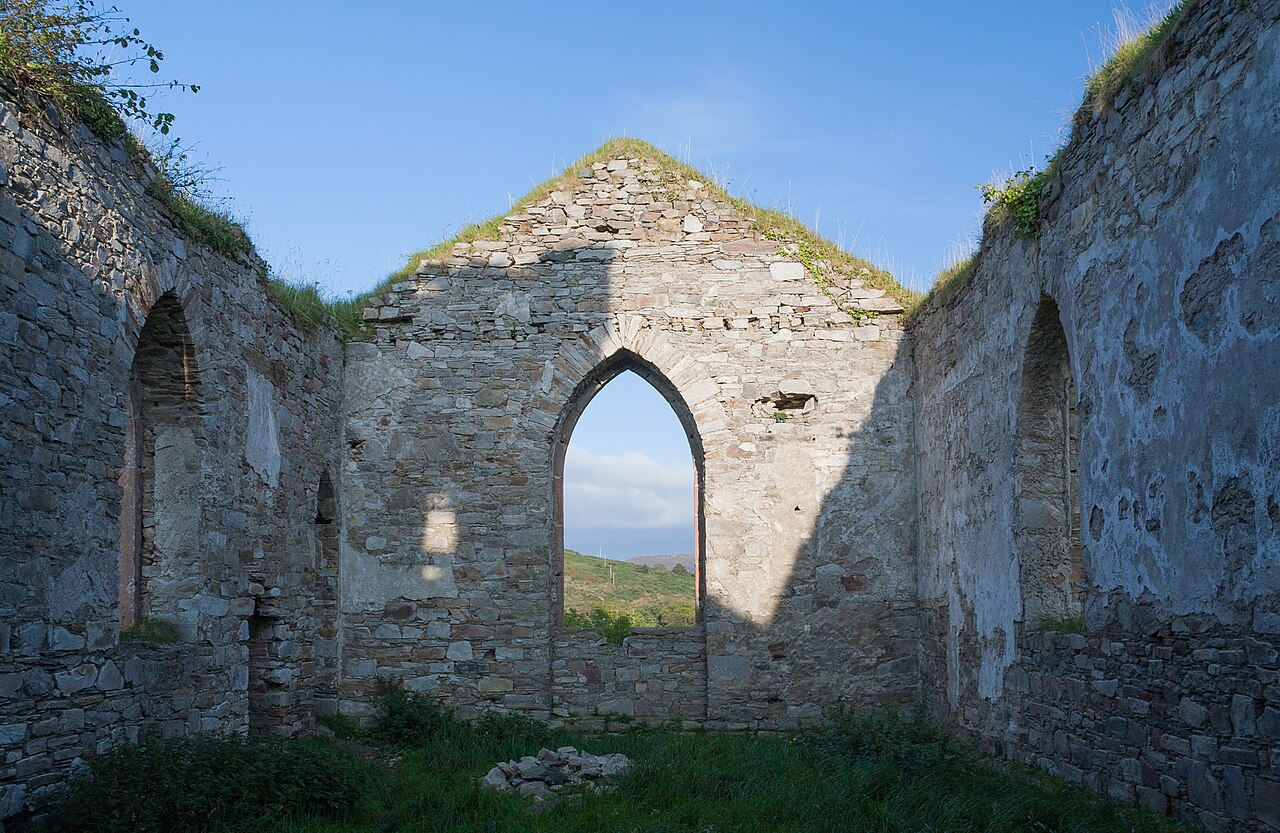 Clonmany Early Church GraveyardGraveyard · 2.2 mi
 Glenevin Waterfall WalkOfficial walking route · 2.3 mi
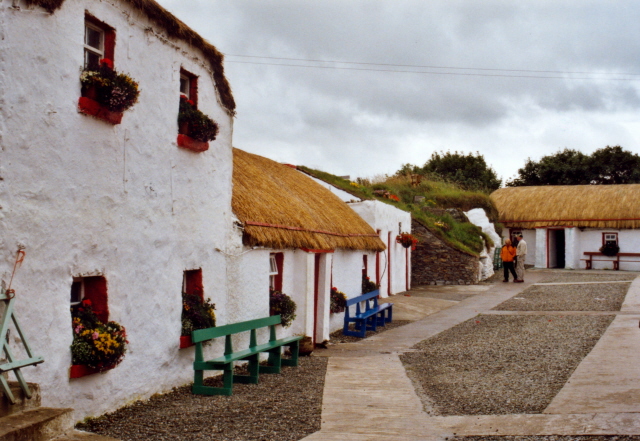 Dough Famine VillageHeritage attraction · 2.6 mi
 Doagh Famine VillageMuseum · 2.6 mi
 Glenevin WaterfallWaterfall · 2.8 mi