What is recorded here
Thirteen graveslabs, including one bearing the name Agatha de Leye, were pulled from the River Nore in 2001 after centuries submerged beneath a medieval bridge apron. The water smoothed their edges and dimmed their carvings, yet the Lombardic letters still trace a life lived before 1299. They now rest in the Medieval Mile Museum, no longer buried but waiting to be read.
Thirteen graveslabs were recovered from the River Nore during the archaeological excavations (01E980) carried out in 2001-2003 as part of the River Nore Drainage Scheme (Doyle and O’Meara 2004, 6-20). These were found associated with the late medieval bridge (KK019-026070-), immediately N of the current John’s Bridge (ibid. 7). It is suggested that the graveslabs were deliberately cleared from a graveyard, possibly belonging to either St Mary’s parish church (KK019-026115-) c. 100m to the W or to St John’s Priory (KK019-026068-) c. 200m to the NE, and used as part of the rubble needed to form a protective apron for the piers of the late medieval bridge (ibid. 16-19). Currently in the Medieval Mile Museum, former St Mary’s parish church (KK019-026115-).
Fragment of a limestone graveslab (01E0980: 2253) which consists of a sub-rectangular, heavily water worn portion of the slab (L 1.39m; Wth 0.62m; T 0.18m), with the lower dexter edge cut away (ibid. 11-12). The polished upper surface bears an incised Norman French inscription, in Lombardic lettering, along one side (ibid.). The inscription reads, ‘AGAT:DE:LEYE’, which possibly translates as Agatha de Leye (ibid.). Bradley (2003, 106-07) identified an Agatha de Leye, along with her sister Johanna, on a deed in the Kilkenny Corporation Archives, executed prior to 1299 (Doyle and O’Meara 2004, 9). This graveslab has been dated to the 14th century (ibid. 12).
Compiled by: Jean Farrelly
Date of upload: 16 January 2023
Graveslabs recovered from the River Nore, likely medieval in date, represent funerary monuments associated with early Christian or monastic sites in the Kilkenny area. Their presence in the river suggests historical disturbance or reburial, highlighting the region’s ecclesiastical heritage.
The monument record does not grant public access. Check the route and ask the landowner before entering private land.
- What survives
- Recorded monument
Places near here
 Graveslab in Gardens (kilkenny City By., St. Mary’s Par.)Graveslab · 24 yd
 Medieval Mile MuseumMuseum · 27 yd
 Almshouse in Gardens (kilkenny City By., St. Mary’s Par.)Almshouse · 53 yd
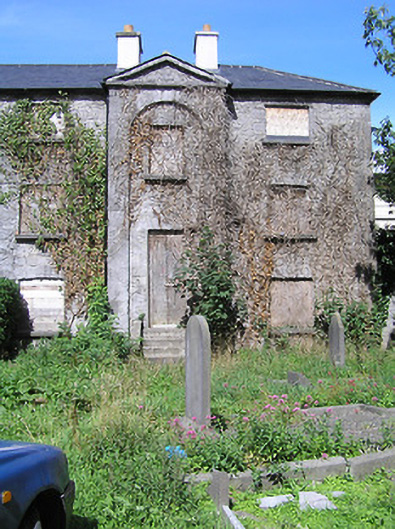 Saint Mary's Church (Saint Mary's)almshouse · 63 yd
 Tynan's Bridge Househouse · 72 yd
 TholselHeritage attraction · 83 yd
 Irish River LifeVisitor information · 108 yd
 Thomas MooreMemorial · 185 yd
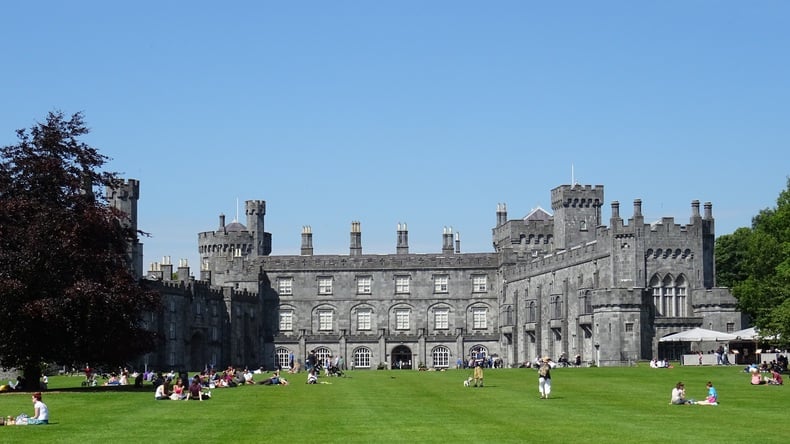 Thomas DollardMemorial · 190 yd
 Kilkenny CourthouseVisitor information · 301 yd
 Grace's Old CastleCastle · 329 yd
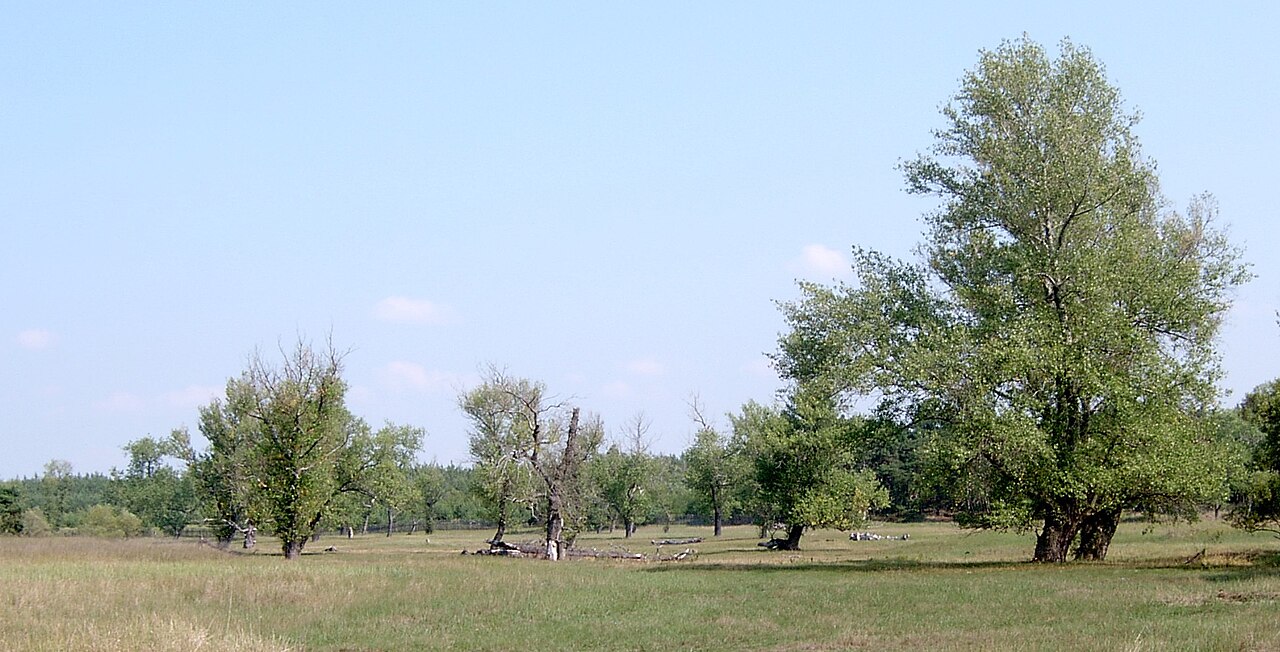 Black PoplarBlack Poplar · 797 yd