
What is recorded here
Gill Abbey stood in County Cork from 1136 until Anglo-Norman flames consumed its sanctuary in 1196, yet canons kept praying there until Ormond seized the stones in 1542. Today a park covers the ground, but two Romanesque heads and a Latin cross survive in St. Finbar's cemetery, perhaps torn from that burned chapel. They still face outward, holding the shape of a house that refused to disappear.
Gill Abbey, called after Gilla Aedha O Muidhin its first abbot; founded by Cormac MacCarthaig, c. 1136-37 for Augustinian Canons, probably with Connacht connections (O Murchadha 1985, 31-42); possibly not at first under full Augustinian rule. In 1196, Anglo-Normans of Cork burned 'the sanctuary' for fear it would be occupied by 'the men of Desmond'. Remained largely in Irish hands throughout the Middle Ages. In 1541 noted that all buildings on site necessary for use of farmer, James, Earl of Ormond. Canons appear to have been forced to leave 1542-4. Site of abbey now a park; no standing remains visible. Some decorated stone from site, now in Republican plot in St. Finbar's cemetery at Wilton; set into pointed niche are two human heads (13th century?) and latin cross (Bradley et al. 1985, 79-80); Bradley and King (1985) suggest Romanesque heads, now in St FinBarre's cathedral (CO074- ), may have come from here.
The above description is derived from the published 'Archaeological Inventory of County Cork. Volume 2: East and South Cork' (Dublin: Stationery Office, 1994). In certain instances the entries have been revised and updated in the light of recent research.
Date of upload/revision: 14 January 2009
Gill Abbey in Cork City was founded by Cormac MacCarthaig around 1136-37 for Augustinian Canons, likely with connections to Connacht. The abbey was named after its first abbot, Gilla Aedha O Muidhin, and represents an important medieval religious site in southern Ireland.
The monument record does not grant public access. Check the route and ask the landowner before entering private land.
- What survives
- Recorded monument
Places near here
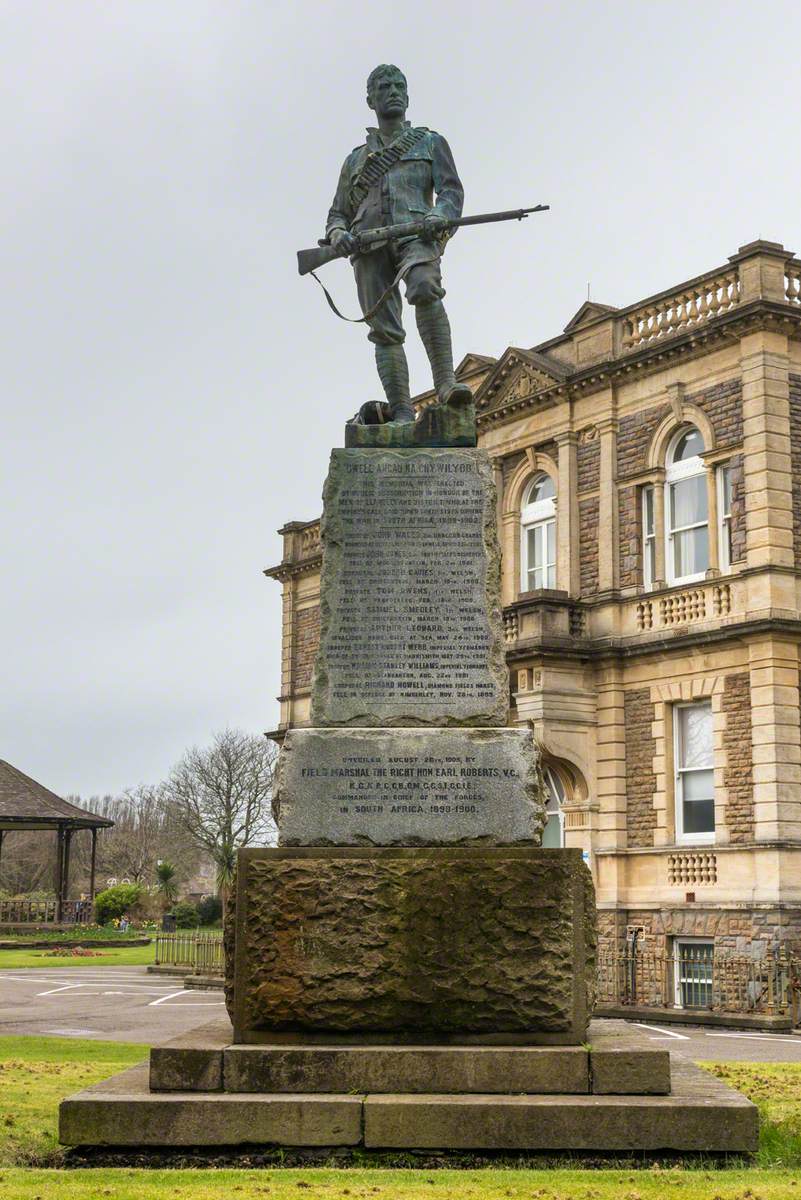 Boer War MemorialMemorial · 25 yd
 bridgebridge · 136 yd
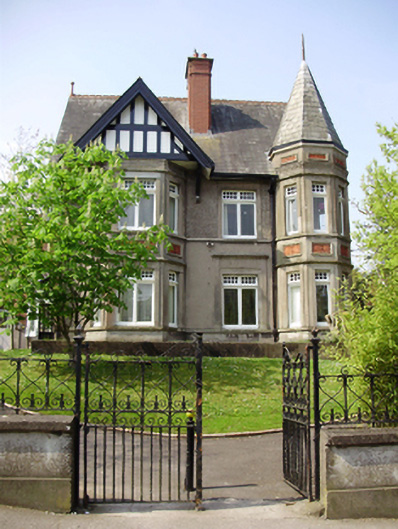 Crossleighhouse · 149 yd
 Glucksman GalleryMuseum · 207 yd
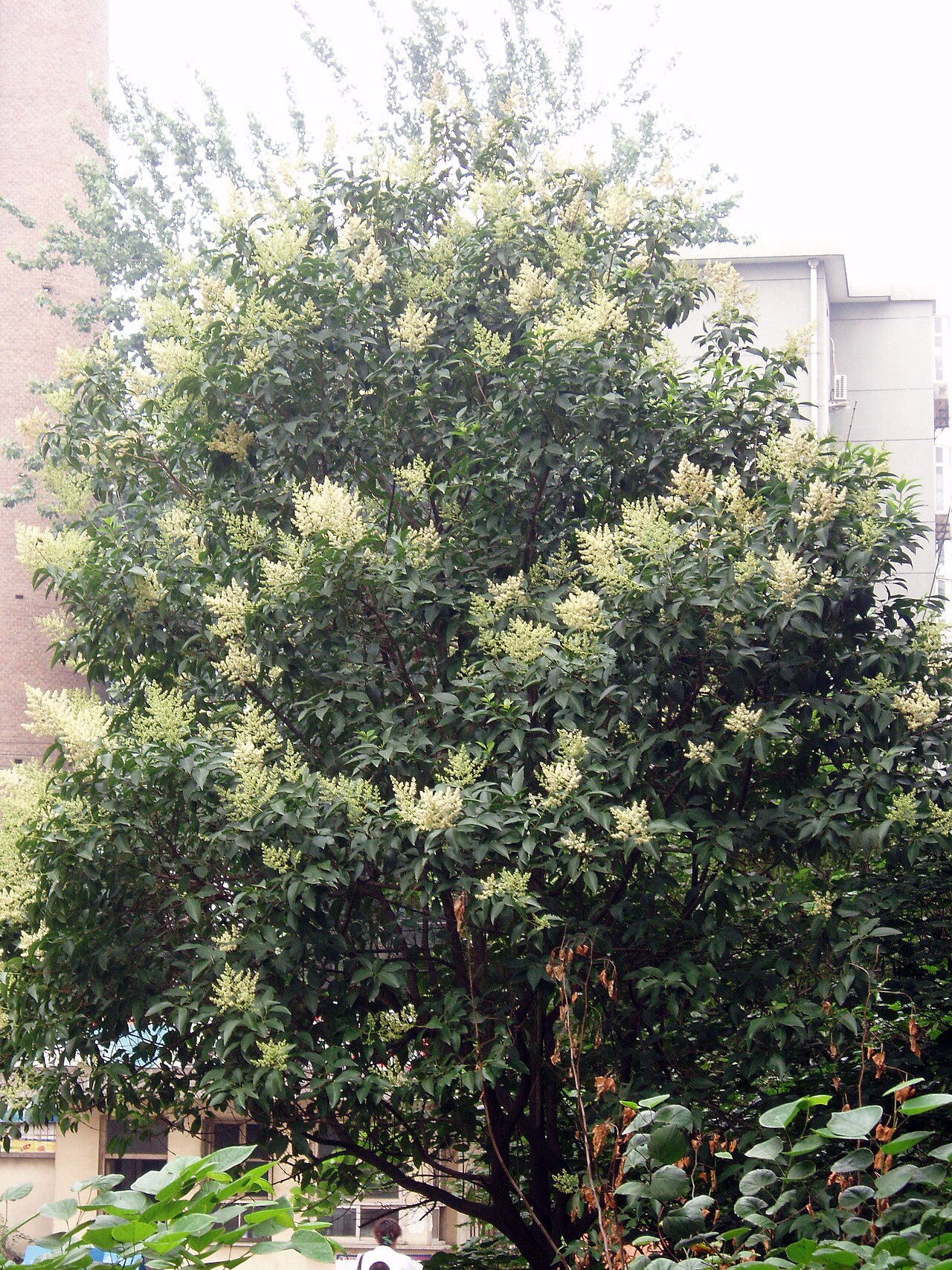 Glossy privetGlossy privet · 263 yd
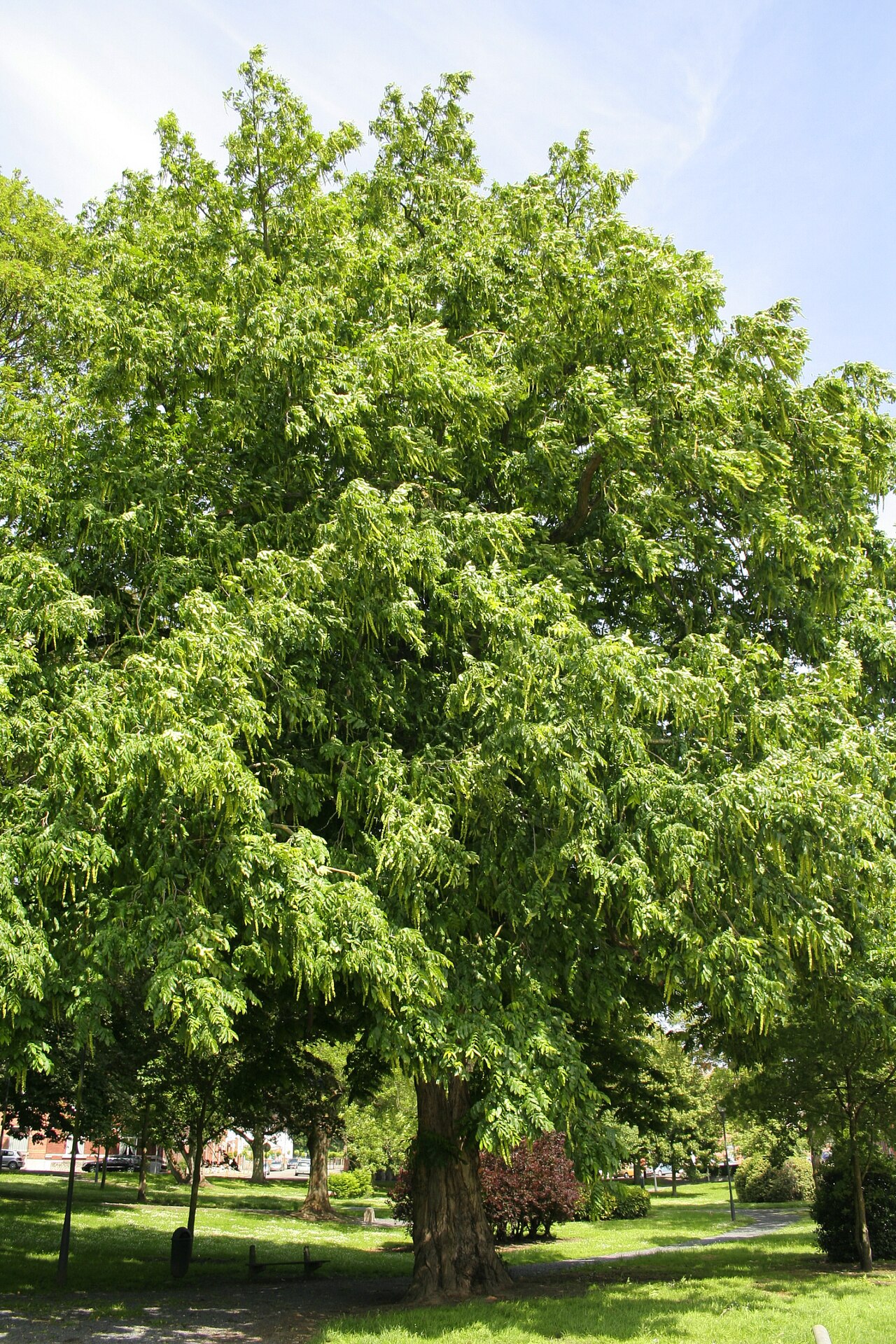 Caucasian WingnutCaucasian Wingnut · 269 yd
 Cork WalksVisitor information · 290 yd
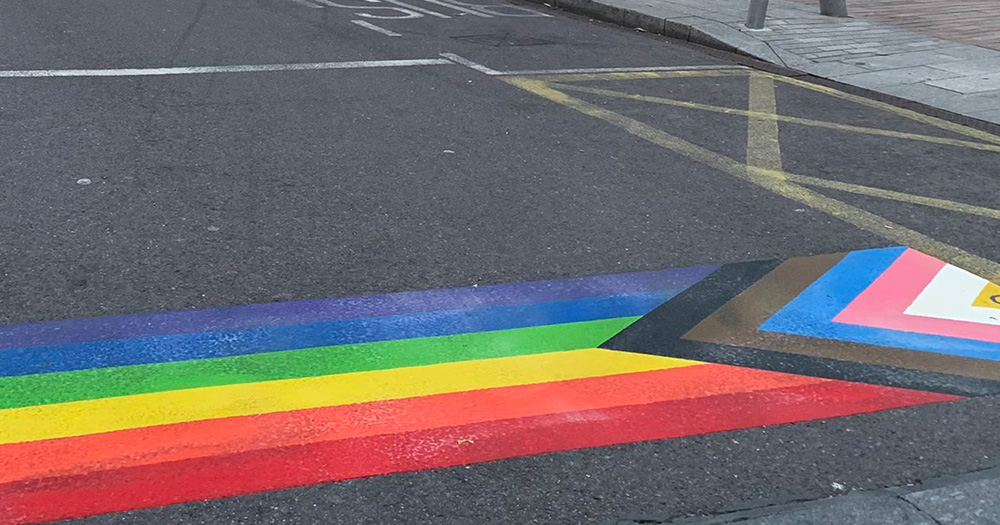 Rainbow Pride WalkwayHeritage attraction · 298 yd
 George BooleMemorial · 345 yd
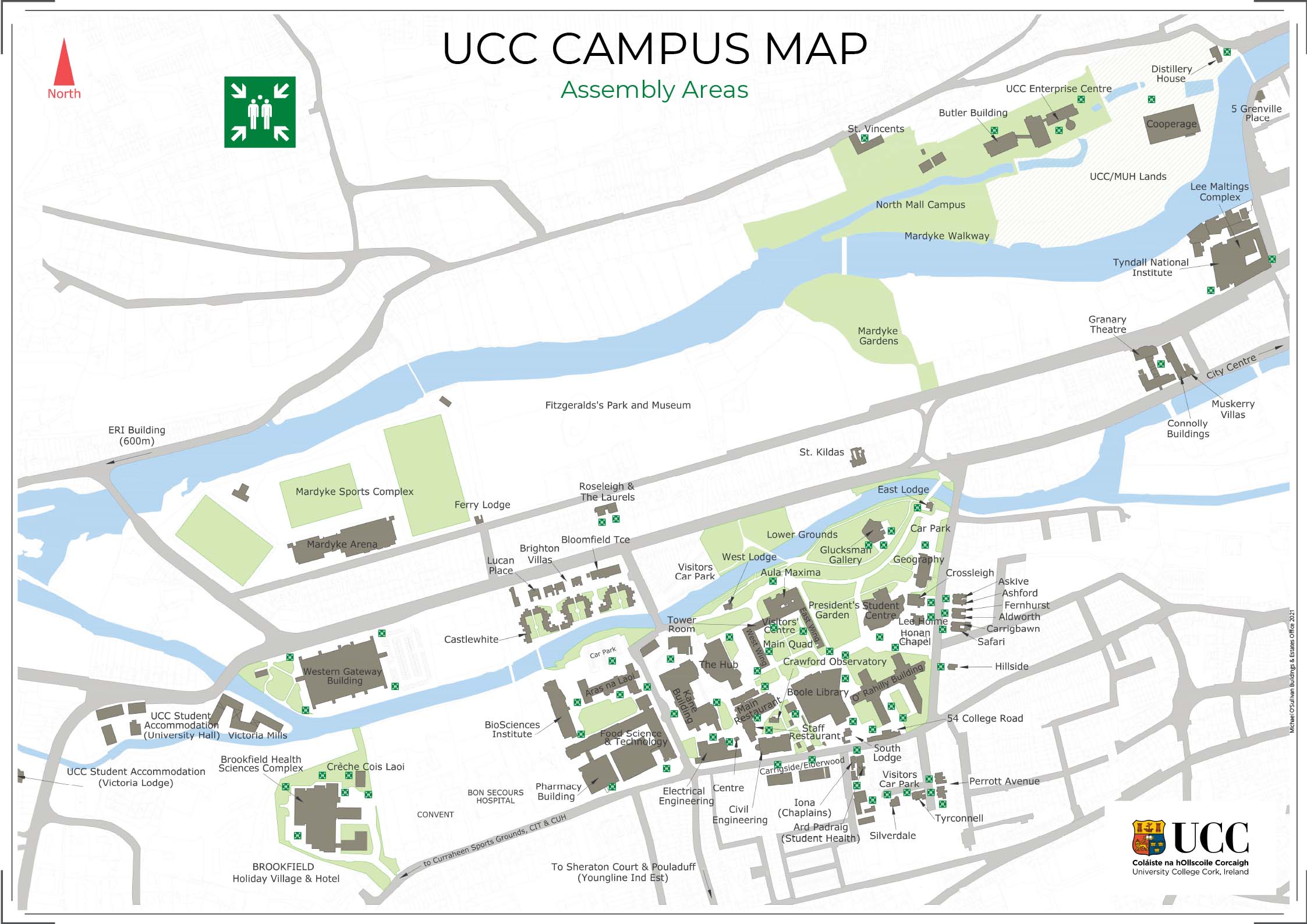 UCC Visitors CentreVisitor information · 362 yd
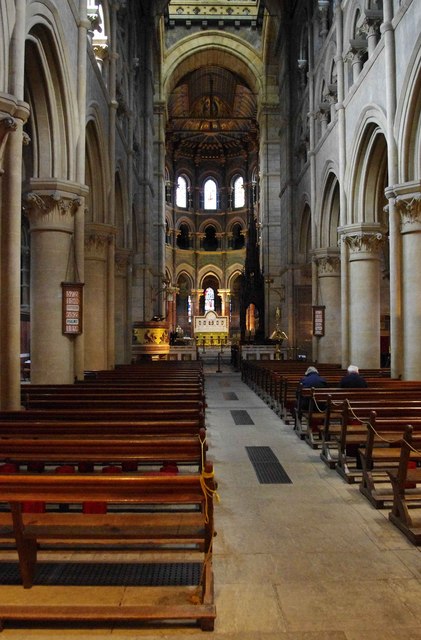 CathedralCathedral · 525 yd
 Grave Yard (1949-50)Graveyard · 525 yd
Other information
Photo: Vimalkvn · CC BY-SA 4.0