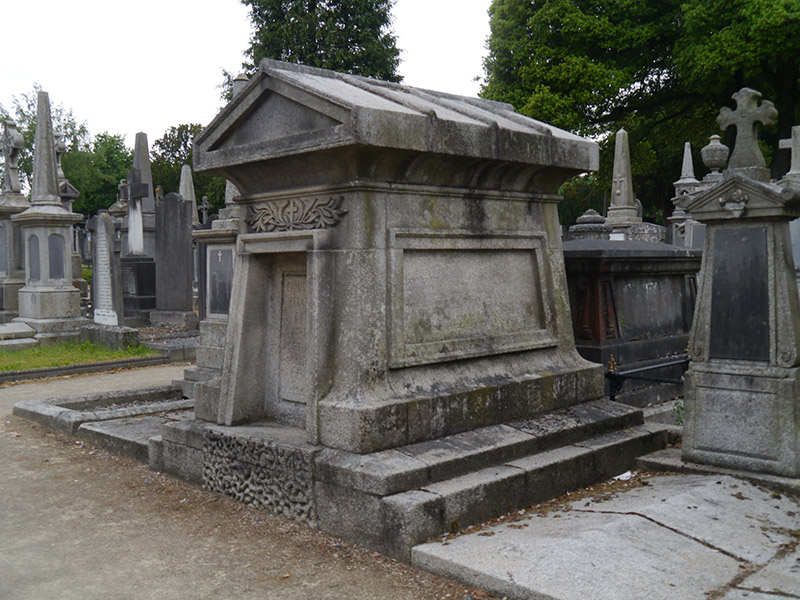
What is recorded here
Freestanding Egyptian-revival mausoleum, erected c. 1866. Pitched granite roof having pole-moulded ribs and ridge and overhanging cavetto cornice, and with pedimented gables. Tapered granite walling on sweeping plinth, having trapezoidal doorway to east end and similar blind to west. Rectangular inscribed panels to east and west long sides, with raised surrounds. Entrance has leaf and cross moulding over doorway, with inscription to closure and has vermiculated rustication to plinth beneath. Stepped ashlar granite base to monument. Located in eastern part of Glasnevin Cemetery.
A notable Egyptian-Revival funerary monument, erected over the family vault of John Fortune. The style represents a relatively unusual choice within the cemetery, although it enjoyed some popularity in the mid-nineteenth century and is representative of the Victorian penchant for exotic styles, and the greater range of architectural influences in the age of the expansion of the British Empire. Originally known as Prospect Cemetery, this burial ground was opened in 1832 following a successful campaign by Daniel O'Connell to establish Dublin's first civic, non-denominational cemetery. Strongly geometrical, the monument is well-proportioned and executed to high standards of craftsmanship and is one of a cluster of architecturally notable memorials in this early part of the cemetery, which was known as Curran Square, offering premium plots that reflected the status and social standing of those interred there during the early decades of the cemetery's operation. The monument makes a strong contribution to the architectural and stylistic variety of this, one of Europe's most notable civic cemeteries.
This does not grant access. Most recorded buildings are privately owned; view them only from public ground unless the owner allows entry.
Places near here
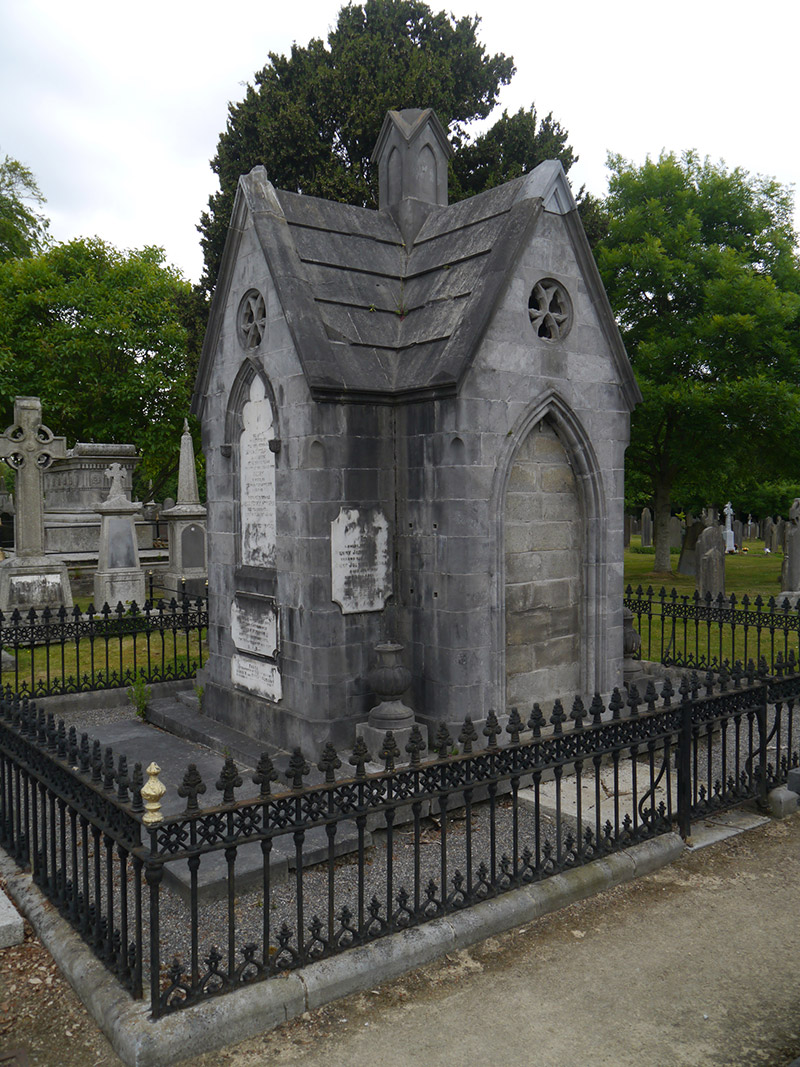 Monahan Mausoleummausoleum · 6 yd
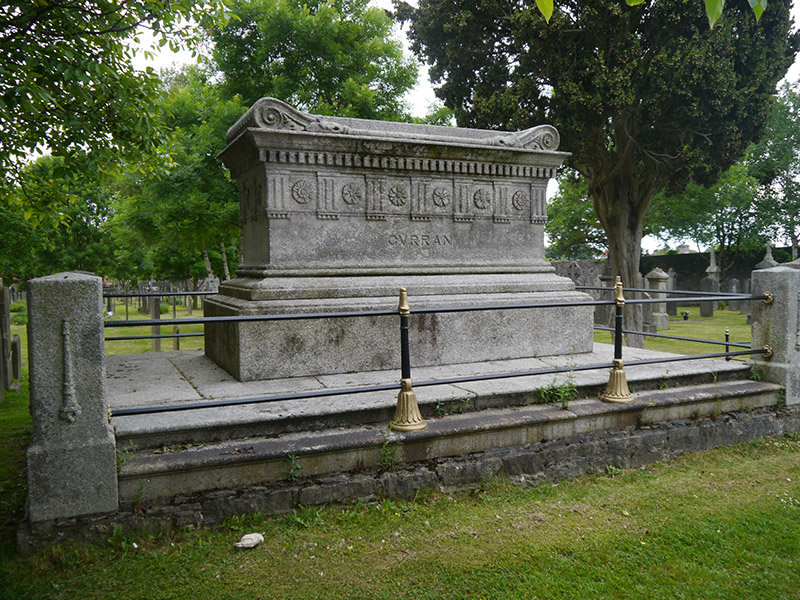 John Philpot Curran MonumentGrave monument · 19 yd
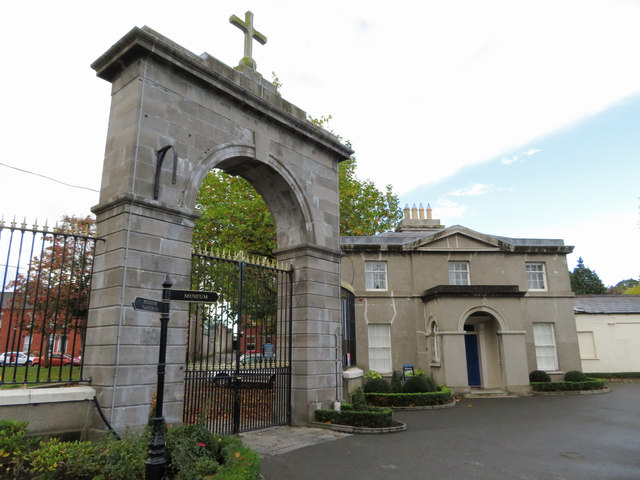 Glasnevin cemetery Ireland's necropolisVisitor information · 51 yd
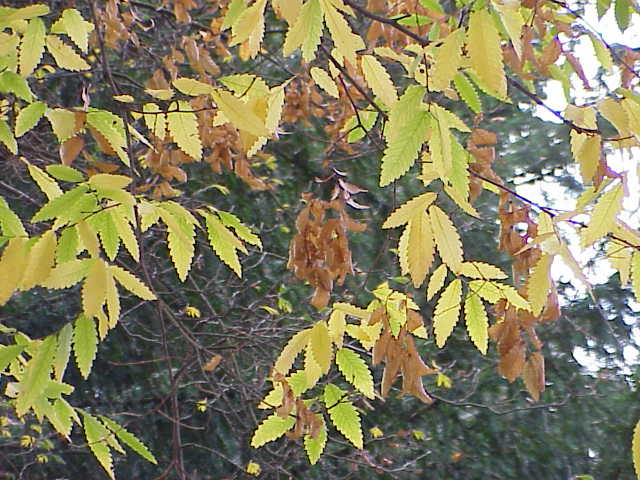 Caucasian zelkovaCaucasian zelkova · 189 yd
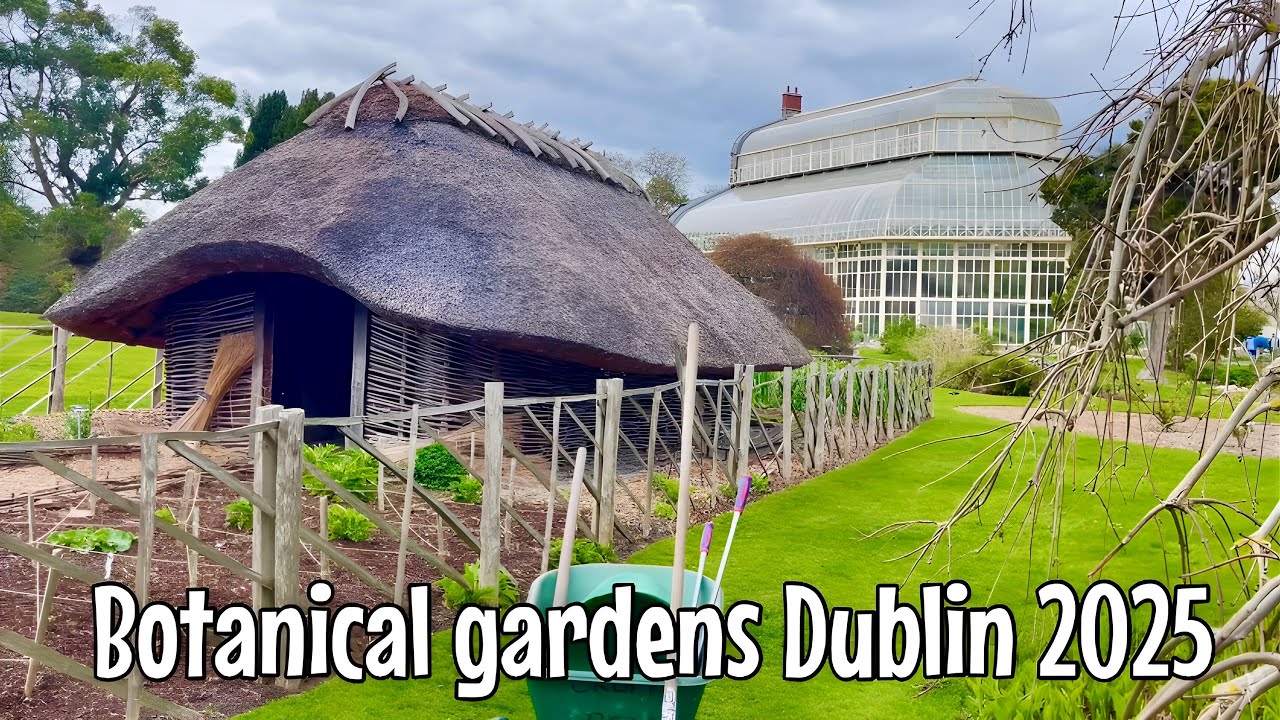
 Reconstructed viking houseHeritage attraction · 210 yd
 National Botanic GardensHeritage attraction · 266 yd
 OaksWood · 294 yd
 Glasnevin VillageVisitor information · 297 yd
 Republican plotMemorial · 314 yd
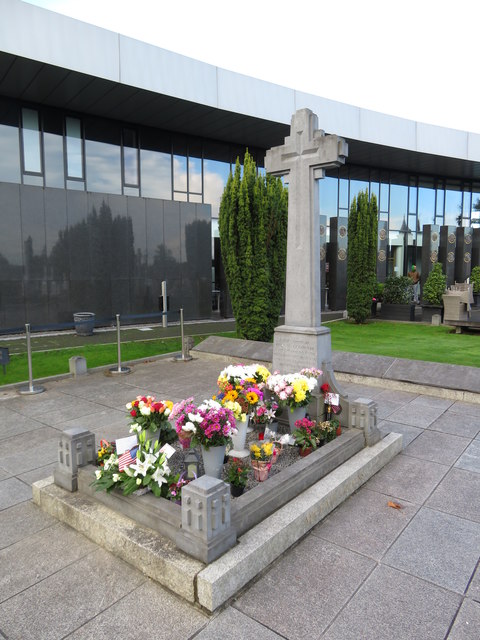 Michael CollinsMemorial · 316 yd
 IndicatedHoly well · 390 yd
 Burial in Unknown TownlandBurial · 558 yd
Other information
Photo: National Inventory of Architectural Heritage · Website use allowed for educational or private purposes with source credit