
What is recorded here
Early medieval church and graveyard (WM007-045002-) at Faughalstown, reputedly founded in the sixth-century by Diarmuid, son of Lughna, possibly descended from the Uí Fiachrach clan. Faughalstown or Fochlaid was possibly a proprietory church of the Uí Fiachrach Cúile Fobair (Masterson 1998, 44-5). Diarmuid was the patron saint of the parish of Faughalstown (Ó Riain 2011, 516).
The poor survival of the building makes it difficult to be certain about the original layout of the church. It is not clear if it is an undivided church or the remains of a nave and chancel structure. Only the lower wall footings of a possible nave and chancel church remain standing in NE quadrant of oval-shaped graveyard (WM007-045001-) with curving field boundary of larger ecclesiastical enclosure (WM007-045002-) 40m N of church overlooking shoreline of Lough Derravaragh 160m to SSW. Wayside cross (WM007-049----) 620m to E, St. Dermots Well (WM007-048----) located 430m to SSE, Mortimer's Castle (WM007-044----) 690m to WNW.
Poorly preserved remains of a nave (approx. dims. 8.5m N-S; 13m E-W) and chancel (approx. dims. 7m N-S; 6.5m E-W) church (overall approx. ext. dims. 8.5m N-S; 19.5m E-W) built with random limestone rubble, gap (Wth. 2m) in S wall of the nave located off centre to W may mark the site of a doorway but no dressed stone is visible, a gap directly opposite in the N wall appears to be the result of collapse. The line of the chancel is marked by a rebate visible in the N and S walls of the church. A single jamb of a broken out window is visible in the S wall of the nave located off centre to E. The interior of the church is covered in briars and other vegetation making detailed examination impossible.
Compiled by: Caimin O'Brien
Date of upload: 8 August 2017
Faughalstown Church was likely founded in the sixth century by Diarmuid, son of Lughna, possibly of the Uí Fiachrach clan, and is associated with early Christian settlement in the region. Its dedication and architectural style are not specified, but it reflects the broader pattern of early medieval monastic foundations in Ireland.
The monument record does not grant public access. Check the route and ask the landowner before entering private land.
- What survives
- Recorded monument
Places near here
 Font in FaughalstownFont · 46 yd
 Mortimer's CastleArchaeological place · 850 yd
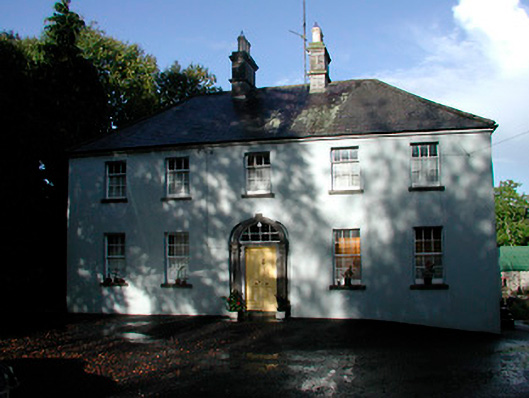 Grangestown Househouse · 1.1 mi
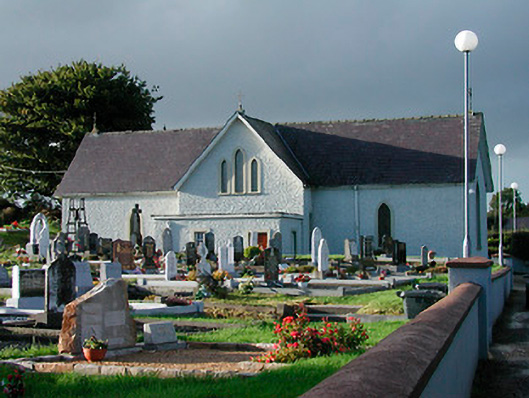 Catholic Church of Saint John the Baptistchurch/chapel · 1.3 mi
 Bawn in KiltoomBawn · 1.4 mi
 KnockeyonMountain / peak · 2.0 mi
 Bridge Memorial (Kenna)Memorial · 2.8 mi
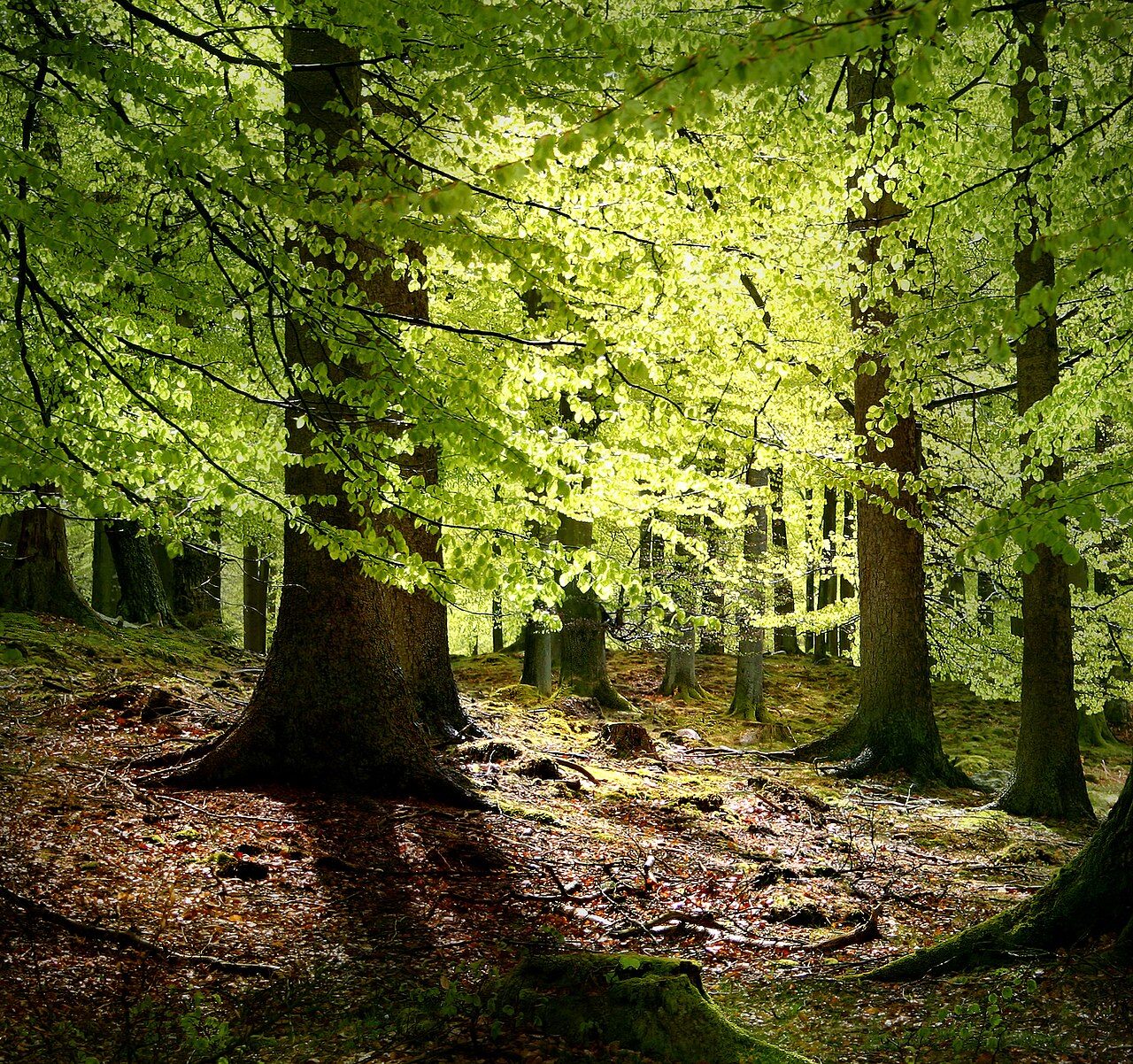 European BeechEuropean Beech · 2.8 mi
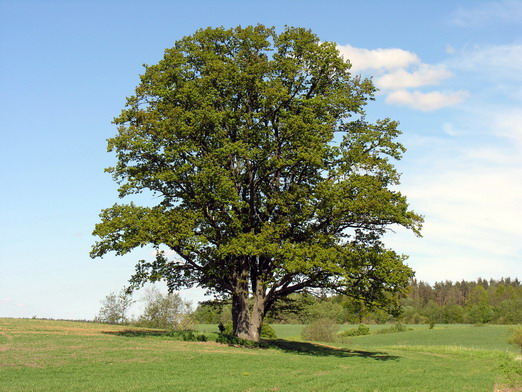 Pedunculate OakPedunculate Oak · 2.9 mi
 South East GateHeritage attraction · 5.0 mi
 St Feichin's MillHeritage attraction · 5.0 mi
Other information
Photo: Credit not shown in the picture search · Rights wording not checked; contact us if this picture should be removed