What is recorded here
One of six cross-slabs (DU018-278-283-) now located inside St Patrick’s Cathedral (DU018-020269-). Tapering granite cross-slab (L 1.71m x Top Wth 0.52m; Base Wth 0.32m x T 0.1m) with slightly convex sides located on the S side of the choir of St Patrick's Cathedral (DU018-020269-). Listed by Crawford as stone 1c and described as; ‘A granite slab 5 ft. 6 in. [1.67m] by 1 ft. 9 in. [0.53m] by 6 in. [0.15m] thick, carved with a ringed Latin cross formed of marginal lines in relief. (This stone lies outside the S. wall of the choir)’. Described by Ronan (1941, 2, 7) as stone A located in the N choir aisle of St Patrick’s Cathedral decorated with a, ‘cross in single circle, central cup: below; design with shaft of 6 raised lines ending in a boss with incised swasitka? Whether the two pillars in the N. choir aisle of St. Patrick's Cathedral were sepulchral or Mass stones we have no means of knowing. They are undressed pillars of granite of nearly 6 feet [1.8m] high, and on one of them is an elaborate pattern terminating in, or rising from, a boss with what seems to be an inscribed swastika. It is interesting to note that all those St Patrick’s stones have bosses or cups in the circle’. There is a small irregular shaped notch at the top which may be natural. The surface of the stone is decorated on one side only with an encircled Greek cross in raised outline, beneath which there is a Latin cross formed by recessing the head and arms. The shaft is defined by two incised lines. The shaft rises from an incised encircled saltire cross with slightly curved arms. On either side of the shaft of the Latin cross are small incised Latin crosses in outline. Originally intended to lie in a recumbent position (Ó hÉailidhe 1973, 59-60; Swords 2009, No. 3, 74).
Compiled by: Caimin O'Brien
Dateable to the early medieval period (c. 8th–11th century), the cross-slab likely served a Christian liturgical or commemorative function, possibly as an altar stone or high cross fragment. Its placement within St Patrick’s Cathedral suggests historical ecclesiastical reuse or relocation from an earlier monastic or church site.
The monument record does not grant public access. Check the route and ask the landowner before entering private land.
- What survives
- Recorded monument
Places near here
 Cathed., St. PatricksCathedral · 1 yd
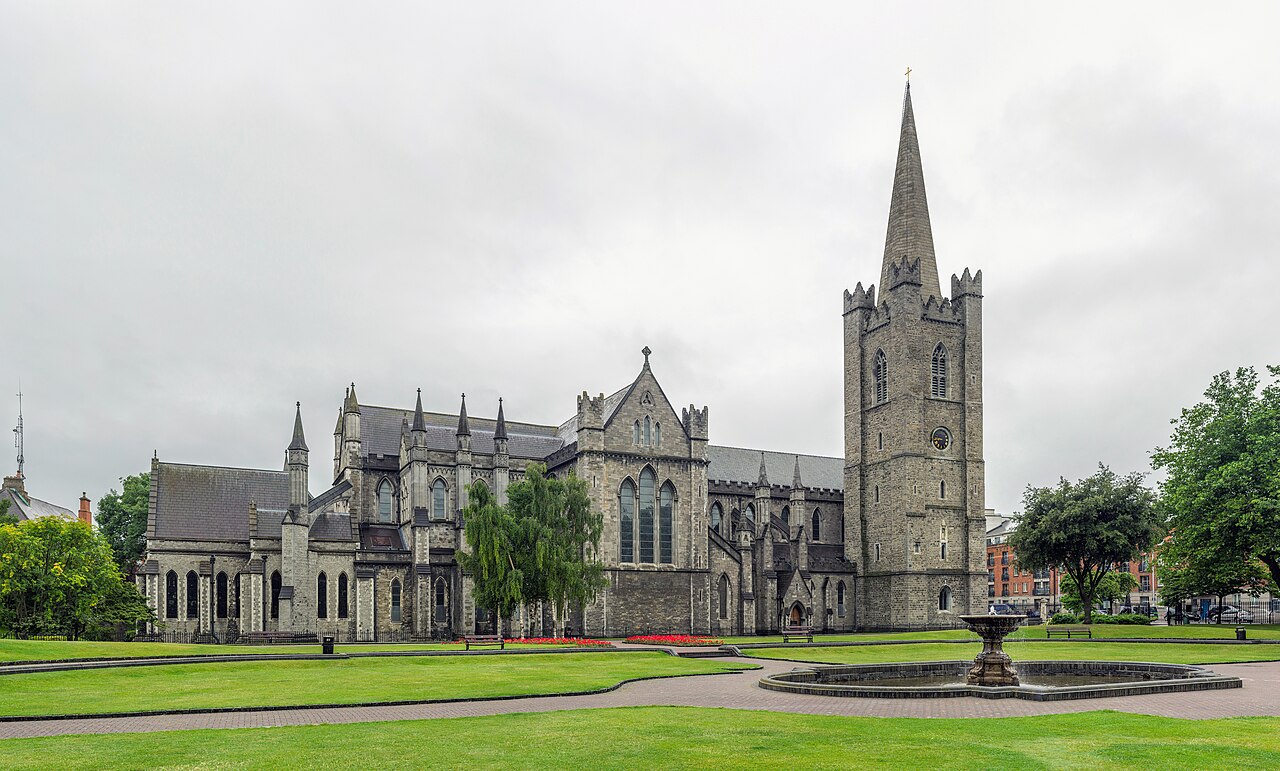 Saint Patrick's CathedralHeritage attraction · 13 yd
 Font in Unknown TownlandFont · 49 yd
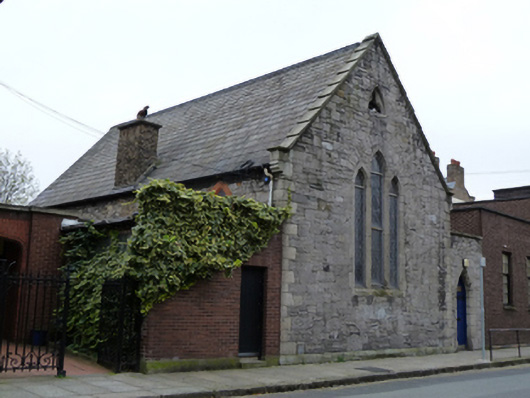 Saint Patrick's Cathedral Choir Schoolschool · 54 yd
 Marsh's Librarylibrary/archive · 65 yd
 Site of Saint Patrick's wellMemorial · 78 yd
 Litterary paradeMemorial · 114 yd
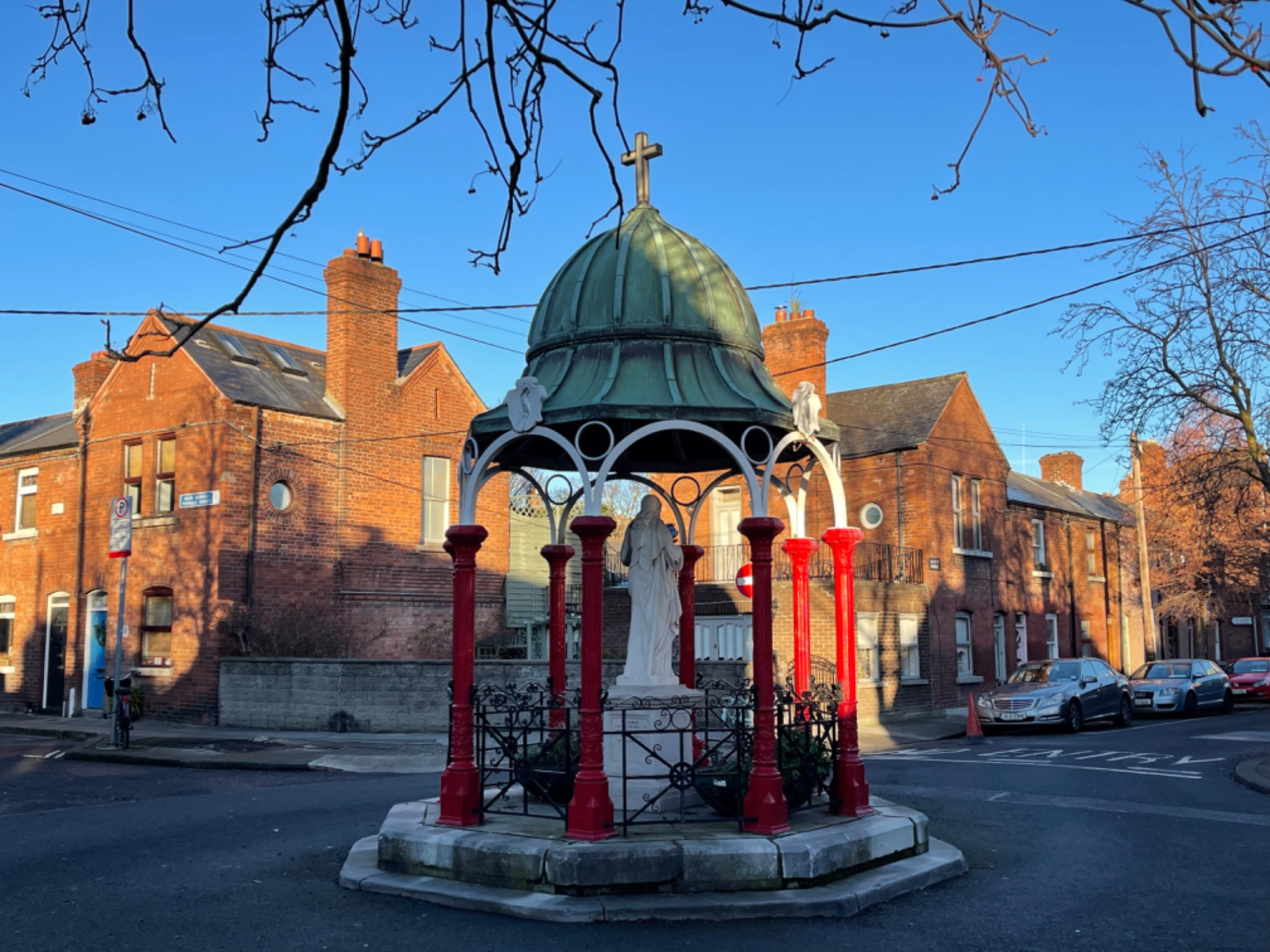 Pallas StudiosGallery · 240 yd
 Medieval DublinVisitor information · 526 yd
 Battle of DublinMajor battlefield · 552 yd
 European PearEuropean Pear · 1055 yd
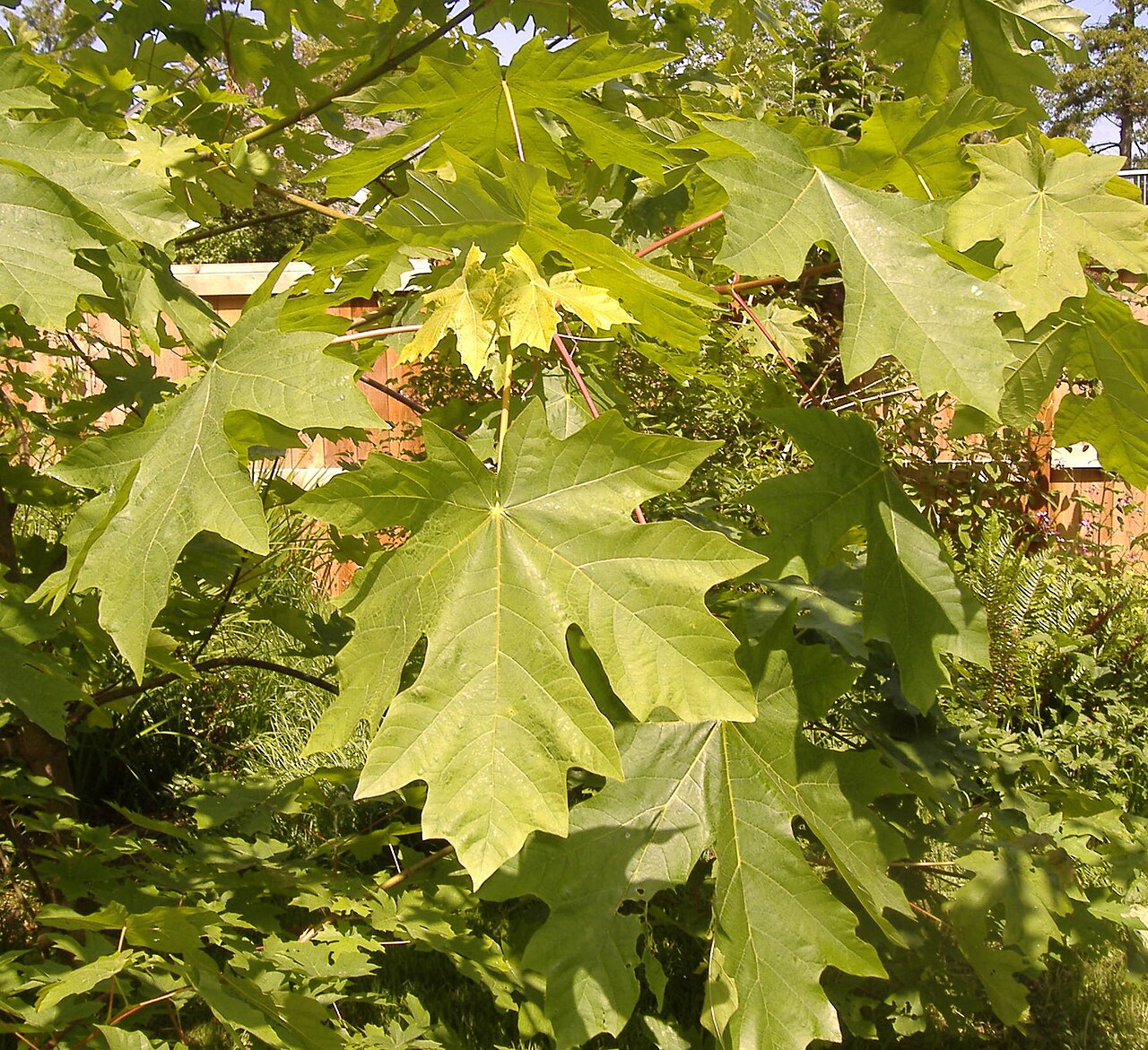 Bigleaf MapleBigleaf Maple · 1205 yd