What is recorded here
Ten early Christian cross-slabs emerged in 1988 when a pathway cut through the Clonenagh graveyard, revealing false relief and incised marks hidden beneath soil. They now stand upright against the inner east wall, including slab three with its double-line border and spirals, yet grass and debris still bury their bases. The stones survived neglect and reappear only when people dig, suggesting the graveyard keeps its own time and reveals itself on its own terms.
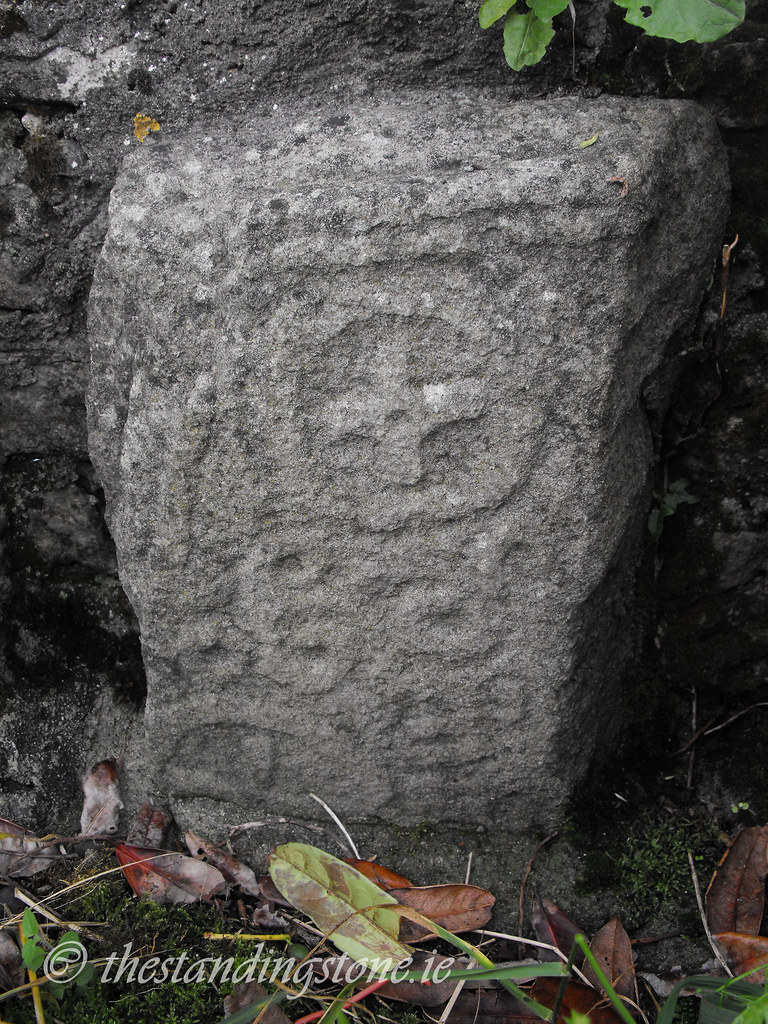
In an elevated area. In 1988 ten early Christian cross-slabs, rectangular in shape were uncovered during the digging of a pathway through the graveyard (LA017-003007-) at Clonenagh. Three are in false relief, the remainder are simple incised crosses. These cross-slabs have been attached to the inner E face of the graveyard wall in the W quadrant of the graveyard.
The slabs have been numbered one to thirteen by Manning in his article entitled 'Cross-Slabs from Clonenagh, Co. Laois' (1998, 185-192). The slabs are upright just inside the gateway to the graveyard. This area has been used as a dumping place for cut grass and other debris that has resulted in the base of the slabs being covered in soil and vegetation.
Slab 3 'is the corner of a large slab (H 0.37m, Wth 0.27m, T 0.09m) decorated on one face only. A double-line border along its two original edges forms an obtuse angle to avoid the right-angled corner of the stone, where part of the face was missing prior to carving. There are two Greek crosses within circles in flase relief and with tiny holes at their centres visible. One is incomplete. The remainder of the surface is decorated with spirals' (Manning 1998, 187).
Compiled by: Caimin O'Brien
Date of upload: 17 December 2007
Dated to the early Christian period (6th–10th centuries AD), the cross-slab in Clonenagh likely served a commemorative or liturgical function, reflecting the spread of Christianity in Ireland. Such stones often bore Christian symbols and were associated with monastic or burial sites.
The monument record does not grant public access. Check the route and ask the landowner before entering private land.
- What survives
- Recorded monument
Places near here
 Ritual siteRitual site, holy tree/bush · 36 yd
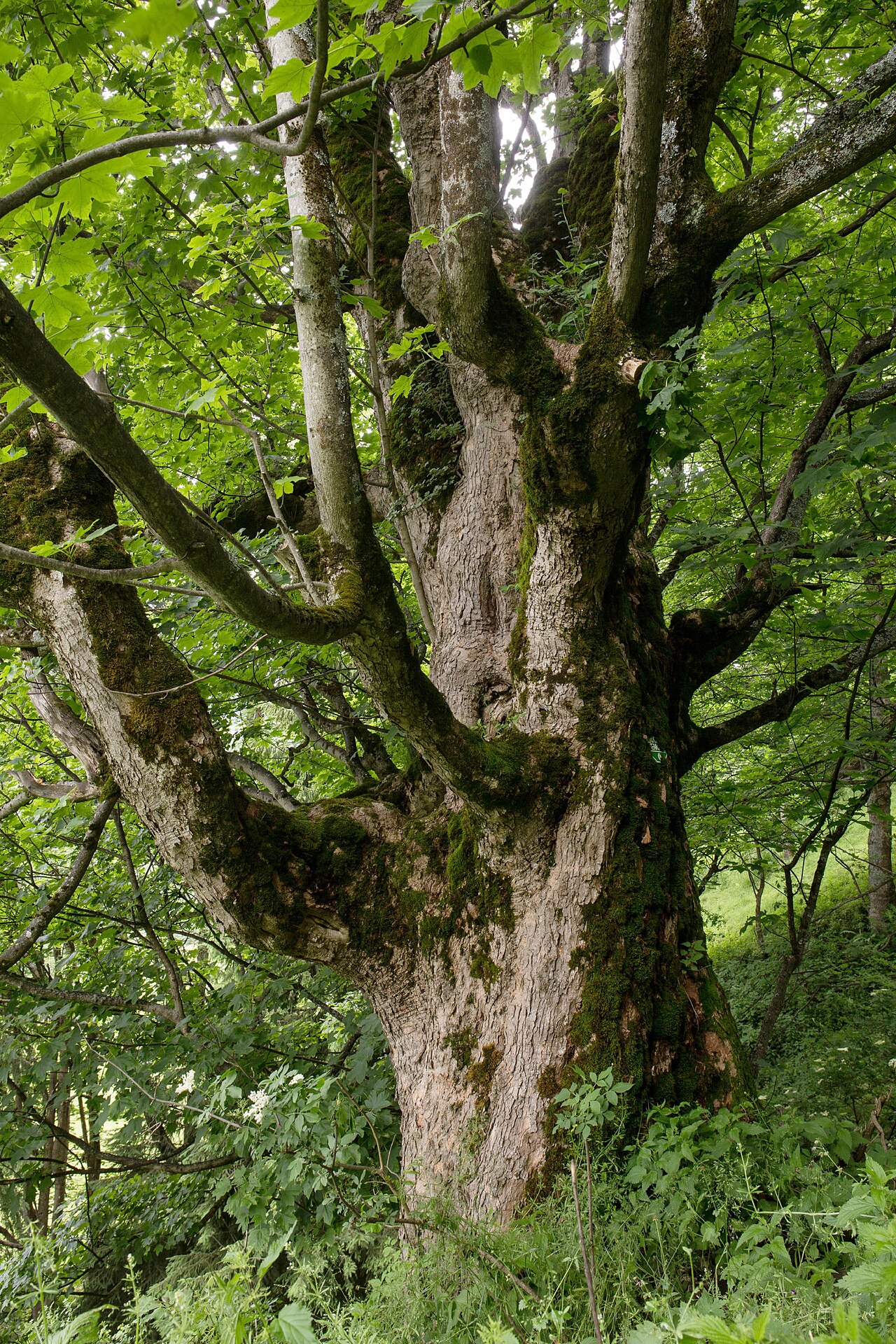 SycamoreSycamore · 40 yd
 Church in ClonenaghChurch · 140 yd
 Church (in Ruins)Church · 220 yd
 CastleCastle, motte · 259 yd
 Church (Site of)Church · 503 yd
 Castle in ruins, Red Castle FortCastle, unclassified · 1.0 mi
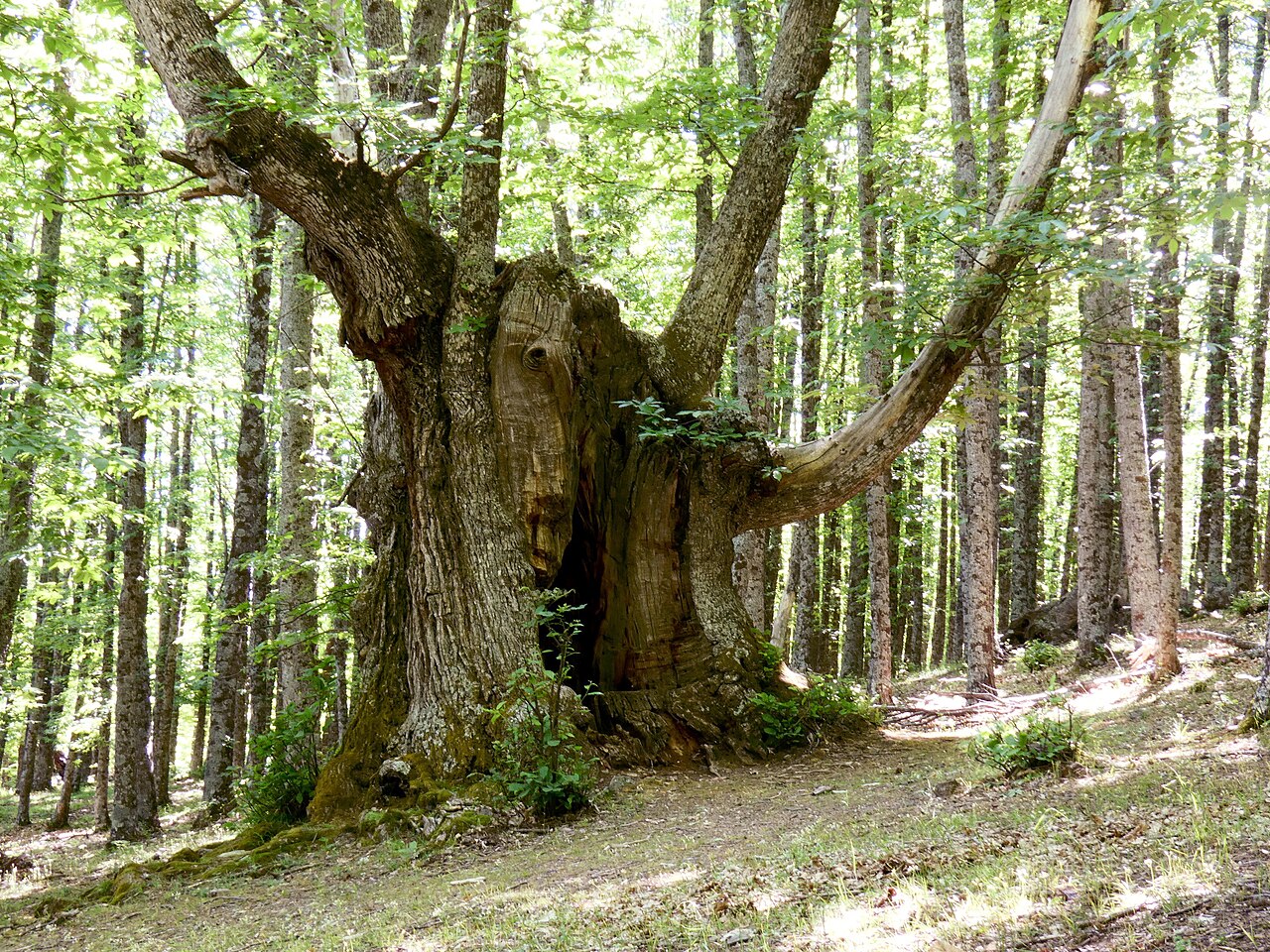 Sweet ChestnutSweet Chestnut · 4.2 mi
 BaunreaghcongMountain / peak · 6.3 mi
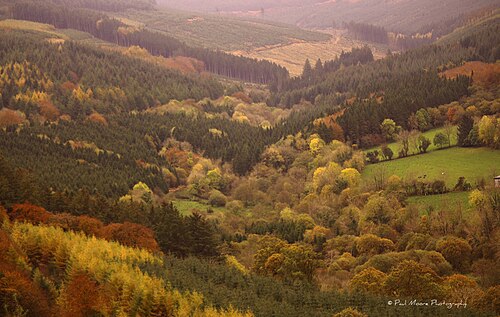 Slieve Bloom MountainsMountain range · 8.6 mi
 ArderinMountain / peak · 9.9 mi
 Slieve Bloom WayWalking route · 11 mi