What is recorded here
A monastery at Lemanaghan (Liath Manchán) was founded in the 7th century by Manchán whose feastday is celebrated on the 24th of January (Ó Riain 2011, 429). Early Christian cross-inscribed stone the location of which is now lost. Described by Crawford (1911, 152-3) as a ‘rough piece of reddish sandstone, 27 inches (0.68m) by 20 inches (0.5m) by 4 inches (0.1m) thick, having a Greek cross, with almost square expanded ends, and centre bounded by curved lines, incised in a circle 14½ inches (0.37m) in diameter, and surrounded by a second circle 2 inches (0.05m) larger. The centre contains an irregular hollow or cup, which seems to have been smaller originally and to have formed the centre of a crosslet. The latter is now almost obliterated by the flaking away of the stone. This slab is lying on a grave west of the church (OF015-004003-) and close to the stile in the boundary-wall (OF015-004004-)’. This cross-inscribed stone is remarkably similar to a cross-inscribed stone (OF015-004022-) recorded in 1988 (Kelly 1998, 97).
Compiled and revised by: Caimin O’Brien
Date of revised upload: 17 August 2018
Probably dating to the early Christian period (7th–9th century), the cross-inscribed stone likely served a religious or commemorative function, possibly associated with the monastery founded by St Manchán. Such stones often carried Christian symbols and inscriptions linked to local saints or ecclesiastical sites.
The monument record does not grant public access. Check the route and ask the landowner before entering private land.
- What survives
- Recorded monument
Places near here
 St. Managhans ChurchChurch · 20 yd
 Grave YardGraveyard · 33 yd
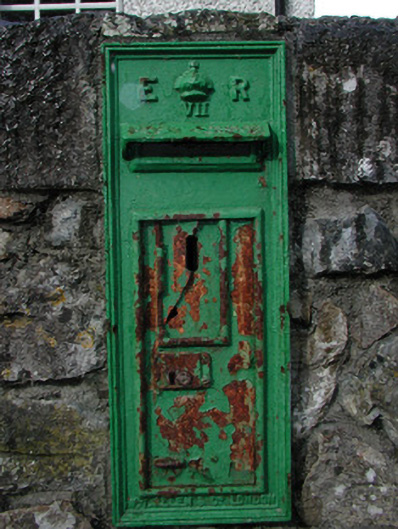 post boxpost box · 43 yd
 FontFont · 54 yd
 Lemanaghan CastleCastle, tower house · 90 yd
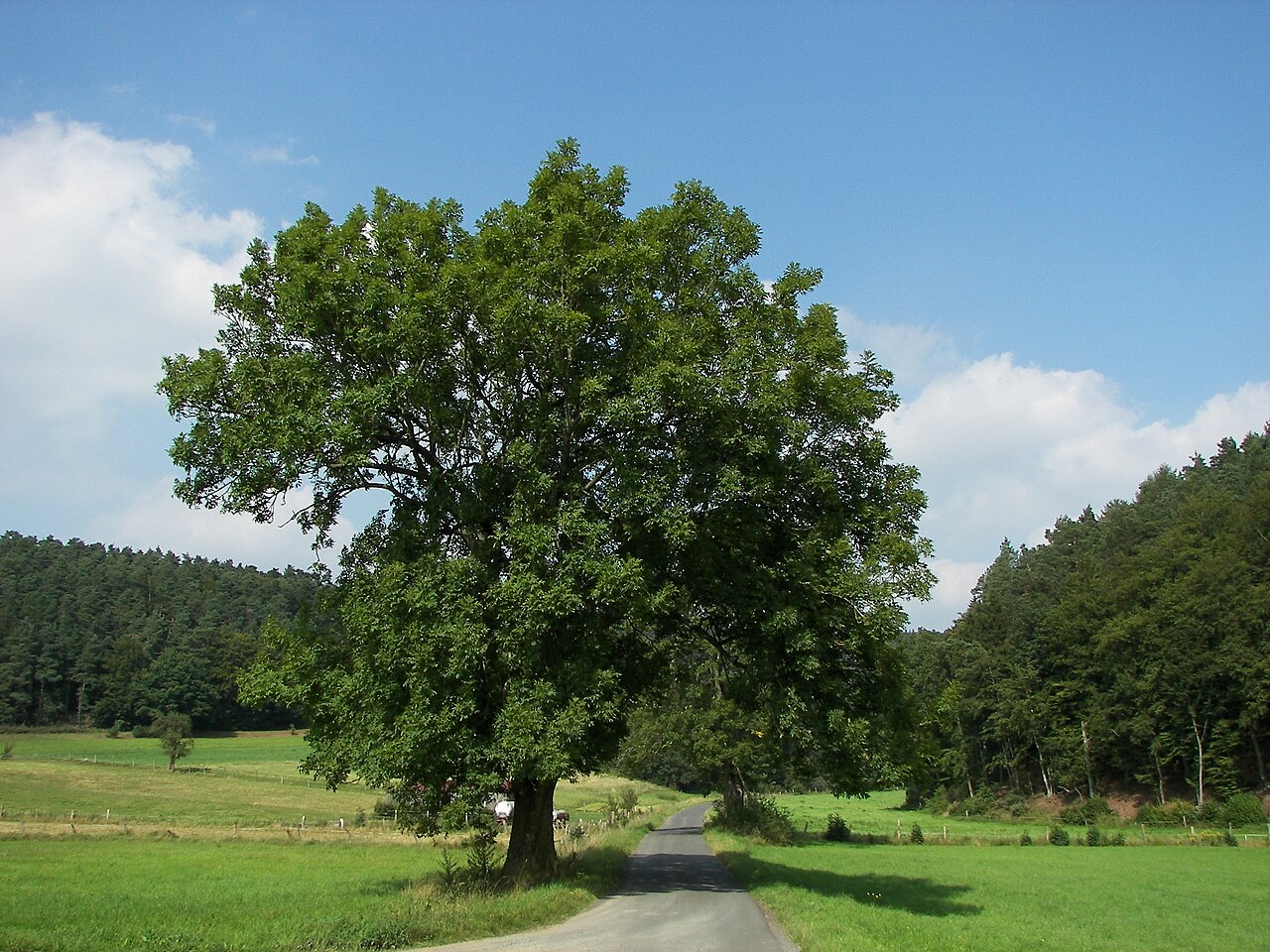 European ashEuropean ash · 96 yd
 Castle ArmstrongHouse, fortified house · 1.9 mi
 Cocta HillMountain / peak · 2.2 mi
 Saint Reaghan's WellSpring · 3.3 mi
 Ballylin Bog BoardwalkHeritage attraction · 3.8 mi
 Inchaloon IslandIslet · 3.9 mi
 Endrim HillMountain / peak · 4.5 mi