What is recorded here
Death and mockery both lived inside that stone. Some called it a mass rock where banned priests risked everything for one hidden ceremony, others called it a grave marker for the man they killed, and still others saw a cross chopped headless as punishment. The names changed, but the shape did not. They cut through the sacred symbol instead of burying the person, as if wanting to erase the meaning itself. The rock still stands because refusal can be stubborn even when small.
The official Northern Ireland record identifies this as CROSS-INCISED BOULDER; PENAL ALTAR: THE MASS ROCK or THE PRIEST'S GRAVE or THE HEADLESS CROSS. Recorded period: POST-MED. Recorded protection: Scheduled. The official map point was placed at the centre of the recorded archaeological site from the source map reference.
Penal altar, post-medieval period, associated with Catholic worship under persecution. Significance lies in its role as a clandestine religious site during the Penal Times in Ireland.
The monument record does not grant public access. Check the route and ask the landowner before entering private land.
- What survives
- Recorded monument
Places near here
 Enclosure or relic field system in DunteigeEnclosure or relic field system · 694 yd
 Craigy HillMountain / peak · 706 yd
 ENCLOSURE in LinfordENCLOSURE · 941 yd
 BallycoosMountain / peak · 1235 yd
 Ballygally CastleHeritage attraction · 3.0 mi
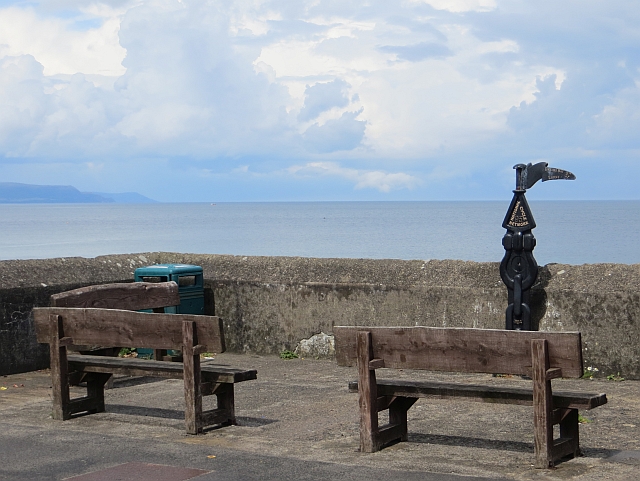 Millennium MilepostVisitor information · 3.1 mi
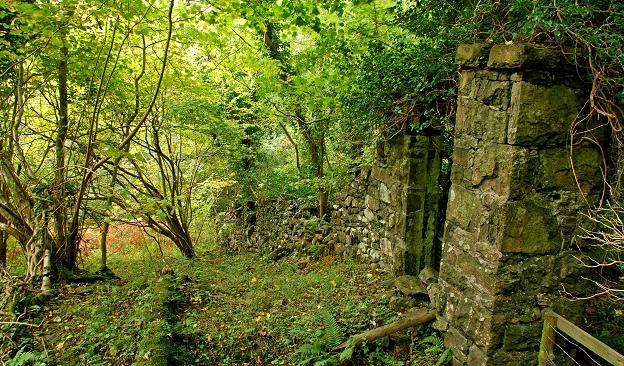 Glenarm ForestForest · 3.2 mi
 CairncastleRuins · 3.5 mi
 Garden TrailWalking route · 3.7 mi
 Ballygalley HeadCliff · 3.7 mi
 Hillmount HouseCastle · 4.3 mi
 Presbyterian ChurchChurch · 4.4 mi