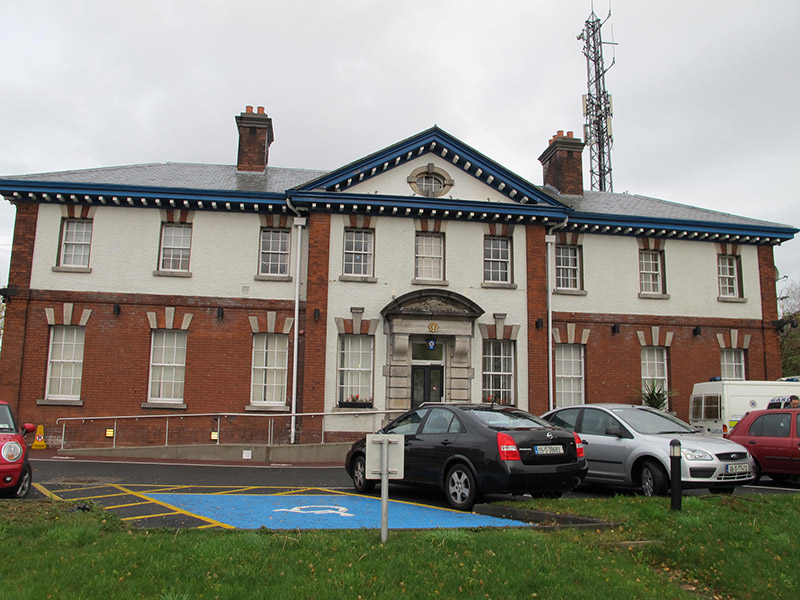
What is recorded here
Detached nine-bay two-storey police station, dated 1909, having pedimented breakfront to front (south) elevation and U-plan flat-roofed single-storey block to rear (north) elevation. Now in use as Garda station. Hipped natural slate roof, surrounding central well, with red brick chimneystacks, cast-iron rainwater goods, and with overhanging rendered eaves having carved eaves brackets. Rendered and red brick parapet to block to rear with carved granite coping and ball finials, and carved granite cornice having modillions. Roughcast rendered walls to first floor and centre bay, red brick walls, laid in Flemish bond, to ground floor, red brick quoins, moulded red brick stringcourse, and red brick plinth course, and having yellow brick, laid in Flemish bond, to rear of extension. Square-headed window openings with granite sills, red brick and granite voussoirs, six-over-six pane timber sliding sash windows, with cast-iron bars to windows to single-storey block. Oculus to pediment, having granite surround and timber framed window. Doorcase to front comprising carved granite entablature with carved dentillated segmental pediment containing stylised cartouche showing date of construction, on channelled pilasters, with timber battened door having overlight. Square-headed door openings to rear and west of return, with granite keystones, timber battened doors and some over-lights. Handball alley to rear of station. Yard to rear enclosed by smooth rendered walls. Entrance comprising double-leaf timber battened door flanked by square-plan red brick piers having carved granite cornices, caps and ball finials. Stepped red brick wall with carved granite coping enclosing site to front. Situated on Clontarf Road, set back from road.
This substantial, well-proportioned and well-detailed early twentieth-century police station retains its early form, character and much of its fabric. The building is imposing, distinguished by a distinctive classical vocabulary. It was built by J.W. Scott, to designs by Robert Cochrane. It has played an important role in the social history of Clontarf, a suburb originally policed by the RIC, but when the township was absorbed into the City of Dublin in 1900, was taken over by the Dublin Metropolitan Police, for whom this station was built. Following Independence, it has been a Garda station. The building has an imposing presence on the streetscape and is an important part of the built heritage of the area. It replaced a terrace of houses on the site, which would correspond to the twelve small cottages referred to on Strandville Avenue in nineteenth-century editions of Thom's Directory.
This does not grant access. Most recorded buildings are privately owned; view them only from public ground unless the owner allows entry.
Places near here
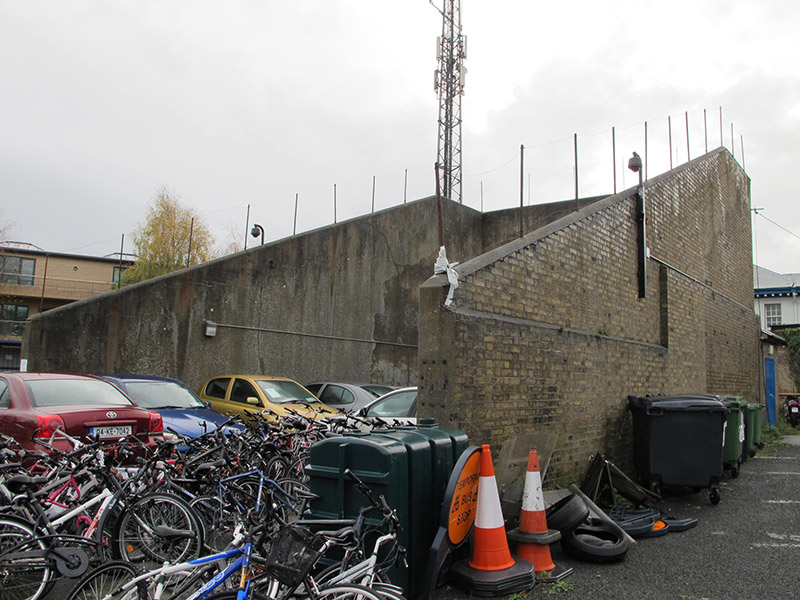 Clontarf Garda Síochána Stationhandball alley · 41 yd
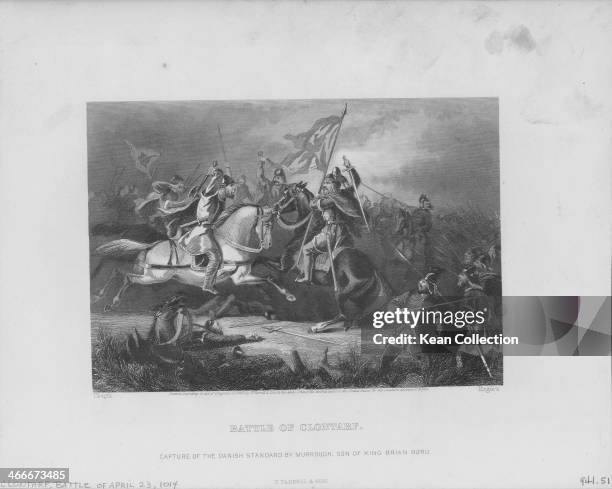 Battle of ClontarfVisitor information · 102 yd
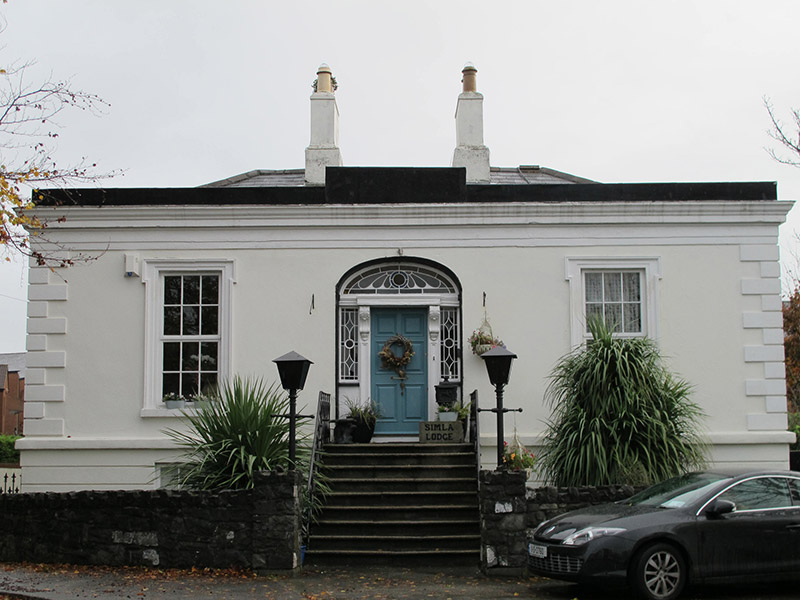 Simla Lodgehouse · 132 yd
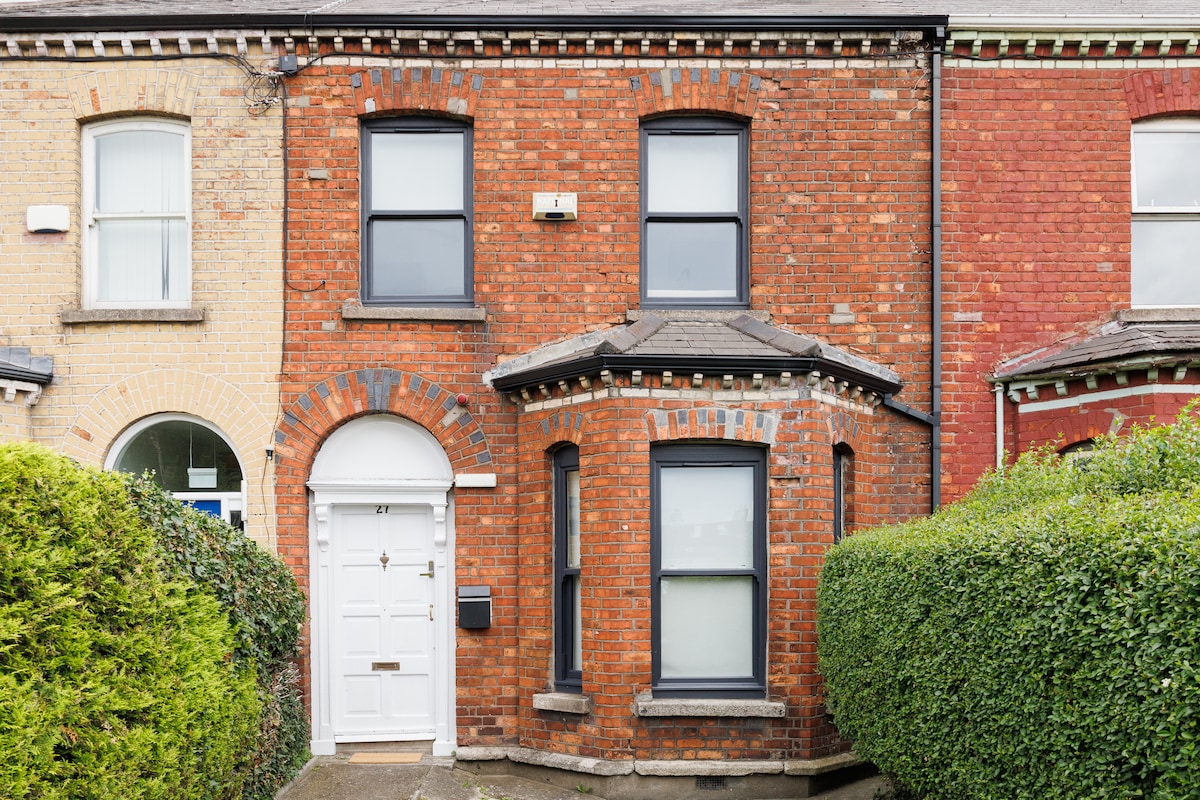 StudioGallery · 242 yd
 Burial in Unknown TownlandBurial · 590 yd
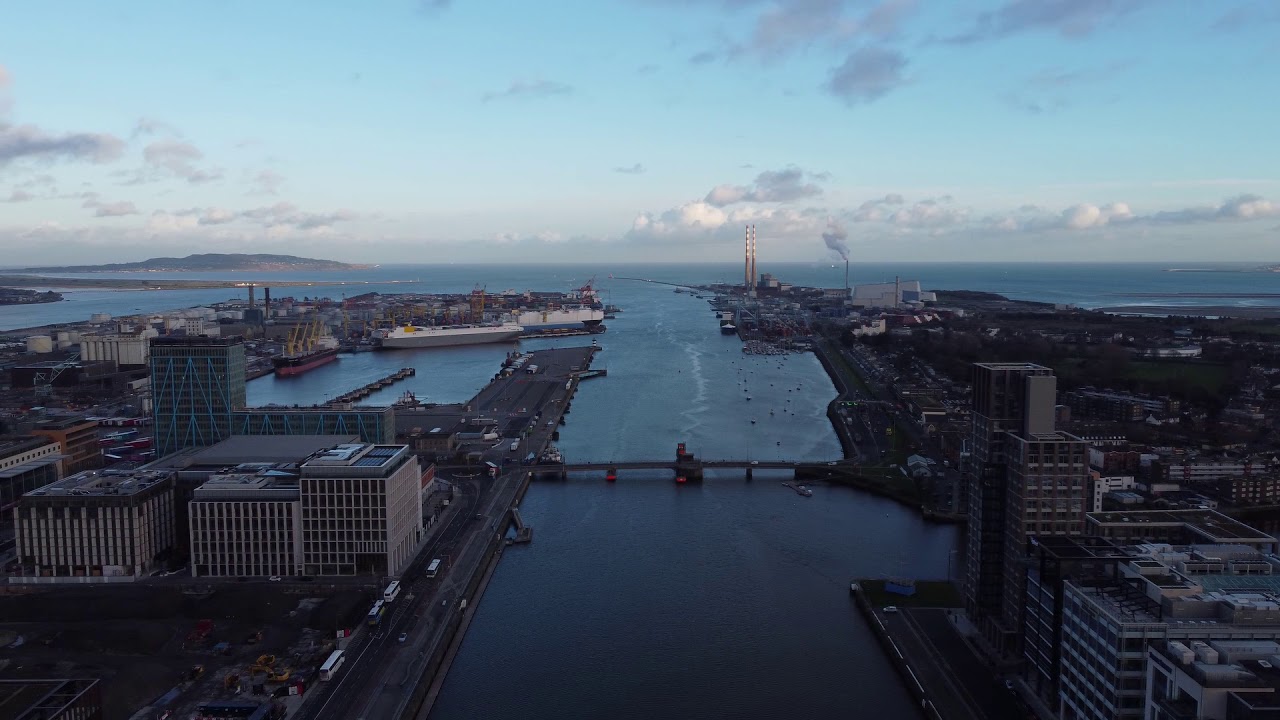 East PointMonument · 764 yd
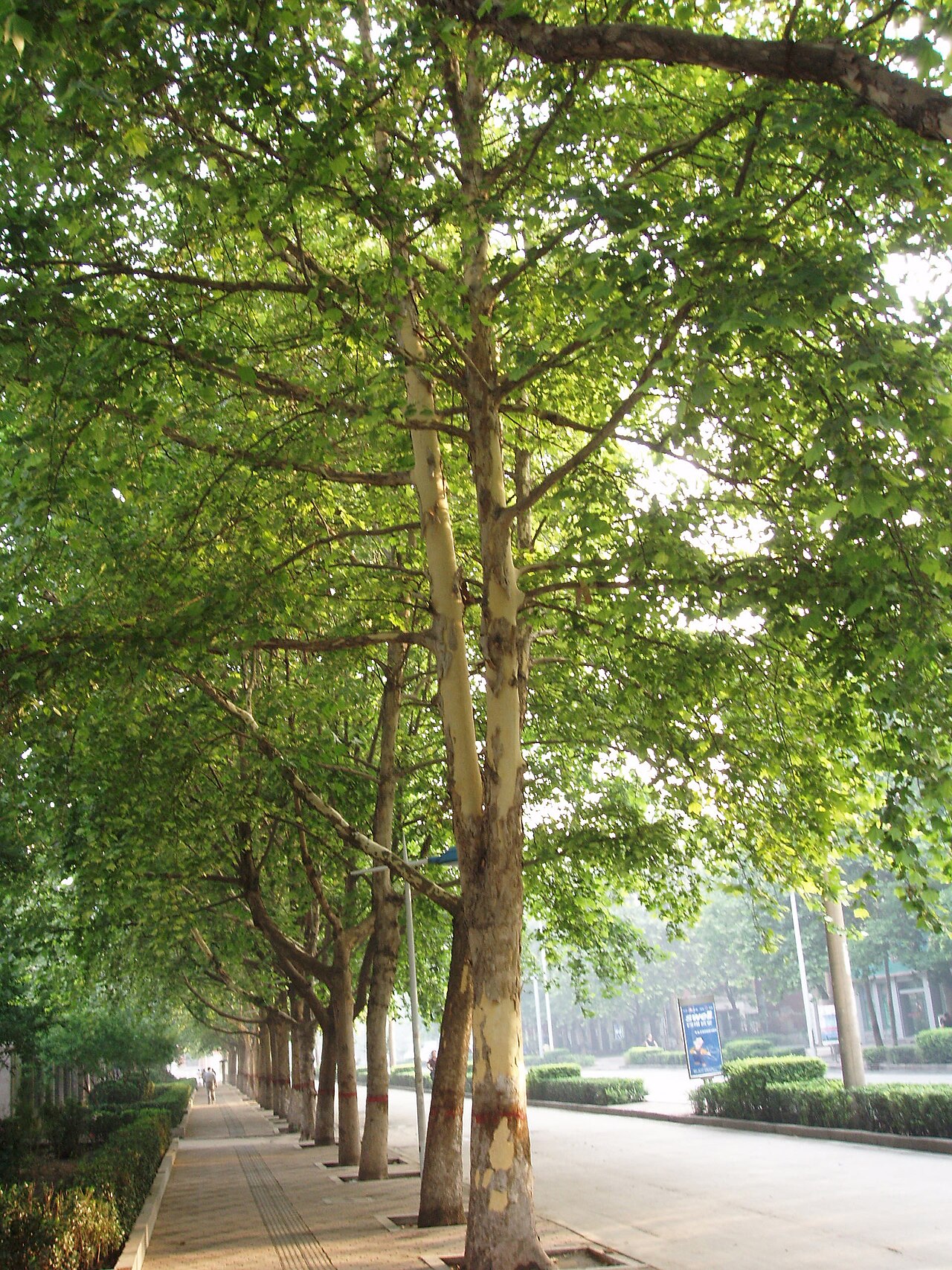 London PlaneLondon Plane · 899 yd
 East Point Business ParkVisitor information · 954 yd
 Casino at MarinoHeritage attraction · 1080 yd
 Seán Russell Memorial StatueMemorial · 1257 yd
 Clontarf War MemorialMemorial · 1298 yd
 W18539Wreck · 1.1 mi
Other information
Photo: National Inventory of Architectural Heritage · Website use allowed for educational or private purposes with source credit