What is recorded here
Cloghnahelity is a rounded limestone boulder in County Cork with a deep hollow where pilgrims rubbed their heads three times to cure headaches. Local tradition claims a milk-white hind once fed abbey builders at the stone until a curious workman hid to watch her, prompting her to kick a hole through the rock and vanish forever. The story turns a medical ritual into a warning about greed, suggesting the animal withdrew her gift the moment human curiosity replaced trust.
In pasture, in a field named 'Fair Green' and named ‘Cloghnahelity’ on the1842 OS 6-inch map, c. 45m outside the SW bank of the early ecclesiastical enclosure (CO006-006011-) at Tullylease. Low rounded limestone boulder (2.2m E-W; 1.9m N-S), with deep natural hollow (diam. 0.52m; max. D 0.54m) towards the SE corner. According to Grove White (1905-25, vol. 4, 263), a 'rude stone...known as Cloc na Eild, i.e. "the hind's stone"' was one station in the rounds paid also to 'St Ben's well' (CO006-006002-), 'Our Lady's well' (CO006-006004-) and a cross-slab stone (CO006-006007-) on the feast of St Berechert (February 18th). Another account by Mananaan Mac Lir (1895, 419) describes how pilgrims 'then stooping the body, rub their heads around the bowl. This rubbing is done three times, and each time as usual, under the invocation of the Holy Trinity.' According to Lynch (1911, 67), it was principally visited for the cure of headache; sometimes called 'Cloc Fiadh, the hind's stone...It is said that St Benjamin baptised his pagan neighbours at this stone. Tradition states that during the building of the 'abbey' a milk-white hind used to visit this stone before sunrise and deposit herein enough milk for the builders during the day. Through curiosity one of the workmen hid himself in the vicinity so as to observe the hind and when seen, the animal kicked a hole in the stone through which the milk flowed and was not again visited by it.'
The above description is derived from the published 'Archaeological Inventory of County Cork. Volume 4: North Cork' (Dublin: Stationery Office, 2000). In certain instances the entries have been revised and updated in the light of recent research.
See also: https://holywellscorkandkerry.com/2016/06/27/a-trio-of-wells-in-tullylease/
Date of upload: 14 January 2009
Probably dating to the early Christian period, this low limestone boulder may have had a ritual or commemorative function, possibly associated with the nearby ecclesiastical enclosure. No specific folklore or detailed use is recorded.
The monument record does not grant public access. Check the route and ask the landowner before entering private land.
- What survives
- Recorded monument
Places near here
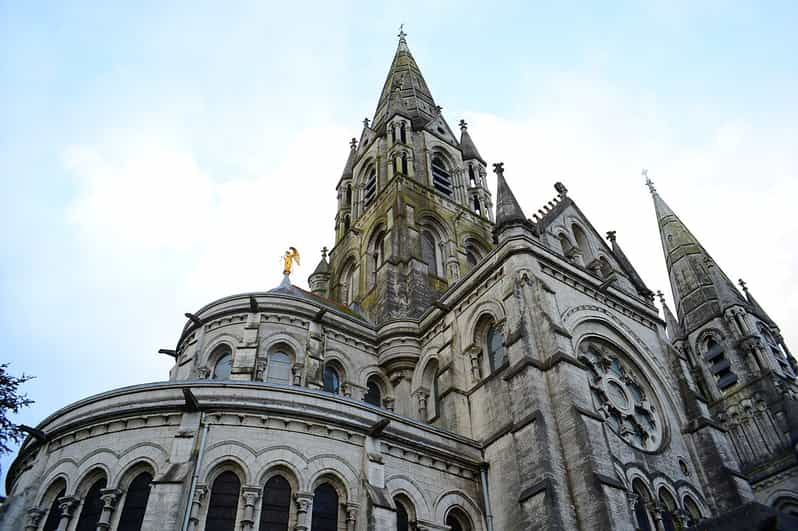 St Benjamins WellHoly well · 152 yd
 Tullylease Church (in ruins)Church · 160 yd
 IndicatedEcclesiastical enclosure · 204 yd
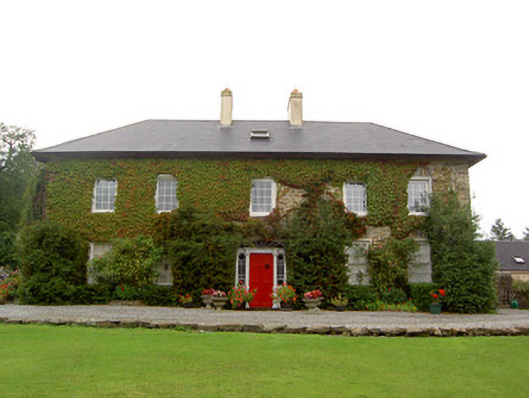 Tullylease Housecountry house · 1183 yd
 National Co-op MuseumMuseum · 2.2 mi
 Castle (in ruins), Springfield CastleCastle, tower house · 2.6 mi
 Castle LisheenCastle · 2.7 mi
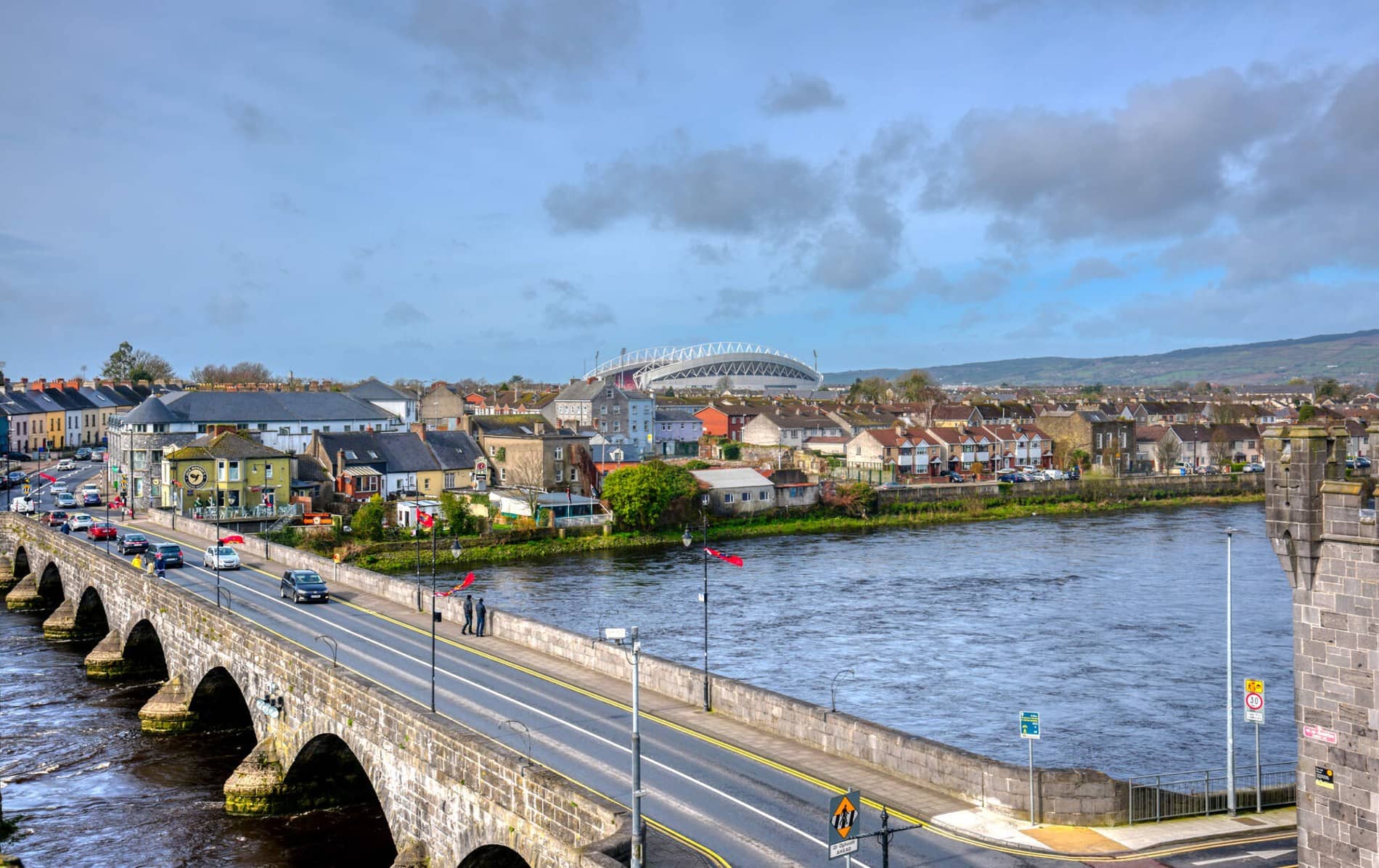 ToberacappeenSpring · 3.4 mi
 ToberhoranSpring · 4.6 mi
 Mullaghareirk - Banane LoopWalking route · 4.6 mi
 Ballagh MountainMountain / peak · 6.7 mi
 KnockacummerMountain / peak · 7.2 mi