What is recorded here
One cist in Tuam kept its shape while the others broke open. A red sandstone block, barely two feet long, closed the chamber like a palm pressing shut a wound. Wakeman saw disturbed marks on the stone and guessed Ogamic writing, but the glyphs never answered back. The chamber still holds its small darkness, waiting for someone patient enough to listen before touching.
Found within Tuam cairn. Wakeman (1879, 183-200) recorded that the cairn contained 'soil dug and stone covered kists' in which were found 'deposits of wood charcoal, containing minute fragments of bone, apparently human'. Only one of the cists remained intact. This 'was covered very closely by a red sandstone block 1 ft. 8ins long by 1 ft. wide, by 5.5 inches thick,' upon which Wakeman noted much-disturbed inscribed markings which he interpreted as presenting 'a very Ogamic appearance'. (Lowry-Corry and Richardson 1937, 161-2)
The above description is derived from the published 'Archaeological Inventory of County Cavan' (Dublin: Stationery Office, 1995). In certain instances the entries have been revised and updated in the light of recent research.
Date of upload/revision: 22 December 2008
Cist in Tuam is a small stone burial chamber, likely dating to the Neolithic or Early Bronze Age, and is associated with a cairn, indicating a funerary context. Its significance lies in the human bone fragments and wood charcoal found within, suggesting ritual deposition and providing evidence of early burial practices in the region.
The monument record does not grant public access. Check the route and ask the landowner before entering private land.
- What survives
- Recorded monument
Places near here
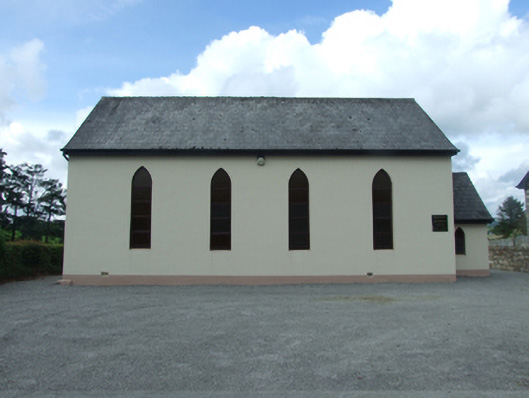 Blacklion Methodist Churchchurch/chapel · 214 yd
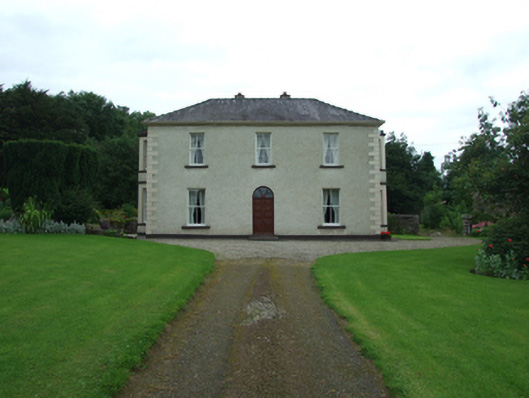 Tuam Househouse · 436 yd
 Enclosure in Ture (tullyhaw By.)Enclosure · 971 yd
 FORTIFICATION in Belcoo WestFORTIFICATION · 1020 yd
 Teampull RuisínHeritage attraction · 1720 yd
 Saint Patrick's Holy WellSpring · 1.0 mi
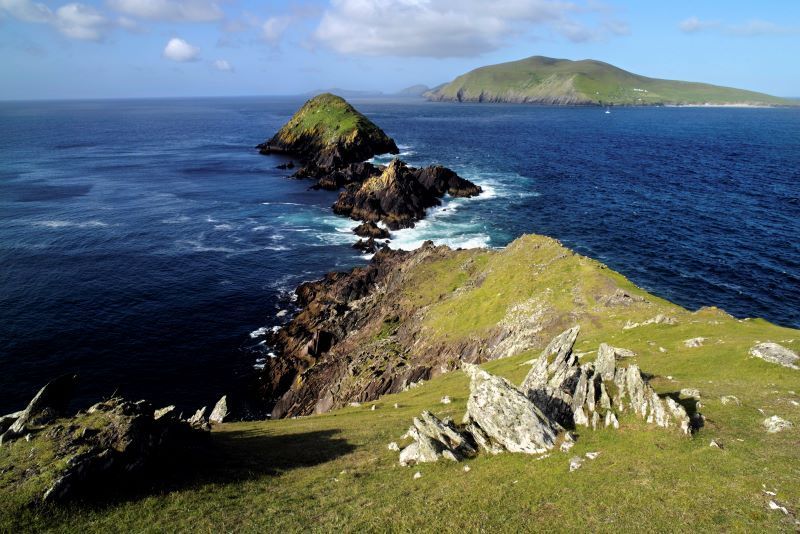 Kilrooscagh IslandIslet · 1.2 mi
 Corry PointHeadland · 1.3 mi
 CullentraghMountain / peak · 1.4 mi
 AughrimMountain / peak · 1.4 mi
 Legnaveagh SinkholeCave · 1.6 mi
 InisheeIsland · 1.6 mi