What is recorded here
No visible trace remains, but under the modern soil a small polygonal chamber still holds the inverted urn and cremated bones of at least one adult from more than four thousand years ago. In 1946, ordinary tillage in Ballyvool broke the concealment and revealed the double row of shale slabs leaning inward above a single paved floor. The chamber is tiny, barely large enough for a person to crouch over the dead, yet its stones were set with enough care to preserve the shape of the last container used for that life.
In a tillage field. Discovered in 1946 during tillage operations. A polygonal cist (L 0.59m at the longest side; Wth 0.51m; int. D 0.46m) comprising a double row of shale slabs set on edge and inclining inwards towards the top (Wth beneath the capstone 0.25m) and flanked externally at the base by a series of smaller packing-stones (H c. 0.16m). The cist was paved with a single polygonal slab (Wth 0.5m; L 0.58m; T 0.08m) resting on firm yellow clay. The capstone (at ground level) (L 0.91m; Wth 0.79m; T 0.26m) did not rest directly on the side-stones but on a number of smaller stones placed on the side-stones. The grave contained a centrally placed collared urn that had been inverted over a deposit of cremated bone. The human remains represented at least one adult. Radiocarbon dating on the cremation yielded a calibrated date of 2132-1889 BC. (Cahill and Sikora 2011, vol. 2, 244-6)
Compiled by: Mary Tunney
Date of upload: 13 February 2013
A small Neolithic cist tomb, dating to the early first millennium BCE. Its construction reflects early burial practices in the region, though its wider significance is limited due to lack of contextual and provenanced details.
The monument record does not grant public access. Check the route and ask the landowner before entering private land.
- What survives
- Recorded monument
Places near here
 Enclosure in BallyvoolEnclosure · 305 yd
 Church in FirgroveChurch · 406 yd
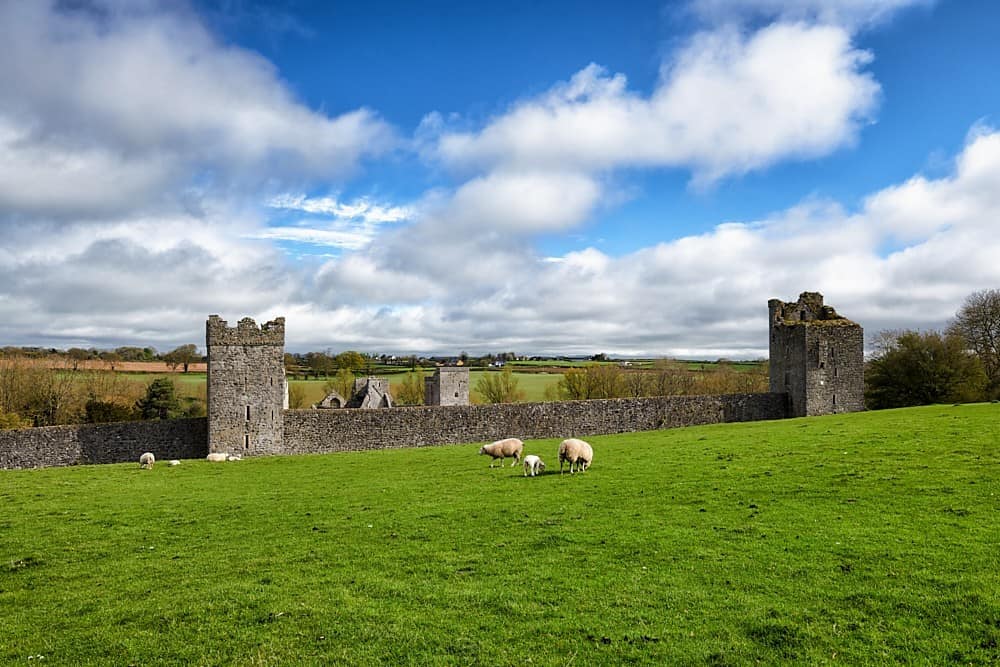 RaheraneillFairy fort / earthen ringfort · 851 yd
 Ballycorcoran Bridgebridge · 902 yd
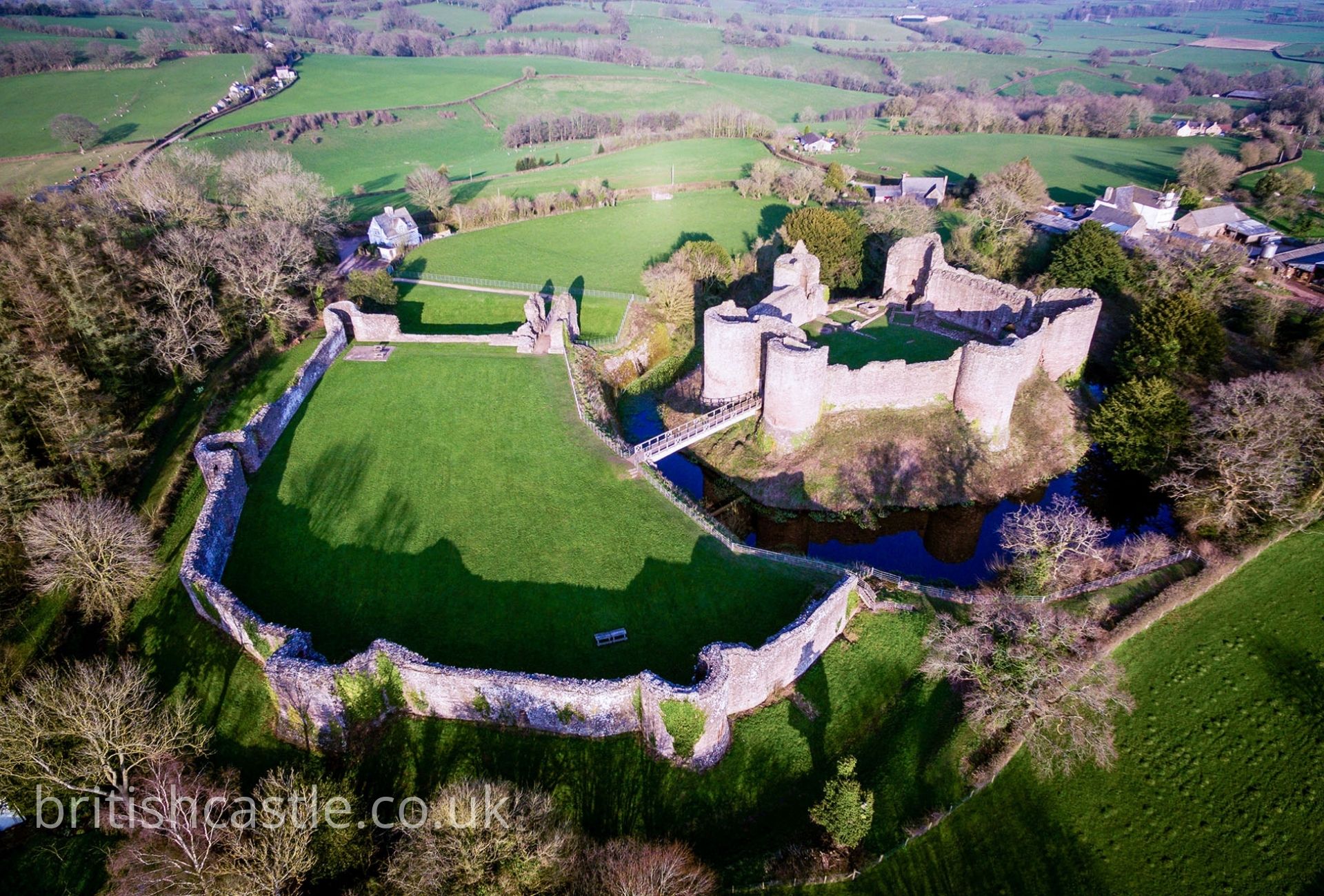 White Castle (Site of)Castle, unclassified · 1.5 mi
 Mount AltoMountain / peak · 1.5 mi
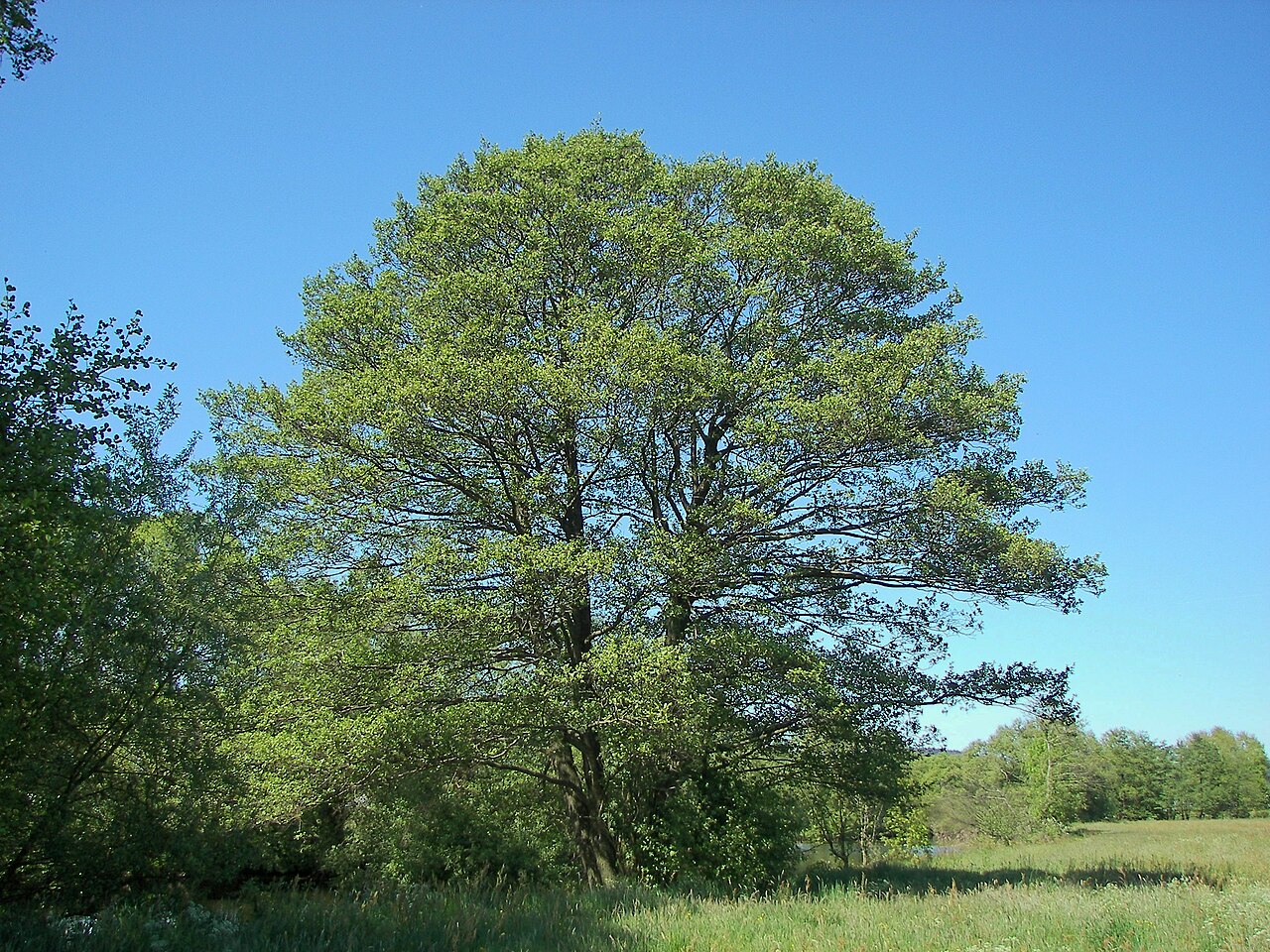 Common AlderCommon Alder · 1.9 mi
 Woodstock forestWood · 2.0 mi
 Woodstock Gardens and ArboretumHeritage attraction · 2.3 mi
 Castle, Ballyduff HouseCastle, tower house · 2.5 mi
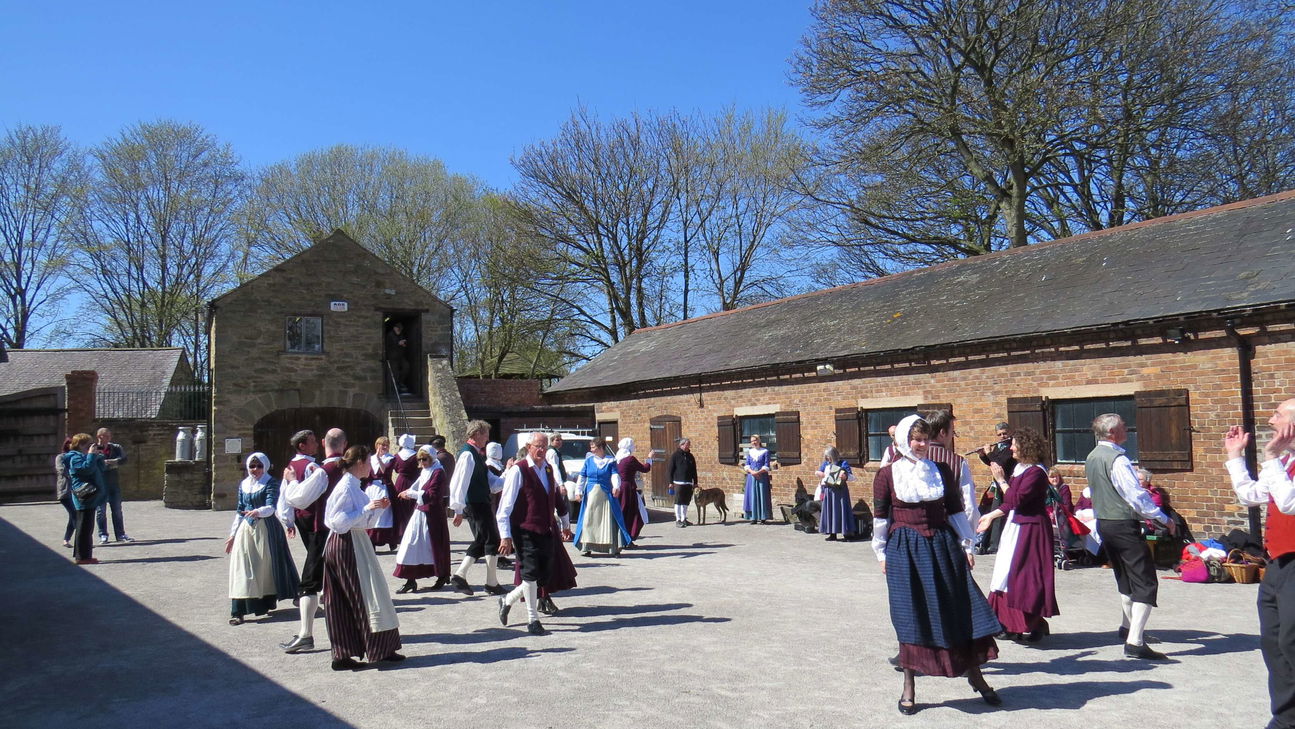 Woodstock Heritage MuseumMuseum · 2.7 mi
 St Colmcille's WellVisitor information · 2.8 mi